 Aug 14, 2025
 Comments
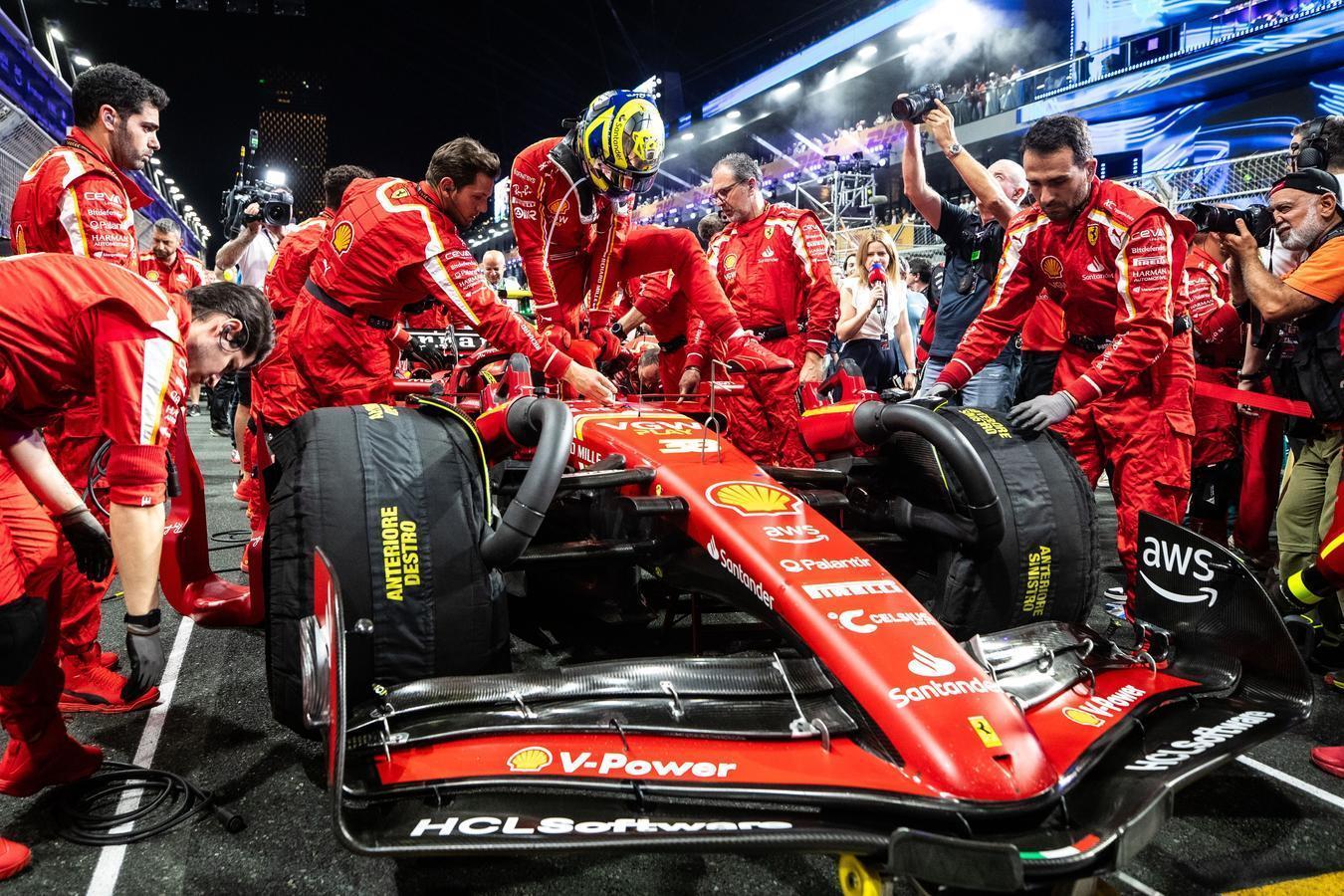
A Formula One roar in Jeddah, a YouTube influencer filming in AlUla, a global pop star under the Riyadh lights—Saudi Arabia has made no secret of its intent to shape global perceptions. From recruiting star athletes to hosting world-class sporting events, Saudi Arabia has tapped the soft power toolkit with growing confidence. The results are visible: international media sentiment has shifted—though not always favourably—and Saudi Arabia is firmly on the global radar beyond oil and geopolitics. I began reflecting on this after noticing how recent events and international collaborations were not only shaping headlines abroad, but subtly influencing everyday conversations at home.
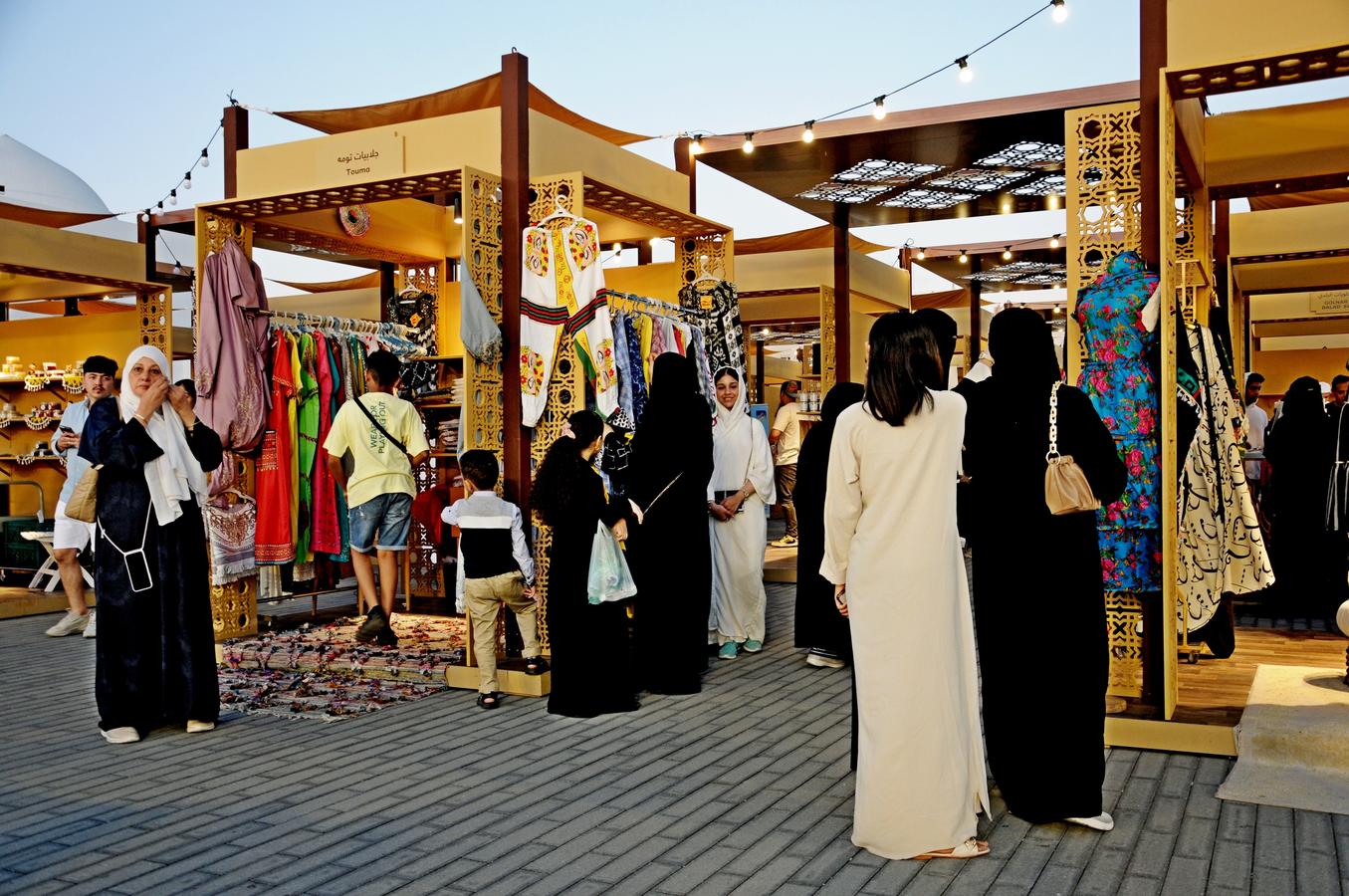
Yet while headlines and celebrity appearances dominate foreign coverage, a quieter transformation is unfolding within Saudi society. The influx of global events, visitors, and cultural collaborations is reshaping more than the country’s image. It is influencing how Saudis, especially the younger generation, see themselves and their place in the world. In the past, restrictions curtailed creative, professional, and personal expression, leaving many feeling sidelined from global culture.
Now, closer exposure to new ideas, industries, and people is fuelling personal development, curiosity, and cultural exchange. A young chef in Jeddah might refine her recipes after meeting international restaurateurs; a filmmaker in Riyadh could turn a casual festival conversation into a funded documentary project. These are not tales of imitation, but of layering—building on what exists while integrating what resonates.
Saudi Arabia has long been open to the outside world through travel, social media, and foreign media. The difference today lies in the depth of direct engagement. Workshops, festivals, and creative spaces are no longer borrowed templates; they are becoming arenas where Saudis define their own voice. The result is a generation fluent in global conversations yet rooted in local traditions—an identity neither diluted nor defensive.
These exchanges matter. They challenge assumptions, expand perspectives, and position Saudis not as spectators but as contributors to global culture. Big events may set the stage, but the more profound change comes when a society chooses what fits, adapts it with confidence, and uses it to tell its own story. That, in the end, may prove Saudi Arabia’s most enduring success.






 Oct 18, 2026
0 Comments
No comments yet. Be the first to comment!