 May 11, 2026
 Comments
Saudi Arabia’s transformation is often discussed in terms of economics: diversification, investment, tourism and non-oil growth. But beneath the financial language lies something more profound — a renegotiation of the relationship between the Saudi state and Saudi society.
That is what makes the discussion around Realizing Saudi Vision 2030: Governance, Institutions and Human Capital Development particularly interesting. The book moves beyond the usual headlines surrounding Vision 2030 to examine the institutional and social changes unfolding underneath: the restructuring of government entities, the creation of new institutions and the growing emphasis on human capital development.
Vision 2030 is not simply attempting to change what the Saudi economy produces; it is attempting to change how Saudis live, work and imagine their future. The kingdom’s reform agenda requires new institutions, new labour-market expectations and, perhaps most importantly, a new social contract.
For decades, the Saudi economic model rested on a relatively stable formula: oil revenues financed generous public employment, subsidies and state-led development. Today, policymakers recognise that such a model is increasingly difficult to sustain in a more competitive global economy and a younger, rapidly growing society.
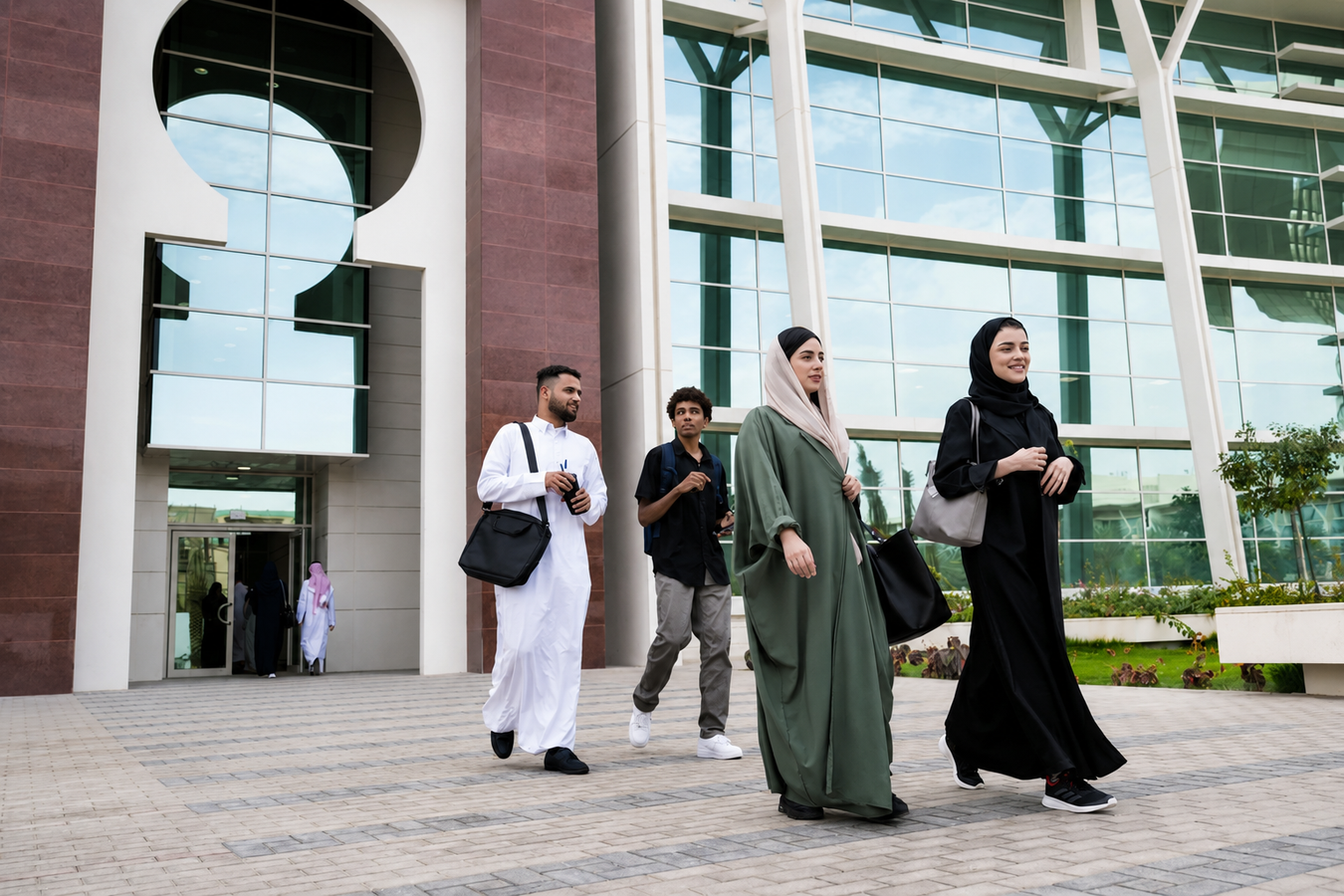
The challenge is therefore not only economic but social. Saudi Arabia must encourage private-sector participation among citizens long accustomed to the security and prestige associated with public-sector employment. Universities are under pressure to produce graduates suited to evolving market demands rather than administrative careers. Families, meanwhile, are adapting to changing expectations surrounding work, mobility and gender roles.
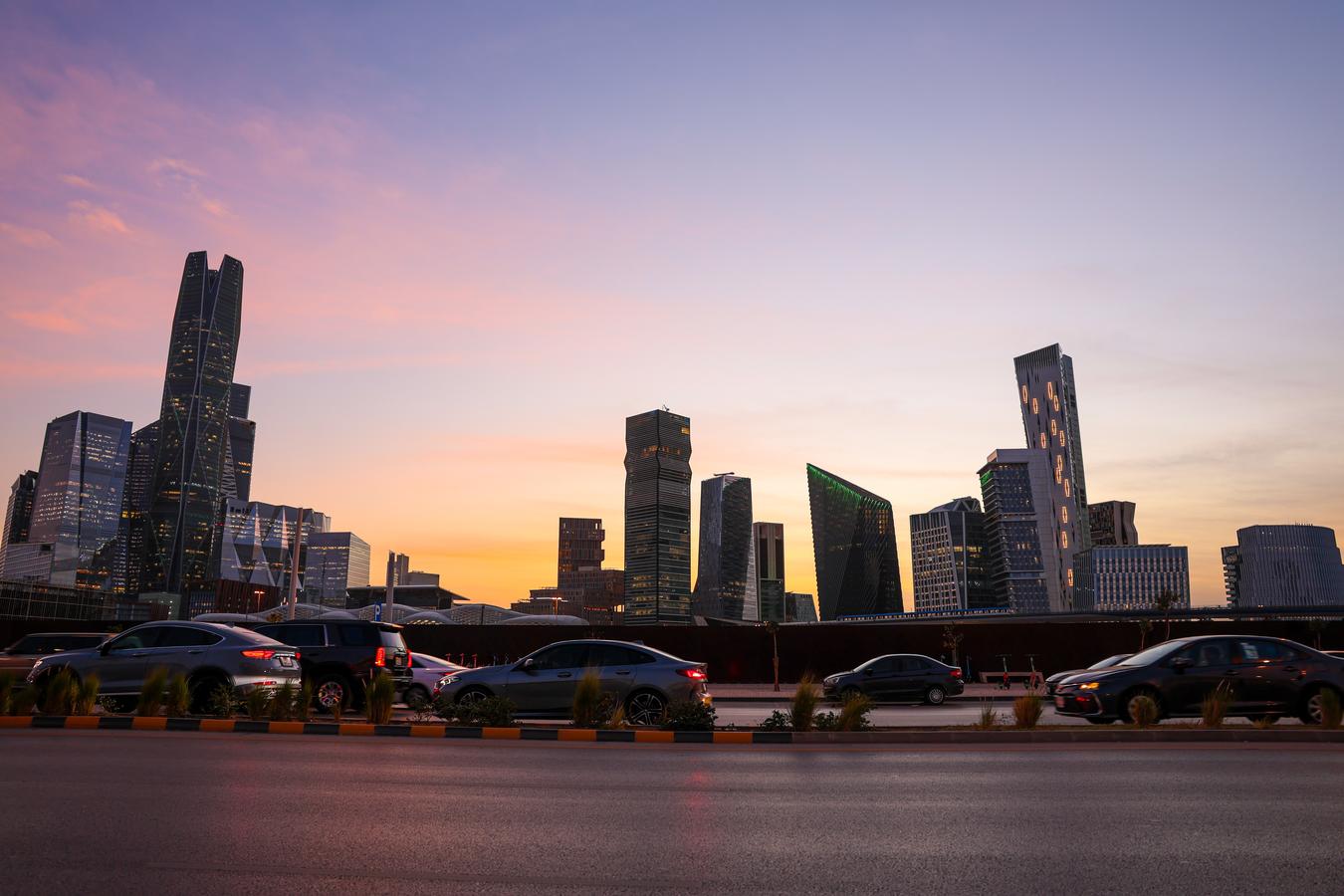
This helps explain why human capital has become central to the Vision 2030 conversation. Policymakers increasingly understand that infrastructure alone cannot modernise an economy. Airports, financial districts and megaprojects matter far less without a workforce capable of sustaining them.
What is unfolding in Saudi Arabia is therefore not merely institutional reform, but social adaptation at scale.









 Oct 18, 2026

0 Comments
No comments yet. Be the first to comment!