 Feb 26, 2026
 Comments
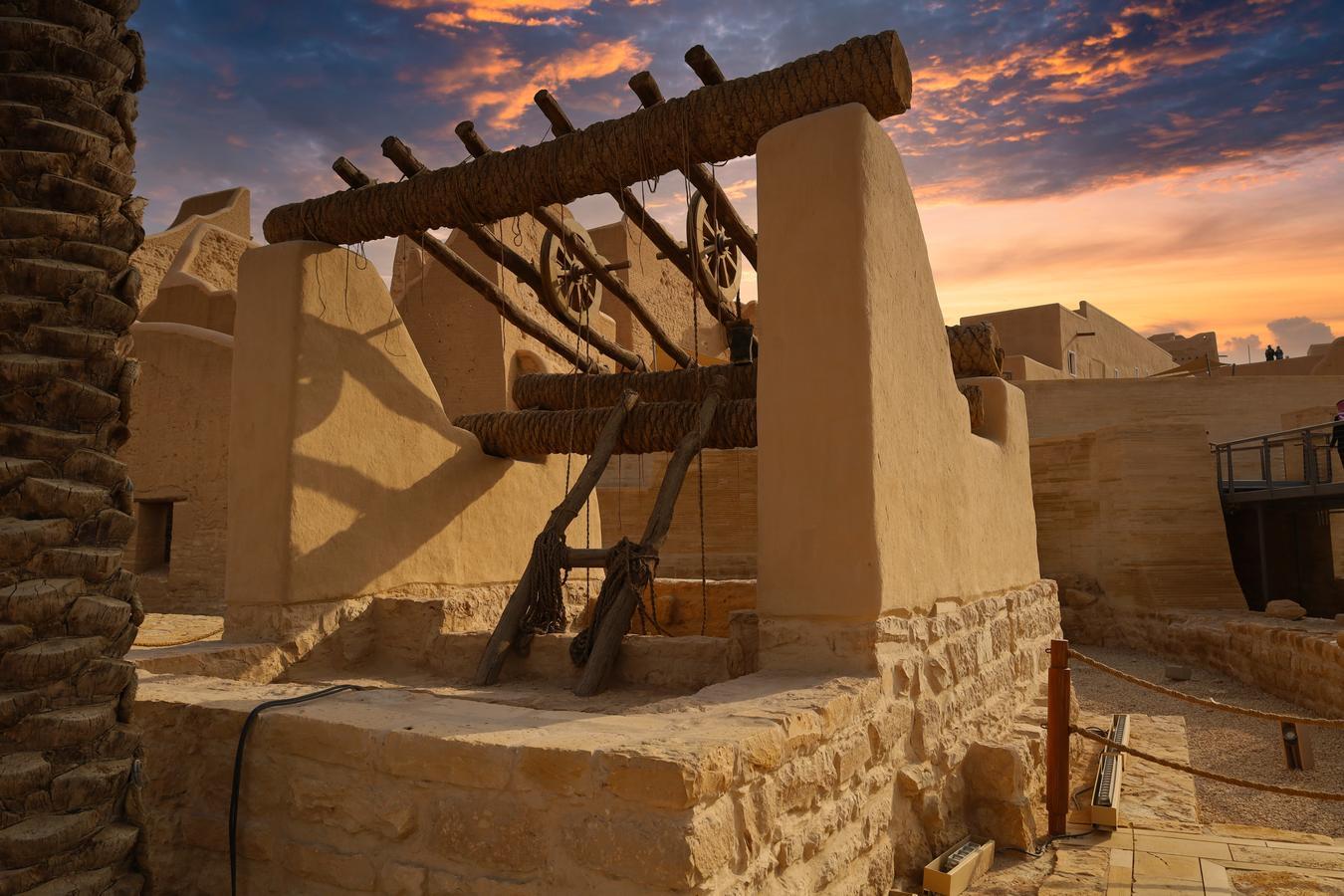
In Saudi Arabia, water has always been more than a resource. It was, and is, a matter of civilization. For centuries, life here was structured around the unpredictable generosity of rain, the depths of wells, and the miraculous consistency of a few ancient springs. In the absence of rivers, water meant mobility, survival, and power. Entire trade routes, pilgrimage paths, and settlements emerged and disappeared based on where water could be found, or brought to.
One of the oldest and most remarkable examples of this is Ain Zubaydah, a water channel commissioned over 1,200 years ago by Queen Zubaydah, the wife of Abbasid Caliph Harun al-Rashid. Stretching from the mountains near Taif to Mecca, the aqueduct served pilgrims performing the Hajj.
In an era when long-distance travel was a test of endurance and faith, Ain Zubaydah brought structure and safety to one of Islam’s holiest journeys. Its remnants still tell a story of foresight and communal care, echoing a Saudi legacy sometimes lost behind its modern skylines.
Even in the 20th century, fetching water - sometimes from kilometers away - was commonplace. Whether through camel caravans bearing clay jars or makeshift rooftop tanks catching seasonal rain, managing water was a daily calculation. In the Hijaz, especially Jeddah, water sellers would walk the alleys with tin buckets and wooden barrels. In the central Najd region, people relied heavily on wells - some shallow, others miraculously deep - dug and maintained by local families or small communities. Water was rationed, stored, reused, and respected.
Fast forward to today, and the relationship with water in the Kingdom could not be more different. Saudi Arabia has become the largest producer of desalinated water in the world, accounting for around 20% of global output. The country operates more than 30 desalination plants, with even more under construction, serving not only the expanding urban populations but also the ambitious megaprojects of the 21st century, NEOM, the Red Sea Project, and Diriyah Gate among them. The shift from ancient aqueducts to futuristic desalination corridors marks one of the most profound transformations in the Kingdom’s infrastructure story.
This transformation, however, did not happen overnight. Saudi Arabia began investing in desalination as early as the 1970s. Faced with a booming population, rapid industrialization, and limited freshwater reserves, the country had little choice but to innovate. Unlike many nations that rely on rivers, lakes, or glaciers, Saudi Arabia has had to “make” water - an idea that still seems counterintuitive to much of the world.
The Saline Water Conversion Corporation (SWCC), the state-owned body responsible for desalination, has become one of the most important pillars of the national economy. Through innovations in reverse osmosis and energy-efficient technologies, SWCC has reduced the cost of desalination and positioned Saudi Arabia as a global leader in water tech. More recently, partnerships with companies in Japan, South Korea, and Europe have further pushed the Kingdom into a leadership role, not just in producing water, but in shaping the future of water sustainability.
But these achievements raise a deeper question: Can the Kingdom balance innovation with conservation? The availability of desalinated water has changed people’s relationship with it. While previous generations thought carefully before letting a drop go to waste, today’s abundance risks encouraging excess. Groundwater, which still supplies parts of the agricultural sector, is being depleted at an alarming rate. Despite technological breakthroughs, sustainability remains a challenge, and a cultural one at that.
In recent years, campaigns have emerged across the country promoting water awareness. Billboards in Riyadh remind passersby to turn off taps. School programs teach children that water security is a form of national security. The Ministry of Environment, Water, and Agriculture has begun implementing tiered pricing systems and smart meters to manage demand. These efforts point to a new mindset; one that fuses ancestral respect for water with modern management tools.
This return to awareness is not just practical, it’s cultural. Saudi heritage, especially in rural areas, is full of proverbs and customs emphasizing water's value. One saying often repeated by elders goes: "Water is a guest - treat it well and don't let it leave angry." In a region where sandstorms could erase crops and seasons could pass without rain, the idea that water has its own personality was not metaphor, it was experience.
And so, water in Saudi Arabia is not just a tale of scarcity overcome. It is a mirror reflecting Saudi Arabia’s past, present, and future. From the carved stone basins of Ain Zubaydah to the gleaming turbines of the Jubail desalination plant, the Saudi water story is a story of continuity - of a nation that has never taken water for granted, even as it redefines what is possible.
As the world faces rising temperatures and shrinking water tables, Saudi Arabia’s water legacy may well become its most exportable idea. Not just in terms of tech, but in attitude - the fusion of reverence, efficiency, and adaptation that marks both its past and future.








 Oct 21, 2026
0 Comments
No comments yet. Be the first to comment!