 Feb 21, 2026
 Comments
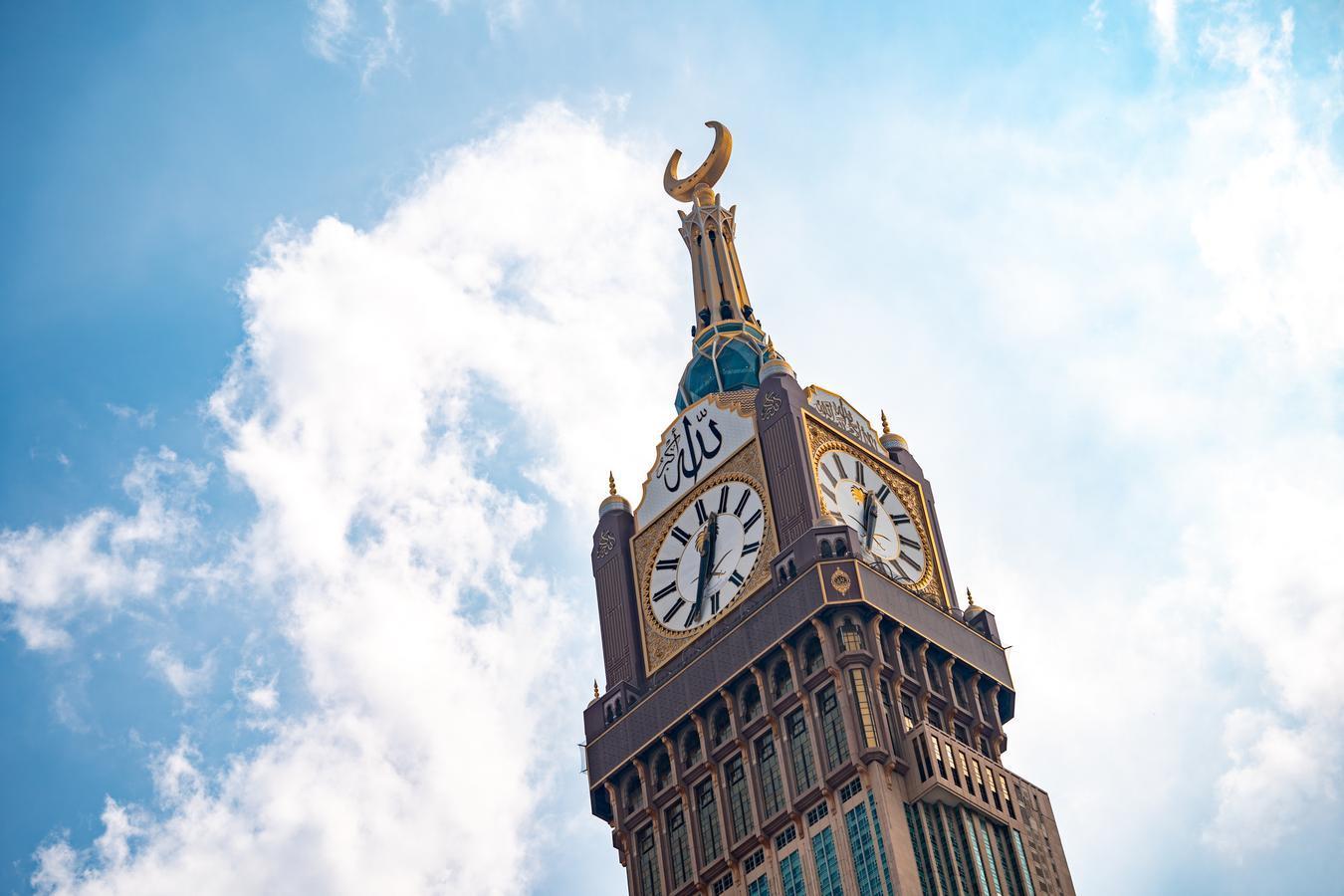
As the holy month of Ramadan bgan, it is the time of year when I am asked most often about the role of religion in Saudi Arabia and its impact on daily life—especially how people manage fasting and the additional prayers, such as Tarawih and Tahajjud, performed during the month to earn extra thawab. Some find these practices easier than others, and fasting in particular can be physically demanding, especially for students, travelers, or those balancing work and study. Visitors and journalists alike often frame the question around politics: does Islam dominate the state, shape policy, or restrict society? Implicit in these conversations is another assumption—that if religion plays a central role, it must be followed either blindly or under compulsion.
Yet such broad framing rarely captures lived experience. These acts of devotion during Ramadan are not performed merely as routine; they are voluntary expressions of faith, undertaken out of personal conviction. In many homes, prayer pauses a conversation—a father rising quietly from the sofa, children following—before returning to finish dinner or homework. In mosques, the nightly Tarawih prayers draw families and neighbors together, blending seamlessly with communal life and quietly structuring social rhythms across neighborhoods. As the Qur’an reminds, “Indeed, prayer prohibits immorality and wrongdoing” (Surah Al-Ankabut 29:45), showing that worship is intended to guide character and daily behavior, not politics.
For many Saudis, these practices are expressions of conviction that shape daily life, reinforce family bonds, and provide a shared moral vocabulary. Expressions such as Insallah and Allhamdulillah are often translated simply as “God willing” or “praise be to God.” In conversation, however, they function as social softeners, conveying hope, patience, or gratitude rather than ideological emphasis. They are embedded in lived experience rather than performed as spectacle.
Within Saudi society, religion is therefore not typically experienced through the lens of politics or obligation. Instead it functions as a foundation, shaping language, expectations of conduct, and notions of responsibility. Recent reforms have reshaped public institutions, opened cultural and social spaces, and expanded educational and professional opportunities, yet religion remains deeply interwoven with social life. What has evolved is not the presence of faith but the lens through which it is viewed—more institutional, modernized, and increasingly associated with national stability and development, rather than a transnational ideological movement.
Understanding everyday faith in Saudi Arabia requires attention to nuance. Religion informs social etiquette, daily routines, and community norms far more than it dictates policy. It is experienced through family life—breaking fast together—and through public rituals, even as modern life sometimes makes full observance challenging. For outsiders, this lived experience often contradicts perceptions shaped by headlines and geopolitics—but it is precisely this rhythm, balancing devotion and daily life, that sustains Saudi social cohesion and identity today.






 Oct 21, 2026
0 Comments
No comments yet. Be the first to comment!