 May 14, 2026
 Comments
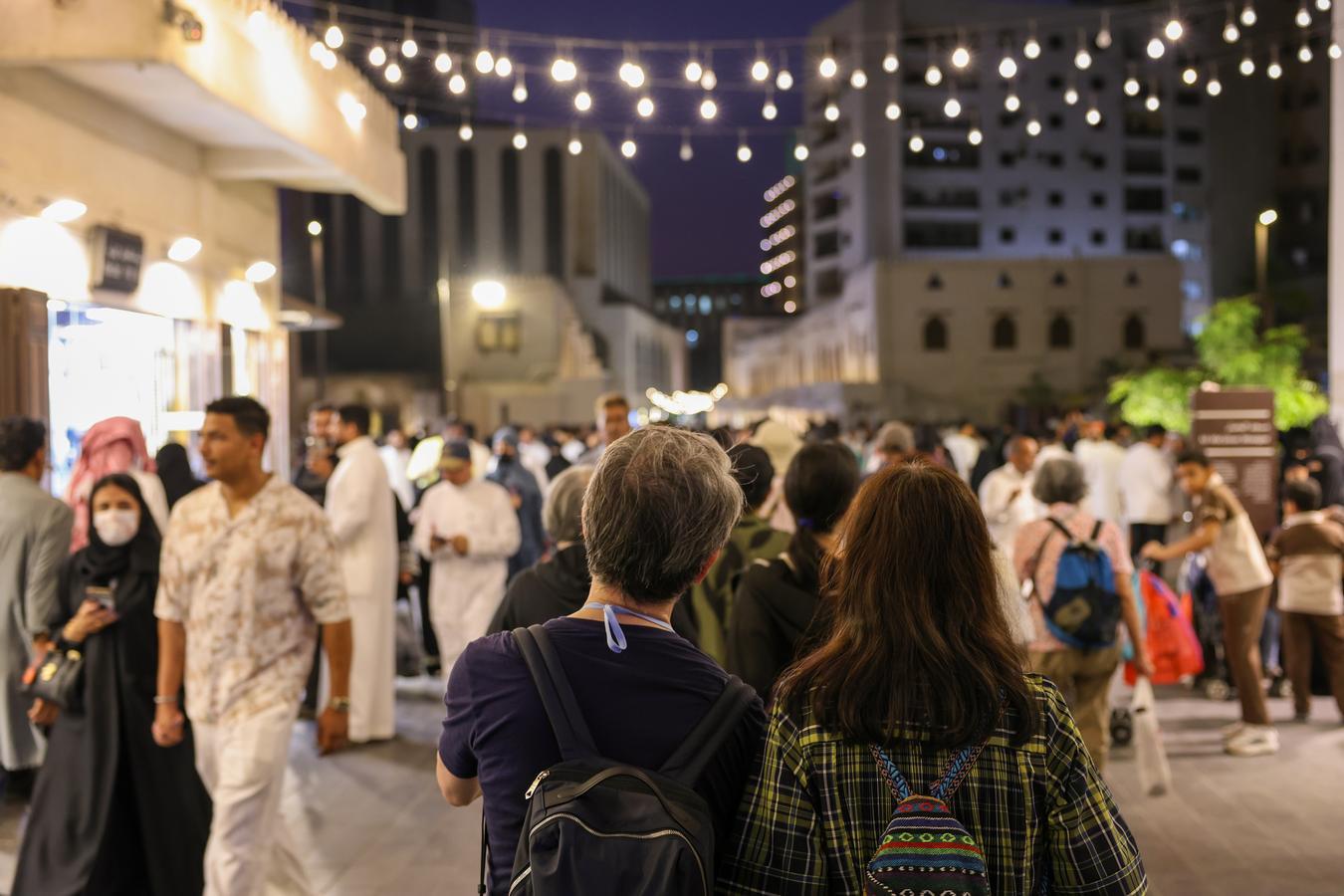
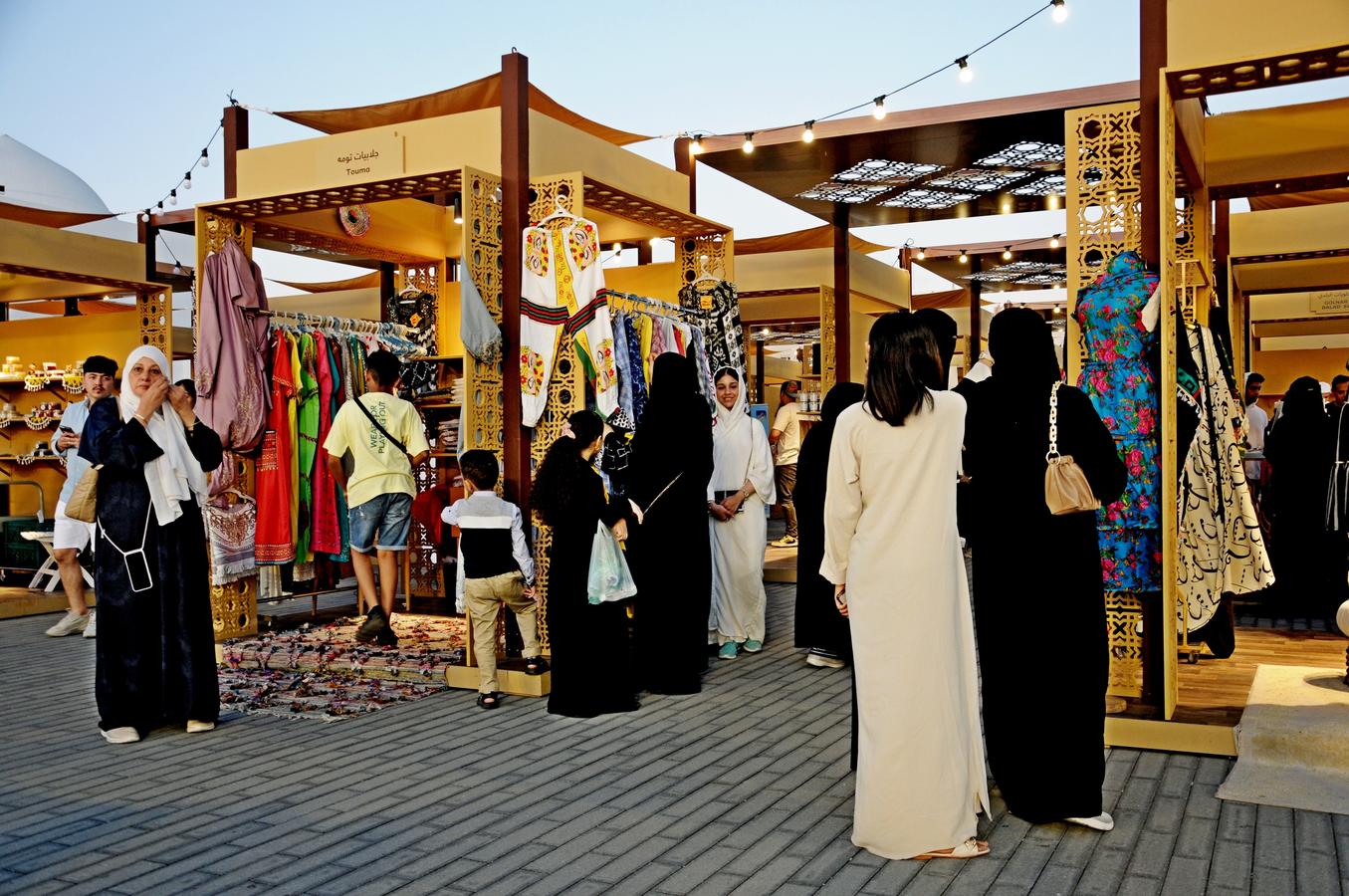
Headlines about Saudi Arabia are often framed through sharp contrasts: reform or repression, openness or conservatism, modernity or tradition. Daily life, however, is far more layered. Social change tends to unfold gradually, unevenly, and differently across families, regions, and social groups. In some spaces, daily life may feel highly globalised and fast-moving, while in others long-established customs and expectations remain firmly intact. These realities coexist rather than replace one another.
International coverage often focuses on visible turning points — major announcements, new projects, or symbolic reforms. Within Saudi society, however, change is more commonly experienced through small adjustments in everyday life: shifts in work culture, education, family expectations, public spaces, and social interaction. Over time, these gradual adaptations shape society in ways that are often less visible from outside the country.
Which Everyday Realities Remain Invisible to Outsiders?
Many aspects of Saudi social life remain difficult to capture through external reporting because much of daily life continues to revolve around private spaces and family networks rather than public visibility. Family gatherings, informal social obligations, and home-centred social life remain central to how many Saudis experience community and belonging.
Privacy also plays an important cultural role. Public restraint is often misunderstood abroad as silence or social limitation, when in many cases it reflects cultural preferences around discretion, dignity, and maintaining social harmony. The distinction between what is shared publicly and what remains private continues to shape behaviour both offline and online.
In addition, periods of rapid social and economic change are experienced not only as opportunities, but also as pressures. Many people are balancing changing expectations around work, identity, family roles, and social mobility while trying to preserve continuity with established cultural norms.
What are the Key Differences Between Life in Riyadh and Jeddah?
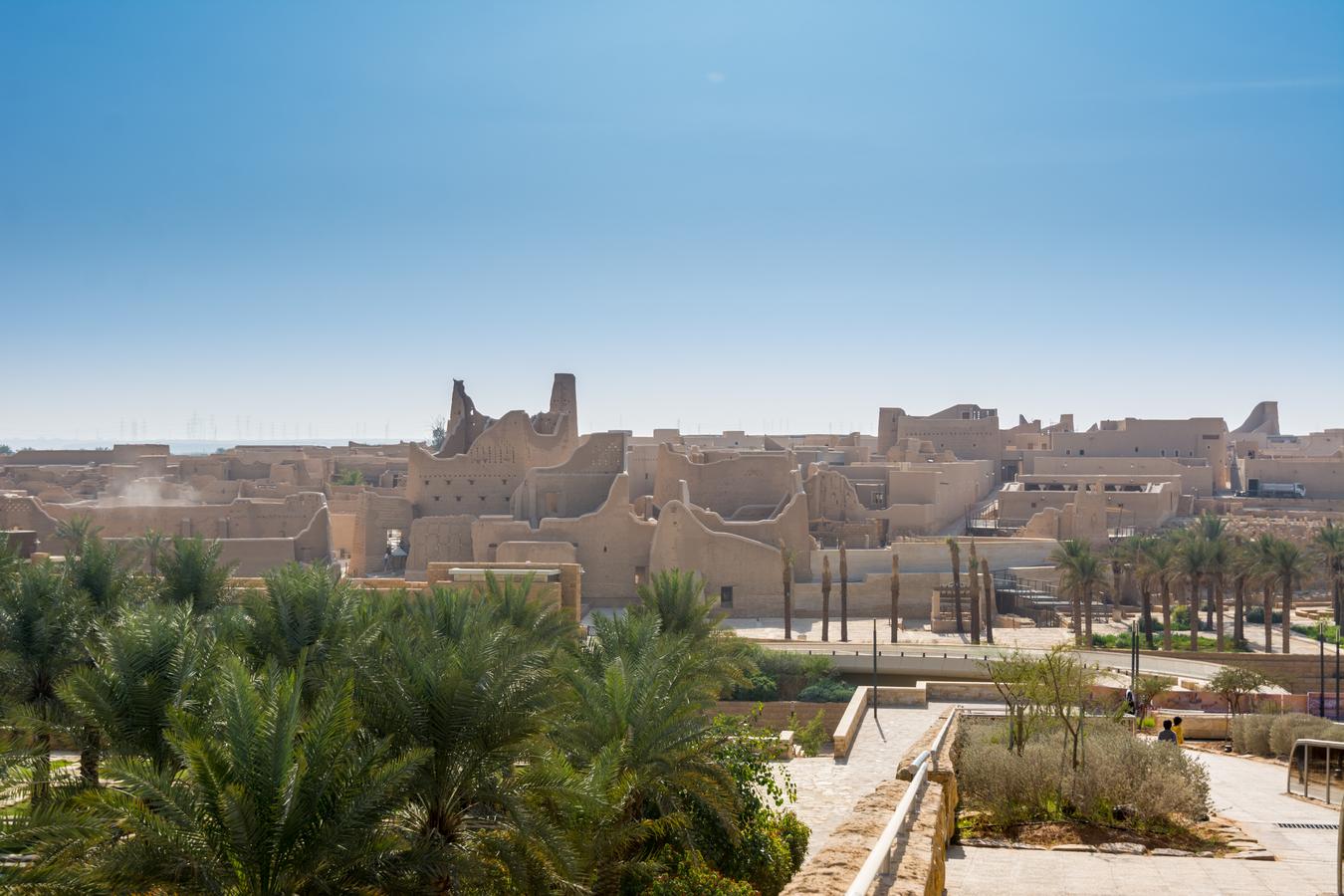
Riyadh and Jeddah reflect two distinct social rhythms within Saudi Arabia. Riyadh, as the political and economic centre, often feels more structured, ambitious, and professionally driven. The pace of life is faster, and much of the city’s culture is shaped by government institutions, corporate environments, and economic transformation.
Jeddah, by contrast, has historically developed as a coastal trading city connected to pilgrimage routes and international exchange. Many residents describe it as more socially relaxed and informal in tone. Public life tends to feel more fluid, and social interaction often extends more naturally into cafés, waterfront spaces, and cultural gatherings.
These differences are not absolute, and both cities contain significant diversity across generations and social groups. Still, the contrast remains meaningful to many Saudis and continues to shape how residents experience daily life in each city.
What Changes are Experienced Mainly by Elites and Expatriates?
Some of the most internationally visible changes in Saudi Arabia are concentrated within elite and expatriate environments. Luxury developments, high-end entertainment, international dining culture, and highly globalised social spaces are often more accessible to wealthier segments of society and foreign professionals.
For much of the broader population, change is experienced less through lifestyle branding and more through practical shifts in employment, education, housing, transportation, and public services. These everyday transformations may appear less dramatic from the outside, yet they often have a deeper effect on how people organise their lives and imagine their future.
This difference in exposure helps explain why outside perceptions of Saudi Arabia can sometimes feel disconnected from domestic realities. Transformations that receive significant international attention may feel limited or gradual to many residents, while quieter social changes — less visible internationally — continue to reshape daily life across the country.






 Oct 21, 2026
0 Comments
No comments yet. Be the first to comment!