 May 14, 2026
 Comments
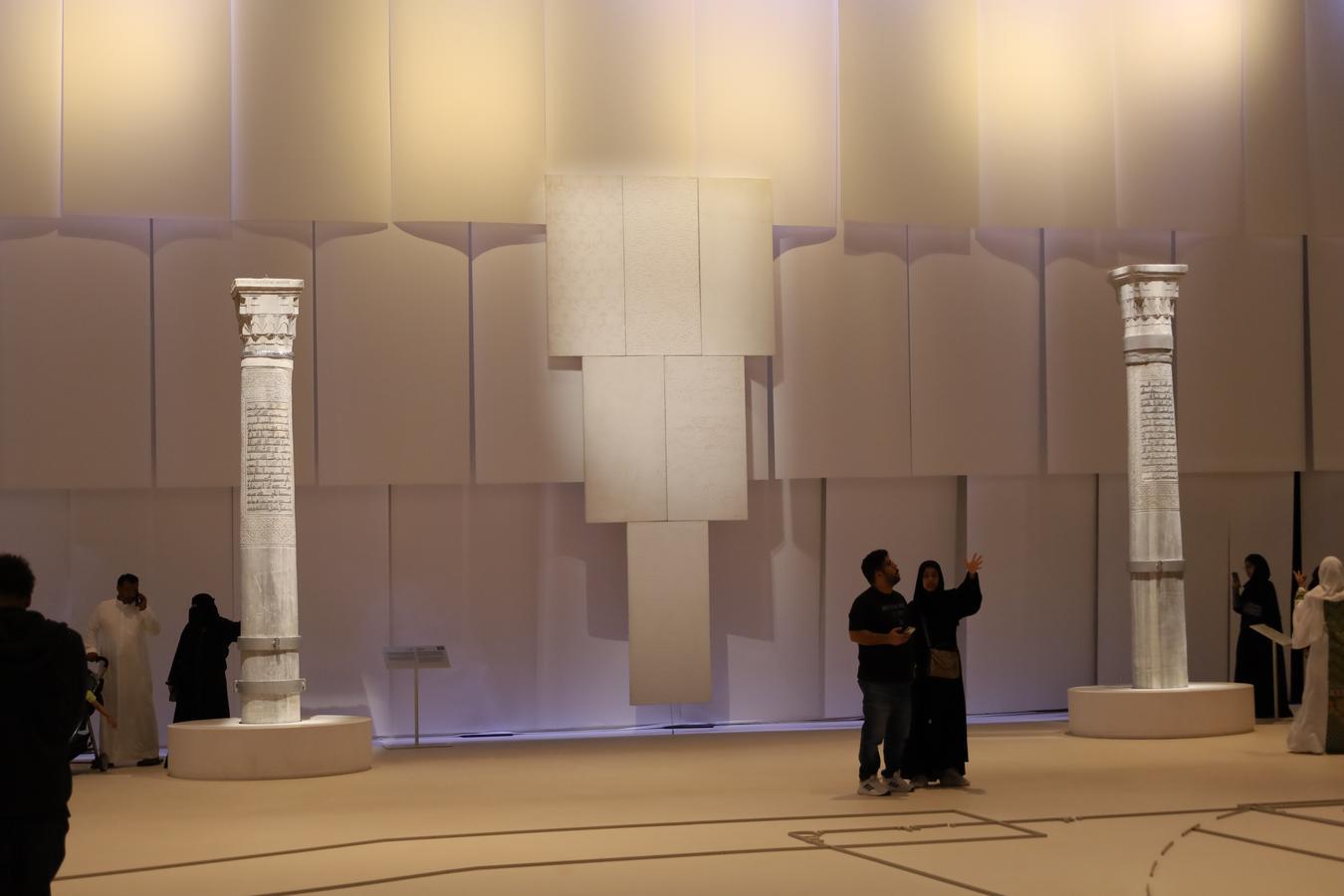
At La Biennale di Venezia this year, visitors wandering through the palazzos and alongside crowded canals might stumble upon an unusual sight. Inside the 15th century Abbazia di San Gregorio maps blur science with fantasy. Some show precise trade routes across the Indian Ocean; others drift into imagination, with strange creatures floating in seas no cartographer fully understood. One even, on closer inspection, has much of the world missing.
“A Necessary Fiction: Maps, Art, and Models of Our World,” is a fascinating exhibition presented by Saudi Arabia’s Ministry of Culture and curated by an Arab and international team. Ostensibly, it is about cartography. In practice, it considers something more human: the stories societies tell themselves in order to navigate uncertainty.
That’s why Saudi Arabia going on this journey through art at Venice is so interesting. For years, many outsiders viewed the Kingdom through a fixed set of images: oil fields, clerics and desert conservatism. Mention Saudi Arabia in European conversations a decade ago and people were more likely to picture OPEC meetings than an art exhibition in Venice. Yet countries, like maps, rarely stay still.
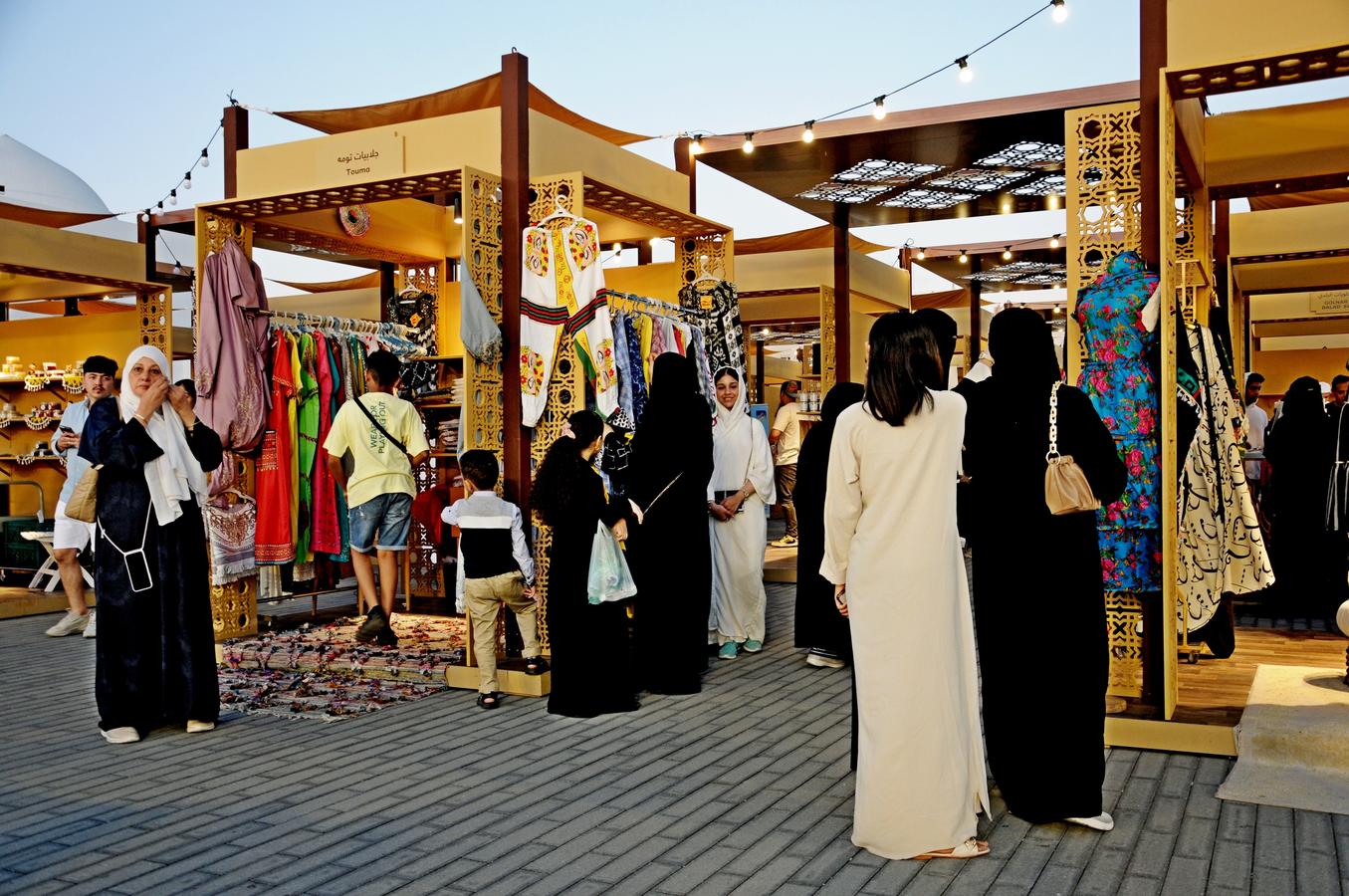
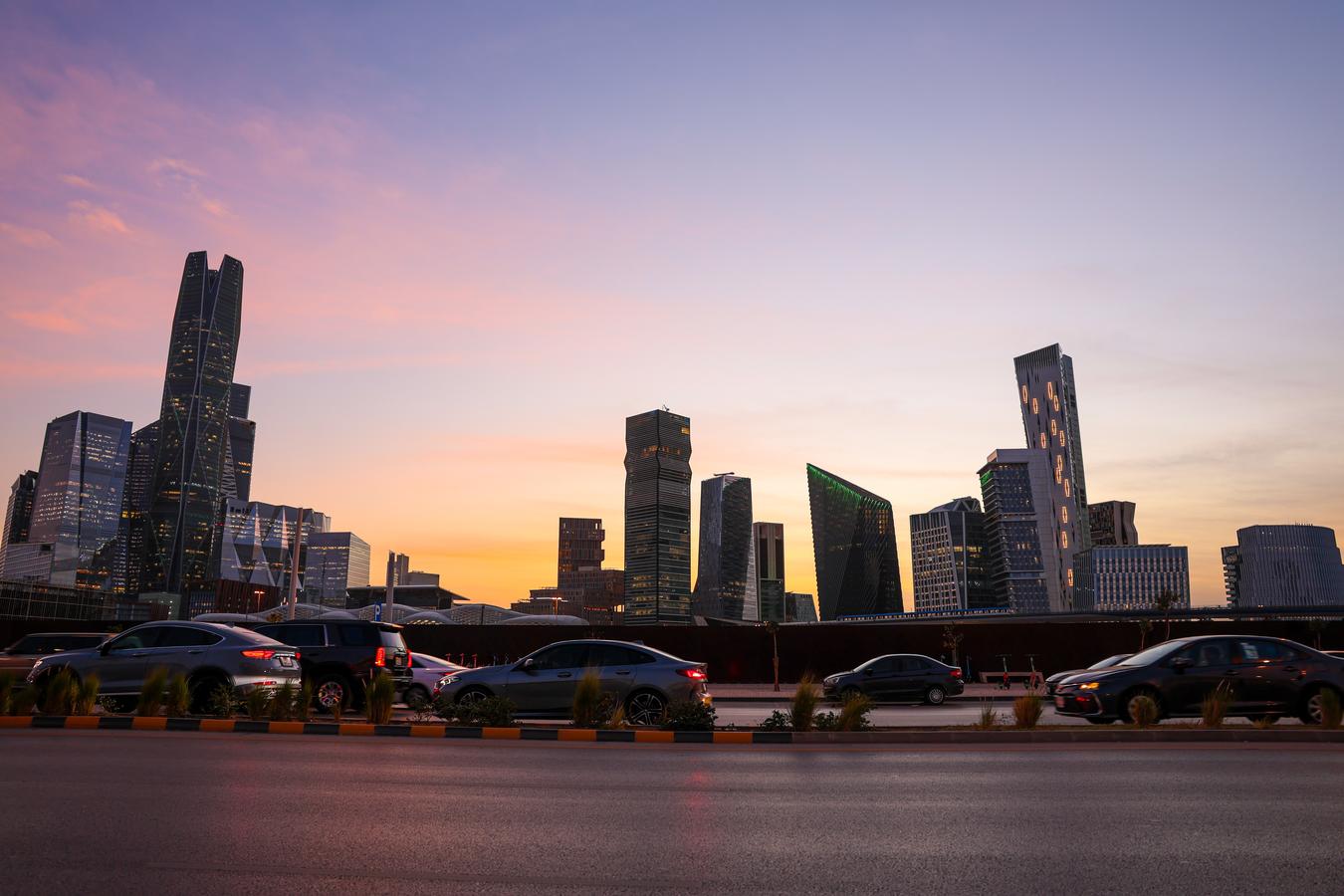
Today Saudi Arabia feels a little like a place sketching a new version of itself while the ink is still wet. In Riyadh, young Saudis queue for film festivals and electronic-music concerts that would once have been unimaginable. In AlUla, tourists photograph Nabataean tombs that spent decades known mostly to archaeologists. Contemporary-art spaces appear in former warehouses; fashion designers build audiences once limited to private salons.
So the pace of change under Vision 2030 is not merely economic but cultural and psychological, reshaping the narrative surrounding the country itself. Saudi officials increasingly speak about culture not as decoration, but as a form of connection. Prince بدر bin Abdullah bin Farhan Al Saud, the culture minister, has described culture as “a bridge between peoples and cultures”, language that reflects the Kingdom’s growing belief that art and heritage can shape international perceptions as effectively as diplomacy or business.
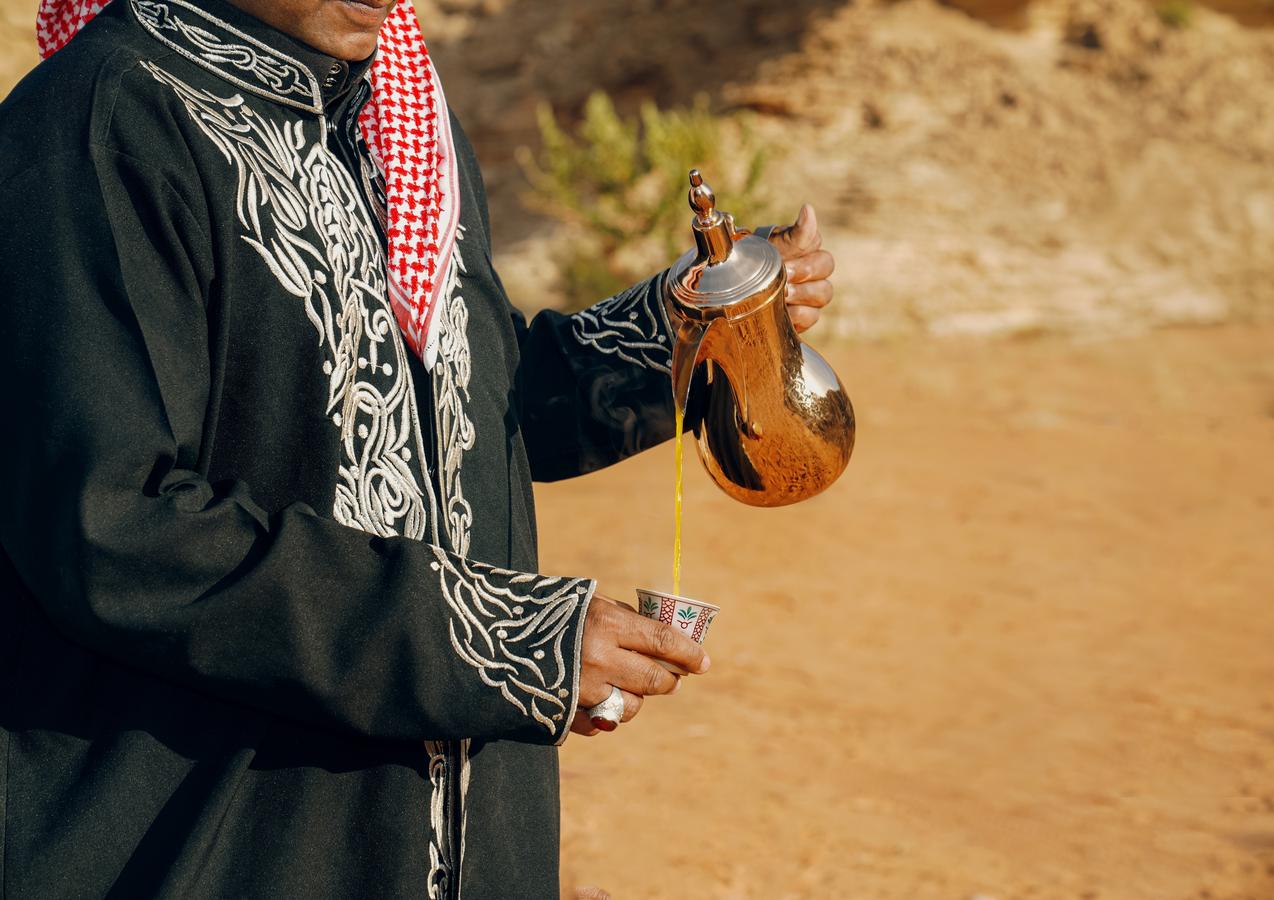
That effort is visible in the exhibition’s choice of objects. Arabian manuscripts and incense burners sit beside global maps and contemporary artworks, quietly arguing that the Peninsula was never as isolated as outsiders often assumed. For centuries, merchants, pilgrims and scholars crossed these routes linking Arabia to Africa, India and the Mediterranean. The region was not peripheral to global exchange but an intrinsic part of it.
The exhibition’s title, A Necessary Fiction, captures another tension within modern Saudi Arabia. Maps have never been neutral documents. Medieval Europeans filled oceans with monsters and imagined kingdoms; imperial powers enlarged themselves on paper; traders emphasised ports that mattered commercially while ignoring communities that did not. Maps reflected ambition and worldview as much as geography.
Saudi Arabia today is engaged in a similar exercise: redrawing how it sees itself and how it wishes to be seen by the world.
That does not mean abandoning tradition. If anything, many Saudi cultural projects attempt to root rapid modernisation in deeper historical continuity. The message emerging from exhibitions like this is subtle but important: Saudi Arabia is not inventing cultural openness from scratch, but reconnecting with older traditions of exchange, movement and cosmopolitanism that long existed across the Arabian Peninsula.
That argument matters internationally, because perceptions of Saudi Arabia often lag behind realities on the ground. Abroad, discussions about the Kingdom still tend to revolve around oil prices, geopolitics and regional security. Inside Saudi Arabia, however, conversations increasingly include cinema, tourism, design, gaming, architecture and contemporary art.
The Venice exhibition therefore functions on two levels. It is, first, a serious artistic and historical exploration of how human beings map the world. But it is also a subtle, nuanced statement about Saudi Arabia itself: a country attempting to reposition its identity in real time while remaining anchored to its own history.
The old maps displayed in Venice remind visitors that societies have always imagined worlds before fully understanding them. Saudi Arabia, it seems, is doing much the same with its future.







 Oct 21, 2026
0 Comments
No comments yet. Be the first to comment!