 May 11, 2026
 Comments
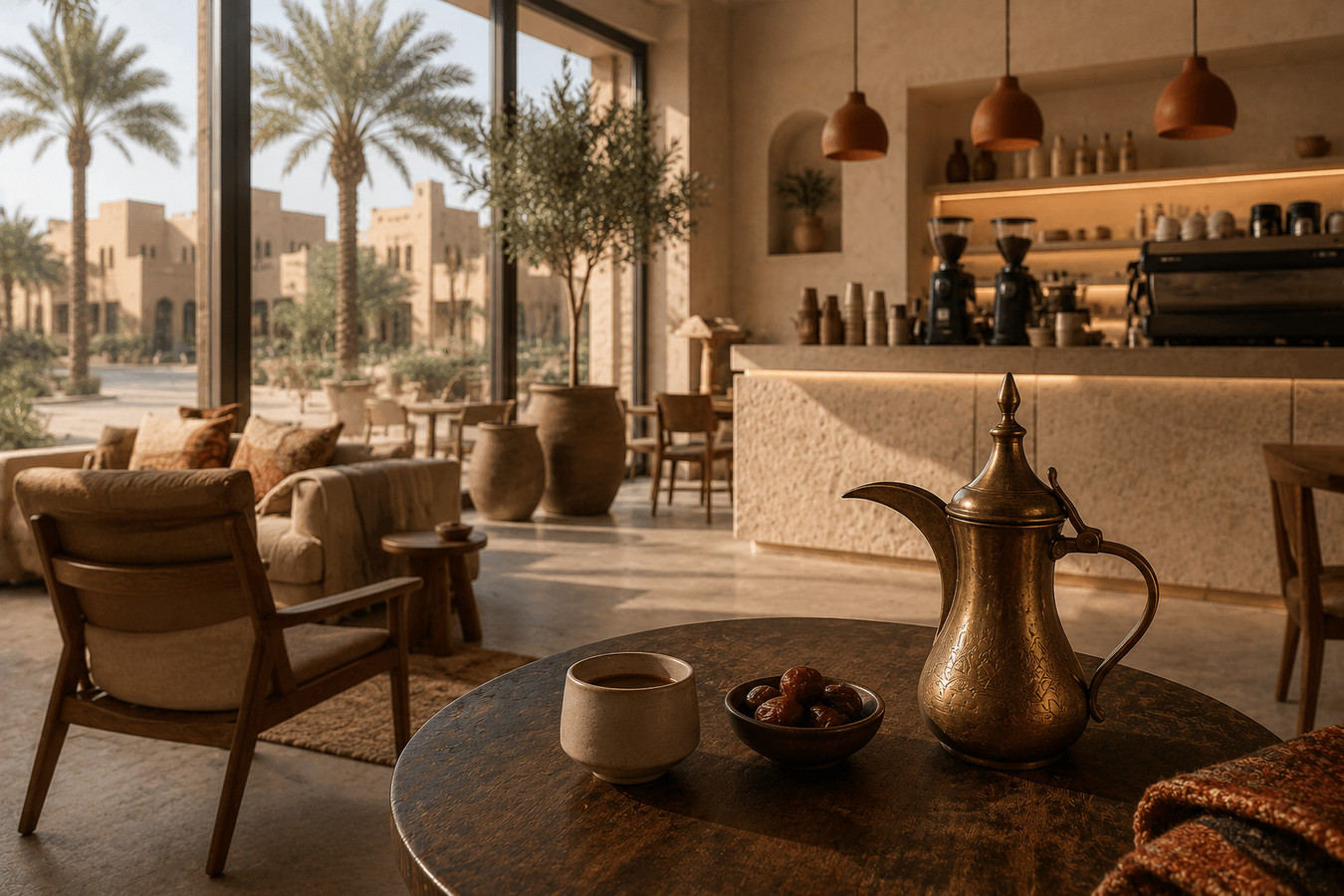
In Saudi Arabia, coffe has long been more than a beverage. It’s a language of hospitality, a stage for conversation, and a bridge across generations. And the story of Saudi coffee begins in the highlands of Jazan, al-Baha, and Asir, where rare Khawlani beans were cultivated centuries ago, carried inland from Yemen along caravan routes, and gradually became embedded in daily life.
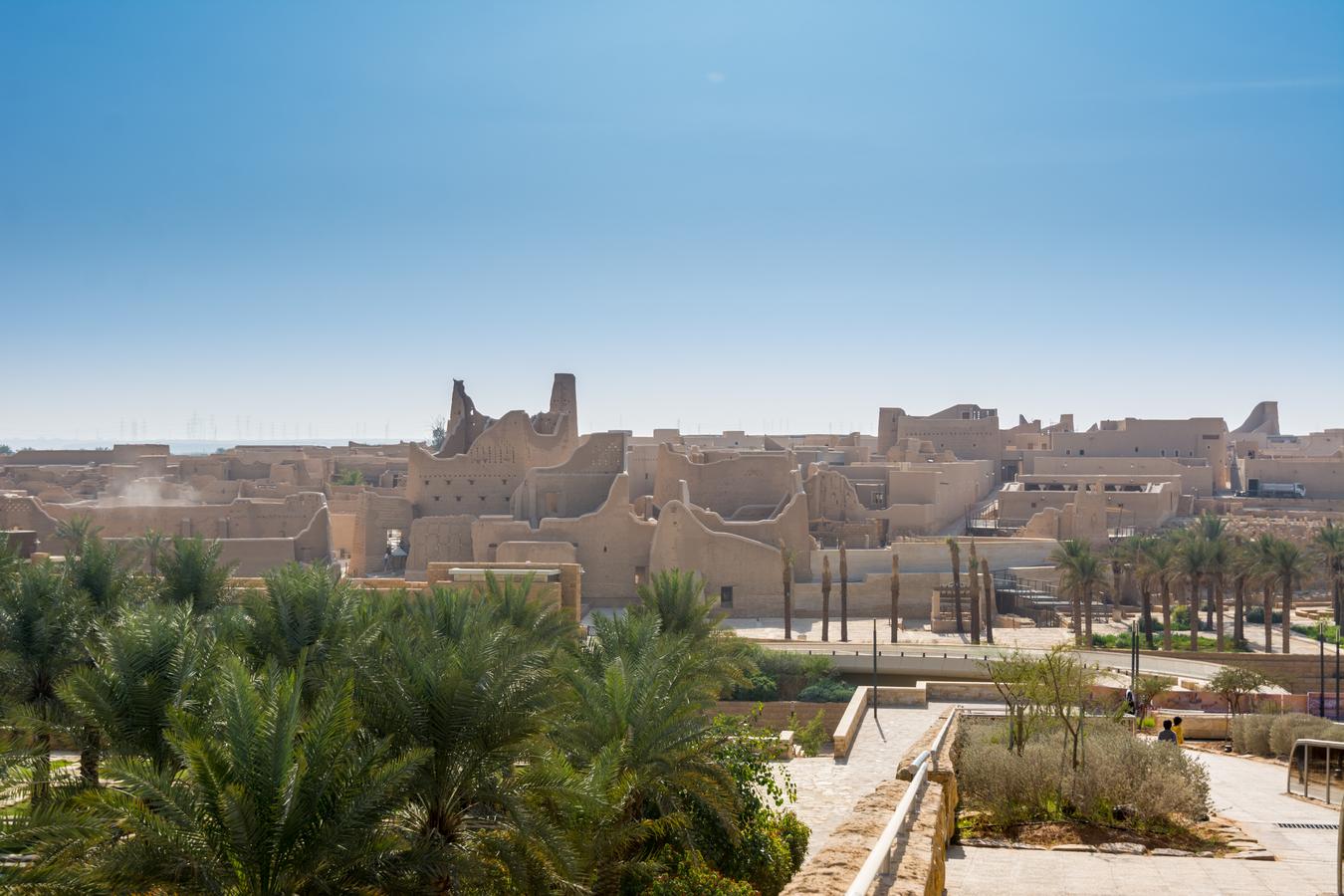
At cafés such as Qaysariat al-Kitab in old Riyadh, visitors encounter this heritage firsthand: the long-necked dallah, the handleless finjan, and the carefully choreographed pouring rituals are as much about social etiquette as they are about taste. On a chilly January morning at Qaysariat al-Kitab, Riyadh tour guide Faisal Alahaydib explains just how much coffee means to Saudis.
“Coffee here isn’t just a drink,” he says “It's our way of welcoming guests into our home, honoring them with every pour and every conversation we share.”
And these rituals are still alive in Saudi homes; over 80% of households serve coffee daily, not merely as a courtesy, but as a moral and cultural obligation reflecting the Kingdom’s communal values.
Kurniawan Arif Maspul, an independent coffee researcher based in al-Qassim, says coffee houses, too, have always had an important role to play
“Public coffeehouses in Saudi Arabia were early hubs of intellectual and social life, spaces where news, poetry and debate moved as freely as the coffee itself,” he says.
And this has transferred to the present day for younger generations.
“Even now, most Saudi young people come to coffeehouses not just to drink coffee, but to connect, to discuss, and to build community.”
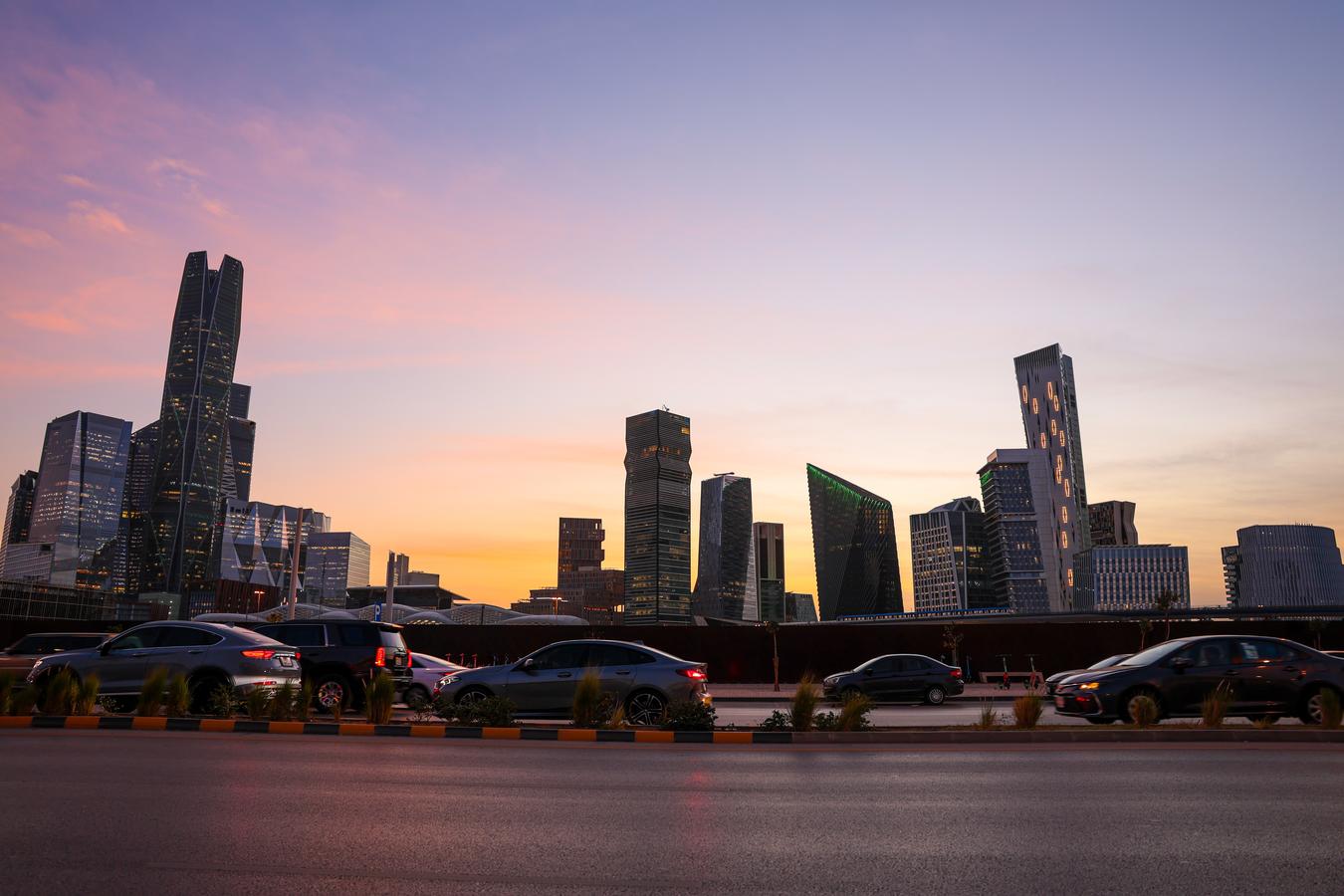
These spaces function as modern “third places,” preserving the social essence of the traditional coffeehouse. And the modern Riyadh cafés, such as Elixir Bunn, Draft Café, and Sociale, blend this heritage with global coffee trends.
Wadha AlRashid, founder of Draft Café, emphasizes the cultural continuity of her spaces:
“We want our spaces to give people more than coffee - to slow down, to connect with community, and to find inspiration, much like the traditional coffeehouses of old.”
Vision 2030 initiatives, including the Saudi Coffee Company, have further supported this revival, planting over 600,000 trees in Jazan and training farmers to improve both yield and quality, ensuring that Khawlani coffee retains its economic and cultural significance.
Across old squares and modern outlets, the Kingdom’s coffee culture demonstrates a seamless fusion of past and present. From the traditional warmth of Qaysariat al-Kitab to the contemporary energy of Draft Café, Saudi coffee is never just a drink: it is a locus of community, identity, and cultural continuity.







 Oct 18, 2026
0 Comments
No comments yet. Be the first to comment!