 May 18, 2026
 Comments
When Wadha Al-Shammari stood on a Washington stage and addressed a commencement ceremony at a high-profile University, it might not initially have seemed that unusual; Saudi students delivering graduation speeches is, after all, becoming encouragingly common. What was interesting about Wadha, though, is that she is deaf. Her achievement immediately meant something more than a personal milestone: it revealed the changing landscape of disability in Saudi Arabia - and the expanding opportunities for people with disabilities, too.
After earning her Master’s degree in Deaf Education from Gallaudet University and being selected to deliver the graduate student address at the university’s 2026 commencement ceremony, Wadha Alshammari stands as an inspiring example of perseverance and ambition.
— Saudi Embassy USA (@SaudiEmbassyUSA) May 17, 2026
Wadha’s journey… pic.twitter.com/4AG5iiJjQ7
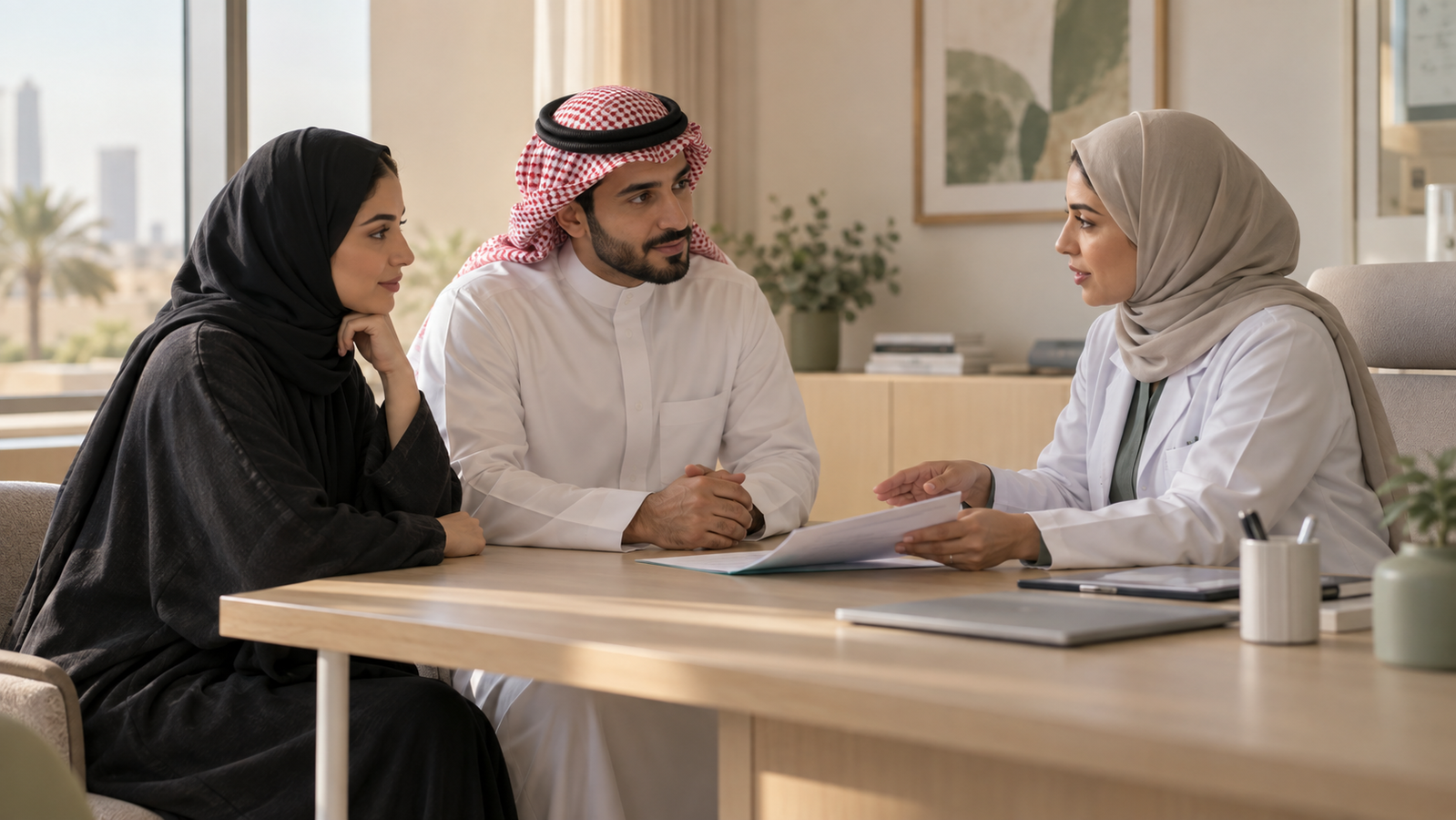
For years, disability in Saudi Arabia was primarily organized through families rather than institutions. Saudi families have long played a central role in care. Parents searched for schools, adjusted routines and relied heavily on their relatives and personal networks.
Information often came informally: a recommendation from another parent, a teacher someone trusted, or advice passed between families facing similar experiences. Someone knew a specialist. Someone had heard of a centre in another city.
A decade ago, many parents raising children with disabilities entered unfamiliar territory with limited guidance. Questions were often practical rather than philosophical: Which school accepts children with these needs? Where are the specialists? What support exists? What does the future look like?
Many Saudi families remember another reality too; in some homes, the challenge was not only practical but social. Some families worried about judgment from others, especially when public awareness around developmental and cognitive disabilities remained limited. Parents sometimes struggled not only to understand a diagnosis, but to explain it to relatives and their wider community.
Ultimately, conversations around autism in Saudi Arabia, learning disabilities and developmental conditions were far less public than they are today, which meant that the Saudi family often became the first and only institution.
That reality mattered because people with disabilities in Saudi Arabia have never represented a small or isolated group. Saudi estimates suggest roughly 1.35 million people, or around 5.9% of the population, live with disabilities or functional difficulties. More than 84,000 people are estimated to have hearing disabilities. Earlier studies placed the figure closer to 7.1% of the population, with men accounting for approximately 52.2% and women 47.8%.
Yet visibility often lagged behind these numbers. So it’s interesting that in recent years institutions have increasingly entered a space once managed almost entirely at home.
Part of that is specifically because Saudi Arabia began thinking about social policy itself - where before disability was largely approached through care, family responsibility and welfare, over the last decade, the Kingdom increasingly moved toward a different model. Under Vision 2030, disability inclusion became linked to broader questions: who participates in society, who enters the workforce and whether human potential is fully used.
As education expanded, social media grew and Saudi families became more connected, experiences that once remained private increasingly entered public discussion. Parents spoke more openly. Families found one another. Conditions such as autism in Saudi Arabia, hearing disabilities and developmental disorders increasingly entered public conversations.
These changes became visible in everyday life before they appeared in policy language, but education was often one of the first places families noticed a difference. The Ministry of Education expanded special education services and programmes, while institutions such as Amal Institutes for the Deaf, Noor Institutes for the Blind, and centres supporting intellectual and developmental disabilities became part of a broader educational network.
This was important because the institutional landscape itself once looked very different. Specialized institutions often remained concentrated in larger cities and known mainly through family networks. Day-care and rehabilitation centres existed, but access frequently depended on geography and family resources. Families of children with autism often relied on private centres and recommendations because navigating services was not always straightforward.
Yes, The King Salman Center for Disability Research, founded in 1992, expanded studies and awareness efforts around disability issues. But it was the establishment of the Authority of People with Disabilities in 2018, which was really key. It created a more centralized approach, focusing on accessibility, rights and participation. It was at this point disability increasingly became part of larger discussions about inclusion and public life - rather than remaining primarily a family issue.
For many families, the question gradually changed too. It was no longer only: Can my child find support. Increasingly it became: What kind of future can they imagine?
And it was often in meaningful employment. Under Saudi labor regulations, companies employing 25 workers or more are now required to allocate at least 4% of positions to qualified people with disabilities where work conditions permit.
Public life gradually changed too, the growth of Saudi Paralympics and disability sports expanding visibility beyond institutions. Saudi Arabia first participated in the Paralympic Games in 1996, gradually creating another form of representation: public presence.
Disabilityincreasingly moved from a private family concern into a broader social conversation. And few people watched that transformation as closely as Bader Alomary, a Saudi deaf educator, advocate for Saudi Sign Language and faculty member in Special Education at King Saud University.
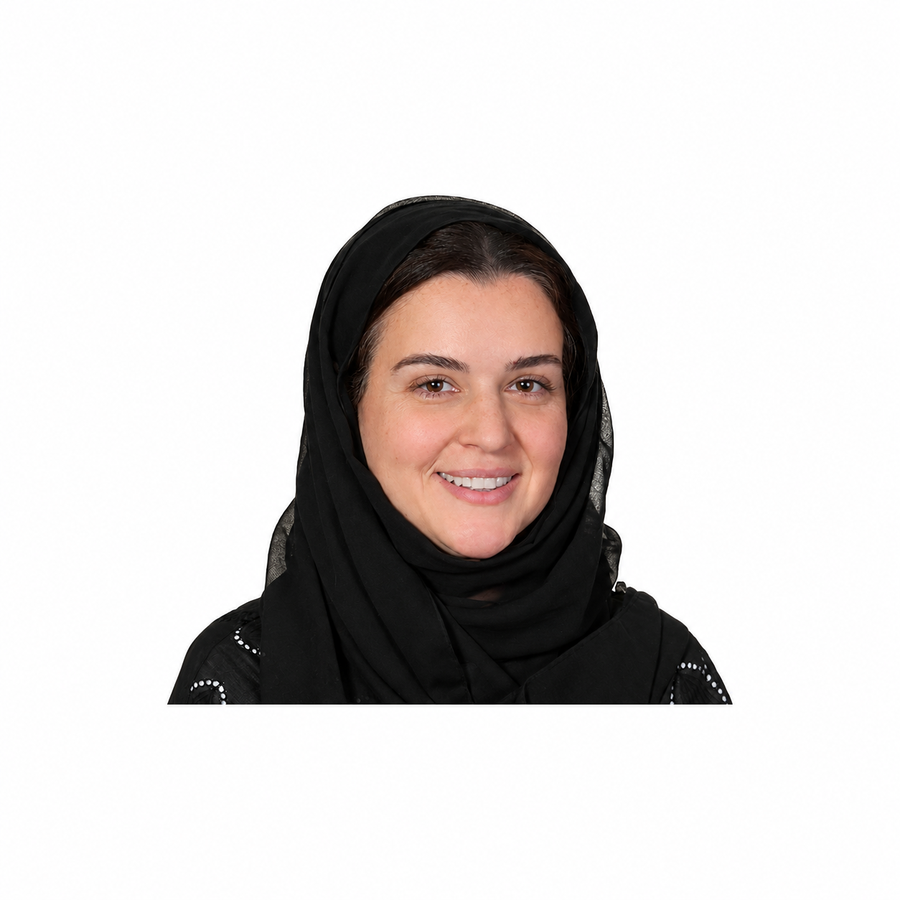
Which brings us back to Wadha Al-Shammari. She studied Deaf Education at Gallaudet University in Washington, D.C., one of the world’s best-known institutions for deaf and hard-of-hearing students.
Reflecting on her experience growing up, she lost her hearing when she was one year old and her both her parents soon after, was not defeated by here challenging circumstances and went on with the support of her extended family to learn sign language. Since her graduation she is been celebrated in Saudi media from the Saudi Embassy in Washington, her Deaf school, family and media. In her graduation speech she said:
“I’m from Saudi Arabia, where the culture is different. Growing up, I didn’t have a lot of experience with signed language.” Yes, her story is not easy 2 decade ago to find a future for people like Wadha.
Which says everything about how Saudi Arabia has moved the conversation away from ability towards access. Wadha Al-Shammari’s achievement matters not because Saudi Arabia suddenly discovered talent among people with disabilities, but because the talent was always there; it just needed the infrastructure and oversight to create the routes for people like Wadha to be seen.
So Saudi Arabia has now spent years building systems around disability. For many Saudi parents, perhaps the biggest change is no longer asking where their loved ones might go, it’s where they can now end up.
And in that question lies the next challenge for the Kingdom; to ensure the more difficult task of changing assumptions and preconceptions about who belongs in classrooms, workplaces and public life is truly met.







 Oct 26, 2026


0 Comments
No comments yet. Be the first to comment!