 Feb 25, 2026
 Comments
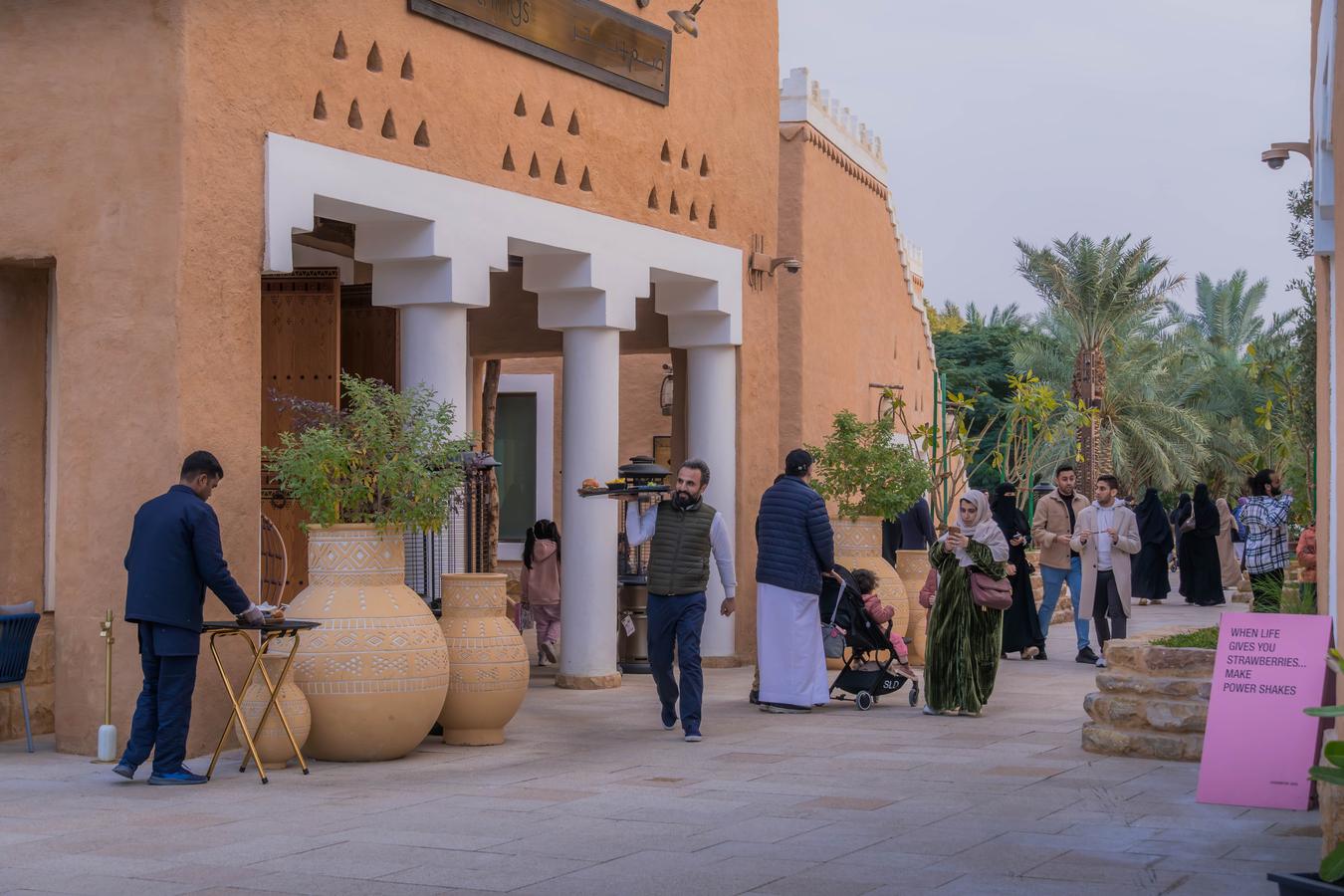
The most consequential changes in Saudi Arabia are not symbolic; they are practical. Expanded employment opportunities for women, a broader definition of acceptable careers, the normalisation of entertainment and public leisure, and greater geographic mobility have reshaped daily life. These shifts affect how people work, socialise, and imagine their futures. Rather than overturning social values, change has largely altered how Saudi society operates in public, while private life remains more anchored in continuity. What has changed most visibly is not belief, but behaviour—how people move through public space, organise their time, and engage with the wider world.
What is The Real Pace of Social Change in Saudi Arabia?
The pace of social change is uneven and often misunderstood. In public-facing areas—workplaces, consumer culture, travel, and leisure—the transformation has been rapid and highly visible. In contrast, family structures, marriage expectations, and social reputation evolve more slowly. This creates a gap between what is legally or practically possible and what feels socially acceptable. Saudi Arabia is therefore not changing in one direction or at one speed; it is moving in layers, with tension between acceleration and restraint. For many Saudis, navigating this gap is now part of daily life.
Which Parts of Saudi Society Are Changing Faster than Others?
Change is most pronounced in urban, mobile, and professionally diverse environments. Young professionals, mixed-gender workplaces, private-sector employees, and globally connected Saudis experience transformation most directly. Sectors such as hospitality, entertainment, technology, and education tend to move faster, driven by international exposure and market pressure. More traditional social settings—particularly those organised around extended family networks—adapt more cautiously. Change there is absorbed selectively rather than wholesale, filtered through existing norms rather than replacing them.
What Aspects of Saudi Life Have Not changed At All?
Despite visible transformation, several foundations remain remarkably stable. Family loyalty, concern for reputation, respect for elders, hospitality norms, and the clear distinction between public and private life continue to shape behaviour. Even as public spaces become more open, private expectations often remain conservative by global standards. These continuities explain why Saudi society can appear contradictory to outsiders: modern in form, traditional in instinct. What looks like inconsistency is often balance.
What Do Saudis Themselves Think About These Changes?
Saudi public opinion is rarely binary. Many Saudis express pride in new opportunities and greater personal freedom, while simultaneously voicing concern about speed, social cohesion, and cultural dilution. Support for change often comes with conditions: it should remain socially grounded, gradual, and recognisably Saudi. Enthusiasm and unease coexist—not as opposites, but as parallel responses to rapid transformation. For most Saudis, the question is not whether change should happen, but how far, how fast, and at what social cost.






 Sep 24, 2026
0 Comments
No comments yet. Be the first to comment!