 Oct 15, 2024
 Comments
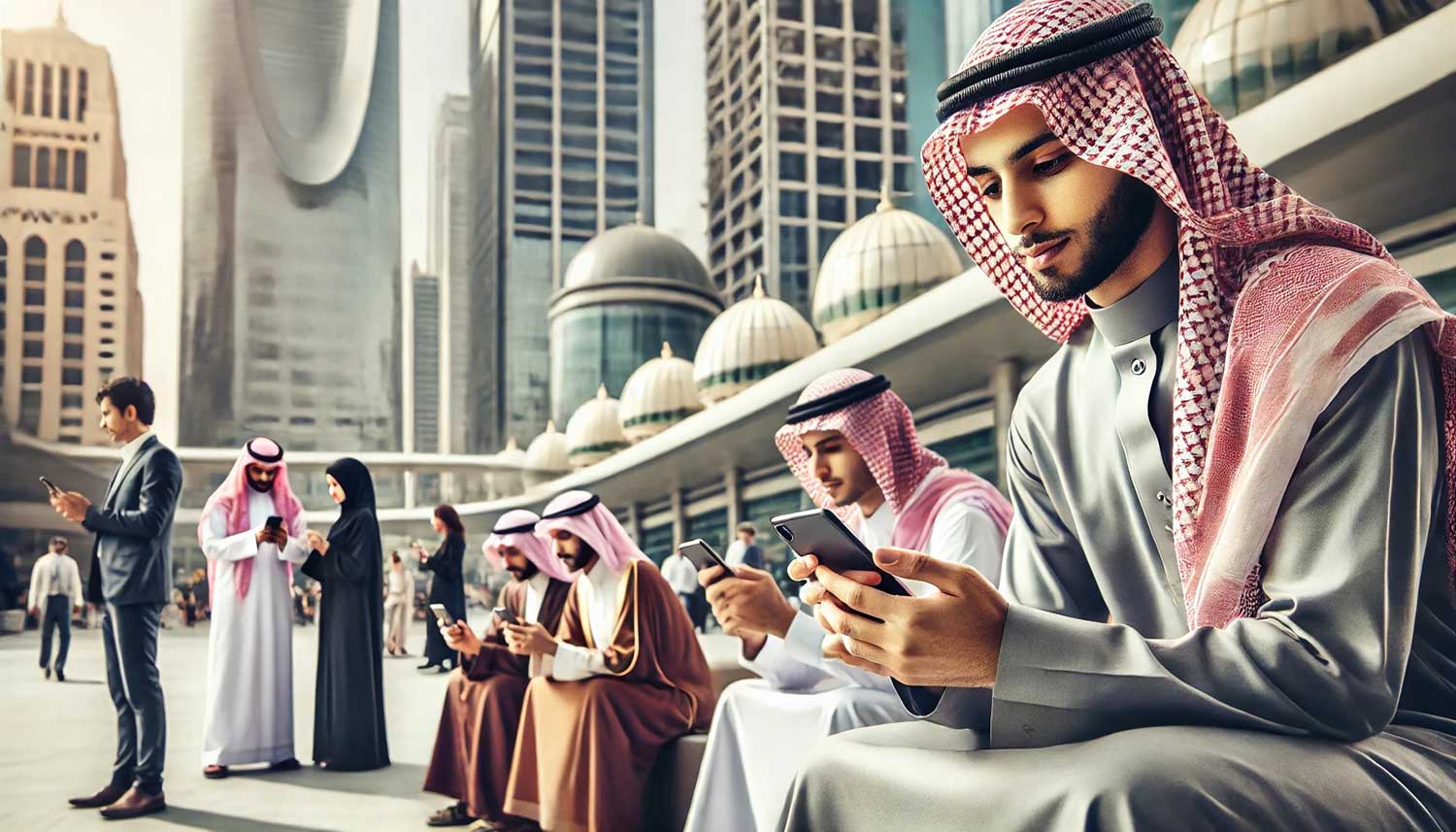
The majlis—or diwaniyah—has long served as the beating heart of Saudi social life : a dedicated room where friends and family gathered to exchange views on everything from politics to personal matters. Within these walls, debates unfolded, stories circulated, and bonds were cemented over endless rounds of Arabic coffee.
Today, the majlis is evolving. In the era of Zoom calls and WhatsApp groups, younger Saudis are reimagining how they connect. “The majlis is still valued,” says Faisal M., a social anthropologist in Jeddah, “but it’s no longer confined to a physical room—it’s happening in digital spaces.” That said, in-person gatherings remain deeply cherished. Many younger Saudis still make the effort to meet face-to-face, while also appreciating the ease and immediacy of online platforms.
This shift—accelerated by the pandemic—has seen a rise in virtual get-togethers. While some lament the loss of traditional interaction, others see it as a practical adaptation. “It’s not about abandoning tradition, but transforming it to suit today’s lifestyle,” says Hessa Al-Mutlaq, a tech entrepreneur in Riyadh. For the younger generation, digital connection isn’t impersonal—it’s simply another way to stay close.
Yet not everyone is convinced. Older Saudis, in particular, feel that something has been lost. “A majlis isn’t just conversation—it’s shared coffee, gestures, the mood of the room,” argues Ahmed Al-Qahtani, a retired teacher from Dammam. “You can’t replicate that through a screen.”
This tension between physical presence and digital convenience reflects a broader shift in Saudi society: a hybrid model in which both spaces—real and virtual—play a role in maintaining relationships.
Weddings: Simplicity Meets Status
The push-and-pull between modern practicality and traditional grandeur is perhaps nowhere more visible than in Saudi weddings.
Historically, weddings were lavish affairs: hundreds of guests, elaborate feasts, and grand venues. But social norms are shifting. An increasing number of young Saudis are opting for smaller, more intimate celebrations. “It’s about quality over quantity,” says Sarah Al-Jubeir, a wedding planner in Riyadh.
Financial considerations are key. A 2023 survey by the General Authority for Statistics found that traditional Saudi weddings can cost anywhere from SAR 150,000 to SAR 500,000 ($40,000 to $133,000). “We chose a smaller wedding and used the money for a down payment on a house,” says Omar Al-Sudairy, a newlywed in Jeddah—a sentiment shared by many of his generation.
Yet in some regions, particularly rural areas, the elaborate wedding remains a point of pride. “It’s not just about the couple; it’s about family reputation,” says Umm Khalid, an elder from a village near Abha. Tradition, in these settings, still carries social weight.
At the same time, a new form of extravagance is emerging. Destination weddings—in cities like Dubai, Cairo, or Paris—are becoming popular, turning the event into a statement of taste and modern identity. Even in matters of tradition, global influence is leaving its mark.
The Saudi Kitchen: Between Fast Food and Fusion
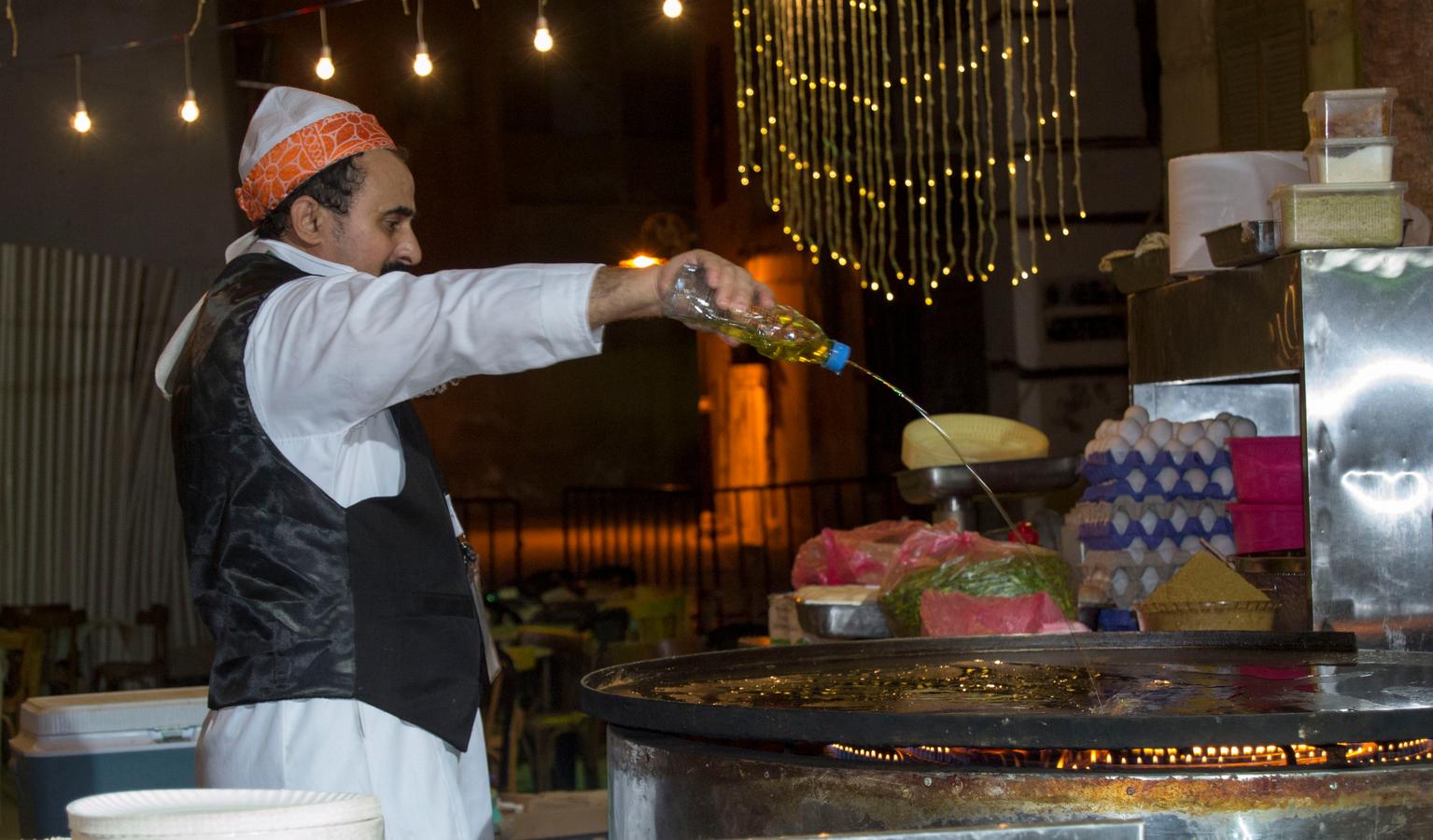
Nowhere is the negotiation between old and new more apparent than in the Saudi kitchen. Traditional dishes like kabsa,, jareesh, and mutabbaq remain culinary mainstays. Yet fast food and delivery apps are reshaping eating habits, particularly among the youth. “Young Saudis are eating more burgers than ever,” says Abdullah Al-Mutairy, a food historian in Riyadh.
This trend is not simply about convenience—it reflects the globalisation of taste and lifestyle. Still, it hasn’t spelled the end for local cuisine. Instead, a new culinary movement is gaining ground: one that fuses Saudi flavors with global techniques. Restaurants like The Social Kitchen and Shawarma House are popular for their contemporary take on local dishes. During Saudi National Day, chef Nawal Alkhalawi’s collaboration with Japanese restaurant ROKA exemplified this trend, blending traditional ingredients with Japanese flair.
Yet not everyone is enthusiastic. “We’re losing our identity,” laments Fatimah Al-Sharif, a grandmother in Mecca who teaches traditional cooking. “If we forget how to cook our own food, we forget who we are.” Still, the rise of food delivery platforms named after local dishes—like Lugmaty, meaning “my bite” in the Hijazi dialect—suggests that culinary tradition is adapting rather than disappearing.
Culture Reimagined: Art, Music, and Fashion Saudi culture
Beyond food and gatherings, broader elements of Saudi culture, are undergoing similar reinvention. Film festivals, music events, and public art exhibitions have become more prominent, often blending local themes with international styles. The Red Sea International Film Festival, for instance, showcases Saudi talent on a global stage.
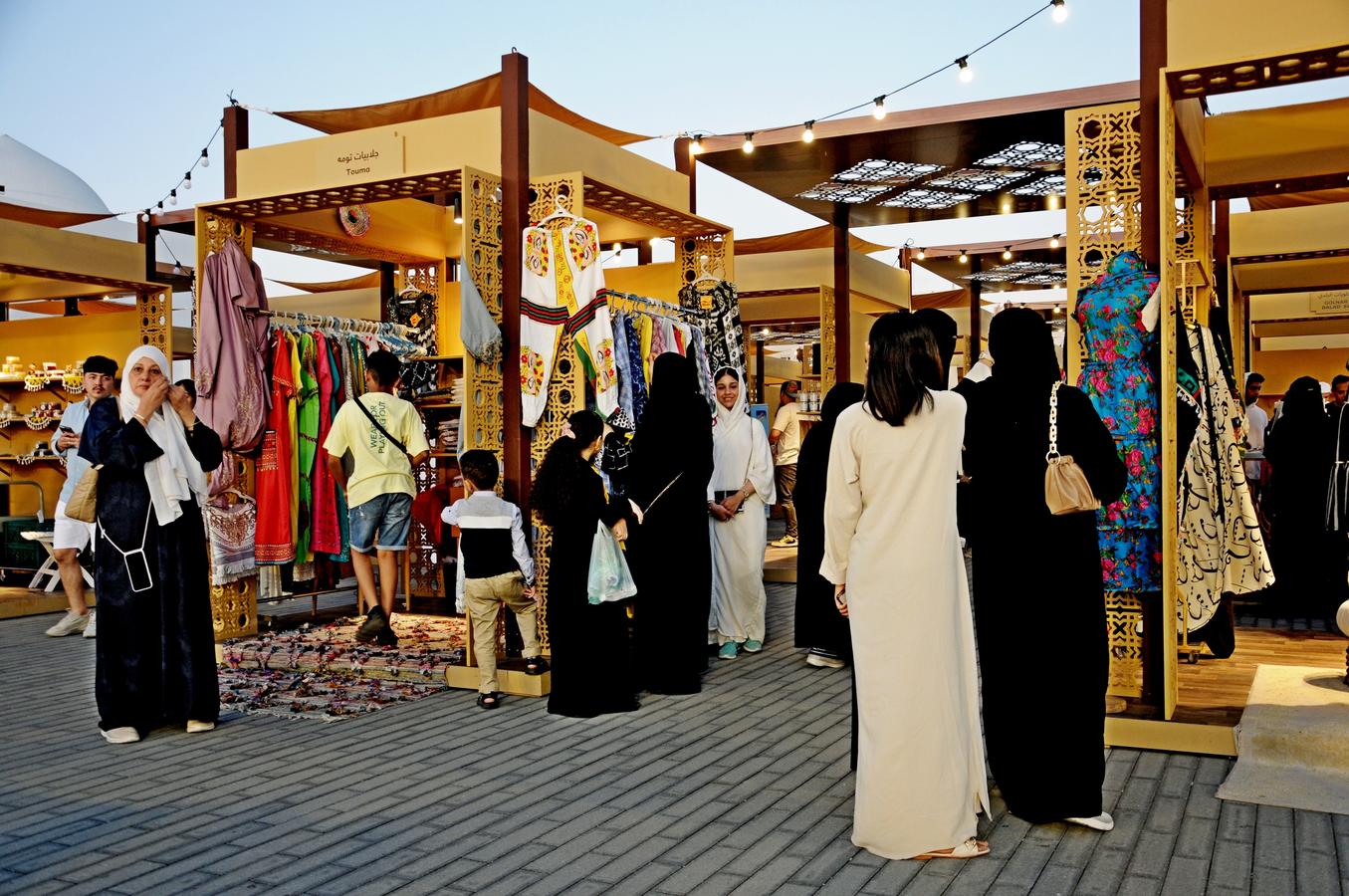
In fashion, designers are modernizing the abaya and integrating Western elements into traditional attire. These changes are accelerated by the rise of social media, where platforms like Instagram and TikTok offer young Saudis space to express layered identities—grounded in heritage but open to the world.
The Road Ahead: A Hybrid Future
Saudi society today is not caught between tradition and modernity—it is combining them. As sociologist Mohammed Al-Harbi puts it, “It’s not about choosing one over the other. It’s about finding a way for both to coexist.”
From the digital majlis to the micro-wedding, from the fast-food craze to the revival of heritage fashion, Saudis are not passive recipients of change. They are actively shaping a hybrid future—one that honors the past while embracing the opportunities of the present.
In this balancing act, Saudi society may well succeed in crafting a cultural model that is both distinctly local and confidently modern.






 Sep 24, 2026

0 Comments
No comments yet. Be the first to comment!