 Feb 3, 2026
 Comments
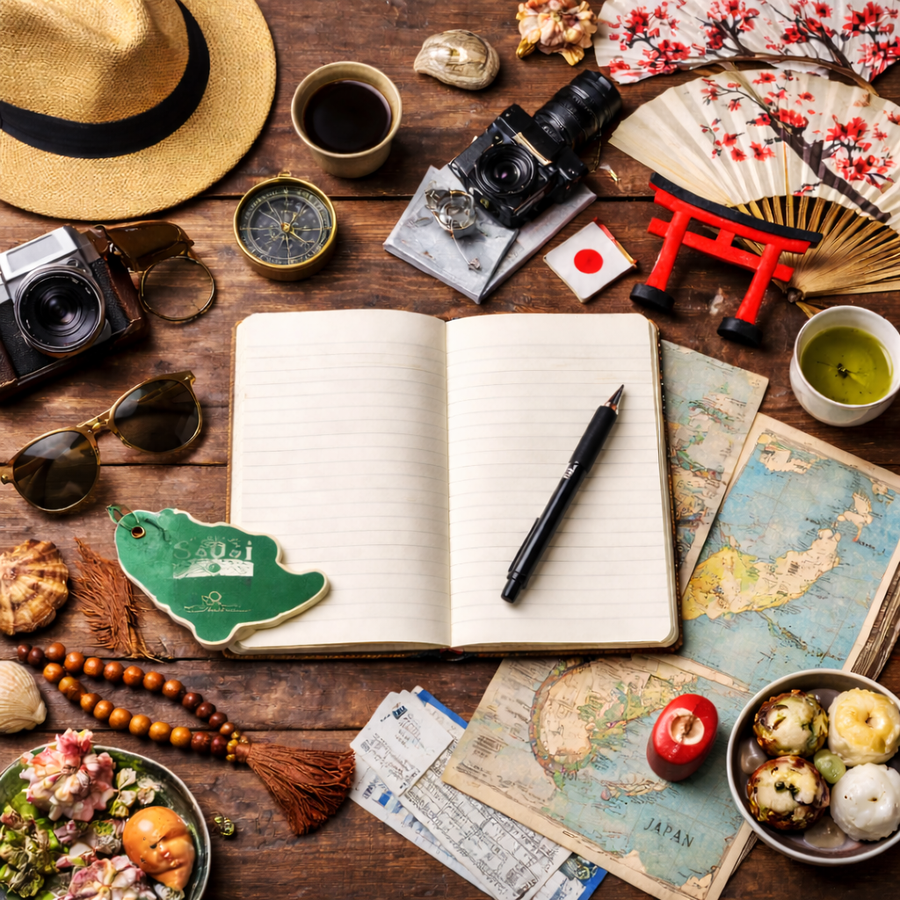
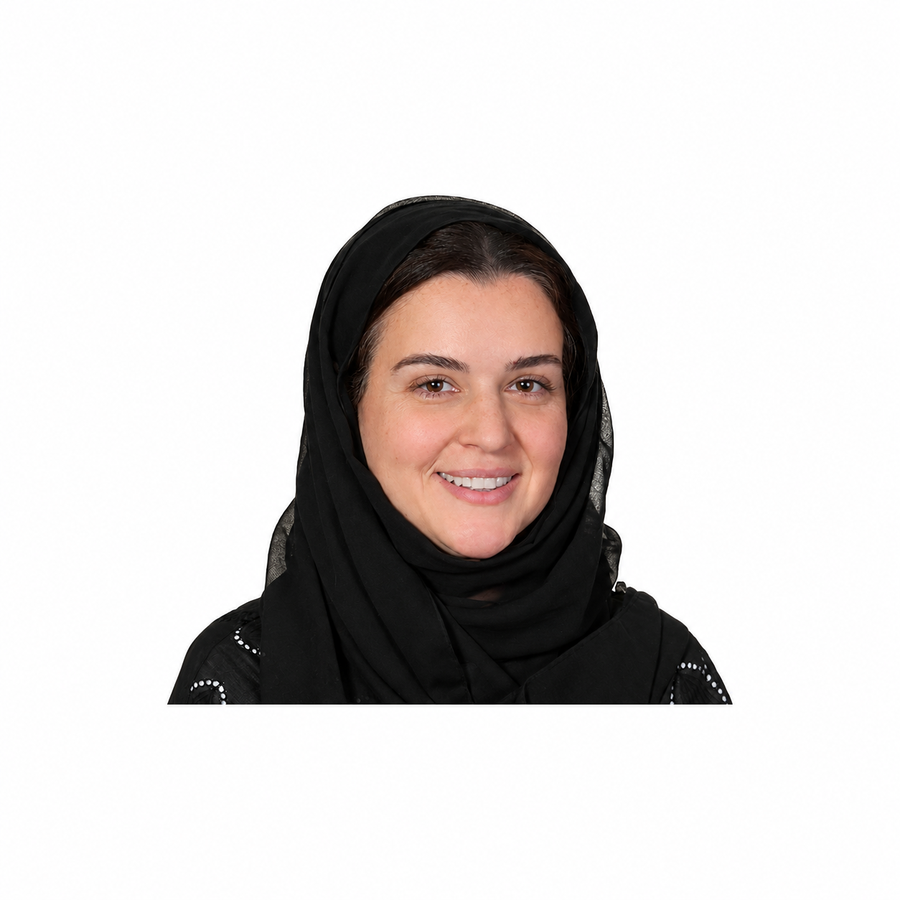
How does someone so firmly rooted in Saudi culture end up learning a language as distant as Japanese? It’s not French or Spanish—languages with cultural touchpoints that feel geographically or historically familiar. Japanese is a different world: far away, unfamiliar, and rarely spoken in the Gulf. While many Saudis admire Japan from afar, few go so far as to learn the language. That curiosity led me to speak with Noura Alharbi.
She represents a new generation of Saudis—curious, open to the world, and willing to build skills around personal passion, even when the job market lags behind. She holds no formal position at the moment. What she does hold is a license, a language, and a quiet determination.
Noura’s journey began in 2010, watching Japanese dramas online. By 2017, she was teaching herself the language, eventually passing the Japanese Language Proficiency Test and obtaining a tourist guide license. What started as a casual interest became a commitment—one that shaped her ambitions more than any university degree.
Though job offers have yet to materialize, she remains undeterred. She volunteers, applies, studies, and speaks the language daily. In a country where tourism, education, and cultural exchange are still emerging sectors, her story reflects a growing belief that preparation will, eventually, meet opportunity.
In this exclusive interview with Saudi Times, Noura discusses persistence, identity, and the unlikely path from a quiet town in Qassim to the structured cadence of Japanese conversation.
Q: What First Drew You to Japanese—and What Made You Stay Committed?
A: A friend once suggested I watch shows in different languages. Japanese stood out immediately. I was drawn to their lifestyle—their respect, discipline, and humanity. Even their daily routines impressed me. One of my friends always eats dinner at 8 p.m.—it never changes. That consistency, that pride in doing things with care, was inspiring.
The language was difficult. The script, the grammar, the pronunciation—everything was new. But instead of pushing me away, it motivated me to continue. I taught myself step by step using online tools and passed the language proficiency test. I’ve had meaningful conversations with Japanese speakers, and I was proud they could understand me.
Q: How Did You Start Working Toward a Career in Cultural Exchange, and What Role Has Tourism Played?
A: One of my brothers encouraged me. I’ve always wanted to be a cultural bridge between Saudi Arabia and Japan. Getting a guide license seemed like a practical way to start. I wanted to help Japanese visitors see Saudi Arabia from the inside, not just as tourists. And I wanted Saudis to know more about Japanese culture, too. I haven’t had the chance to work officially as a guide yet, but I’m still trying.
Q: How Did People Around You React to This Unconventional Path—Especially Given Your Background in Physics?
A: My family supported me, especially my brother. Even though I studied physics, they saw that my real passion was in language and cultural exchange. It may seem like a strange combination from the outside, but to me, it makes perfect sense. I enjoy connecting with people through language.
Q: What Changes in Saudi Arabia Have Helped You Pursue These Interests—and How Are You Staying Active While Waiting for the Right Opportunity?
A: I grew up in Qassim, and in the past, it was difficult to reach beyond our local surroundings. The internet was limited. Opportunities were rare. Now it’s completely different. I learned Japanese online. I got a tourism license. I volunteered to teach. I’ve applied to many jobs—but no replies yet. Still, I believe things are changing. My time will come.
Most of my day is still shaped by Japanese. I speak it with friends, read books and news, and play language games. After Ramadan, I felt a bit down because I hadn’t heard back from any applications. But I’m slowly picking myself up again.
Q: What Have Your Interactions With Japanese People in Saudi Arabia Been Like—and How Have These Moments Influenced You?
A: When I meet Japanese people in places like Riyadh Boulevard or Diriyah, I feel excited to speak with them. They’re often surprised—and happy—to hear me speak their language. What I admire most is their pride and discipline. Even when they travel, they hold on to their cultural routines. They don’t feel the need to change. That confidence in who they are made a deep impression on me.
I’m deeply proud of being Saudi and of my religion. But Japanese culture taught me to slow down, to be calmer and more structured. It changed my rhythm. And now I want to give something back. I want Japanese people to know more about Saudi culture, about Islam, and who we really are.
Q: Can You Tell Us About Your Teaching Experience—and What You're Exploring Professionally Right Now?
A: I once volunteered at Princess Nourah University—we were 14 teachers, and each class had around 50 students. Many of them were teenagers—14, 15 years old—who wanted to learn Japanese because of anime. There was even a woman in her late 40s. It showed me how wide the interest in Japanese culture has become.
I’m still looking for a job, especially through Instagram and LinkedIn. I’m also considering teaching Japanese online—even if it’s through an app or on a volunteer basis. I just want to stay connected to the language and share what I’ve learned.
Q: What Advice Would You Give to Young Saudis—Especially Girls—Who Feel Torn Between Passion and Practicality?
A: Don’t give up on what you love. Even if it doesn’t match your degree or what others expect. Being realistic doesn’t mean ignoring your passion. Start small. Take a course. Volunteer. Try something new. You never know where it might lead.
We live in a time full of opportunity. What once seemed impossible is now within reach. And even if the reply doesn’t come today—keep going.






 Oct 21, 2026
0 Comments
No comments yet. Be the first to comment!