 Nov 18, 2025
 Comments
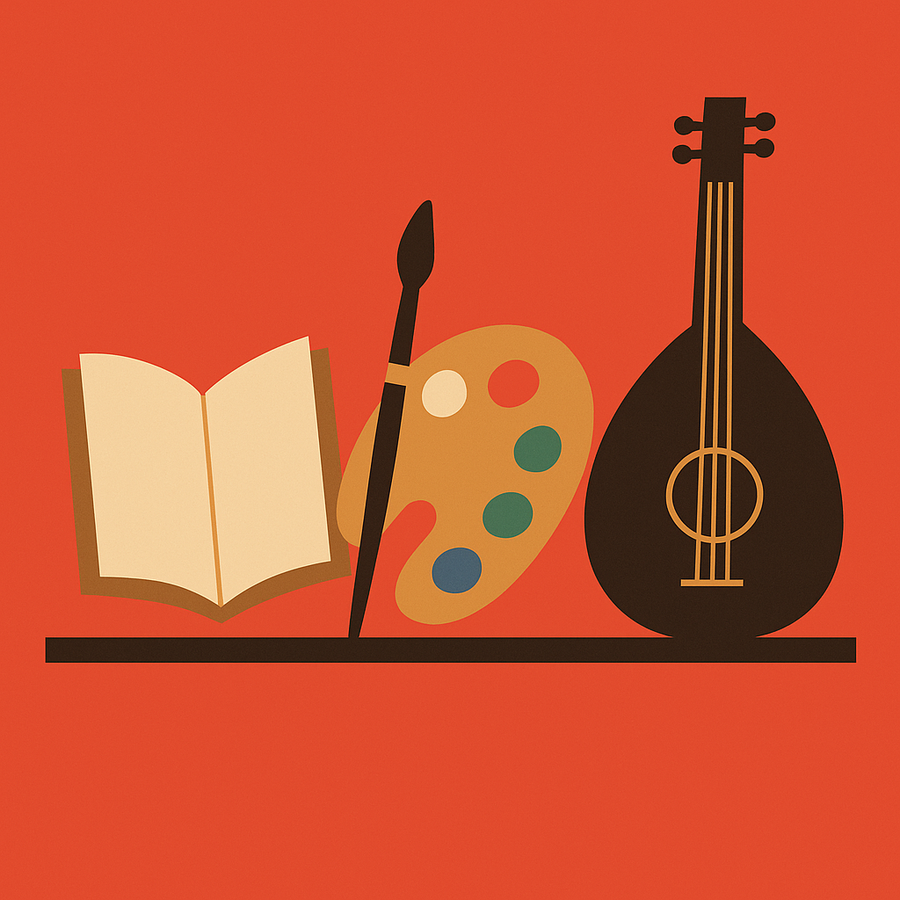
I have often written that culture has become a central pillar of Saudi Arabia’s transformation. Recent figures only reinforce this reality: public and private cultural spending has surpassed SR81 billion ( $21.6 billion), more than 51,000 firms now operate in creative industries in Saudi Arabia, and 23 million people have attended cultural events in Saudi Arabia between 2021 and 2024. So it was striking to see Dr. Hatem Alzahrani, a Saudi writer and cultural adviser, explore this idea in Arab News a few weeks ago.
He argued that investing in culture is not merely a policy choice or an economic lever. It is also a way for a nation to understand itself — a point that speaks directly to Saudi cultural identity. That is a shift many Saudis are now witnessing first-hand.
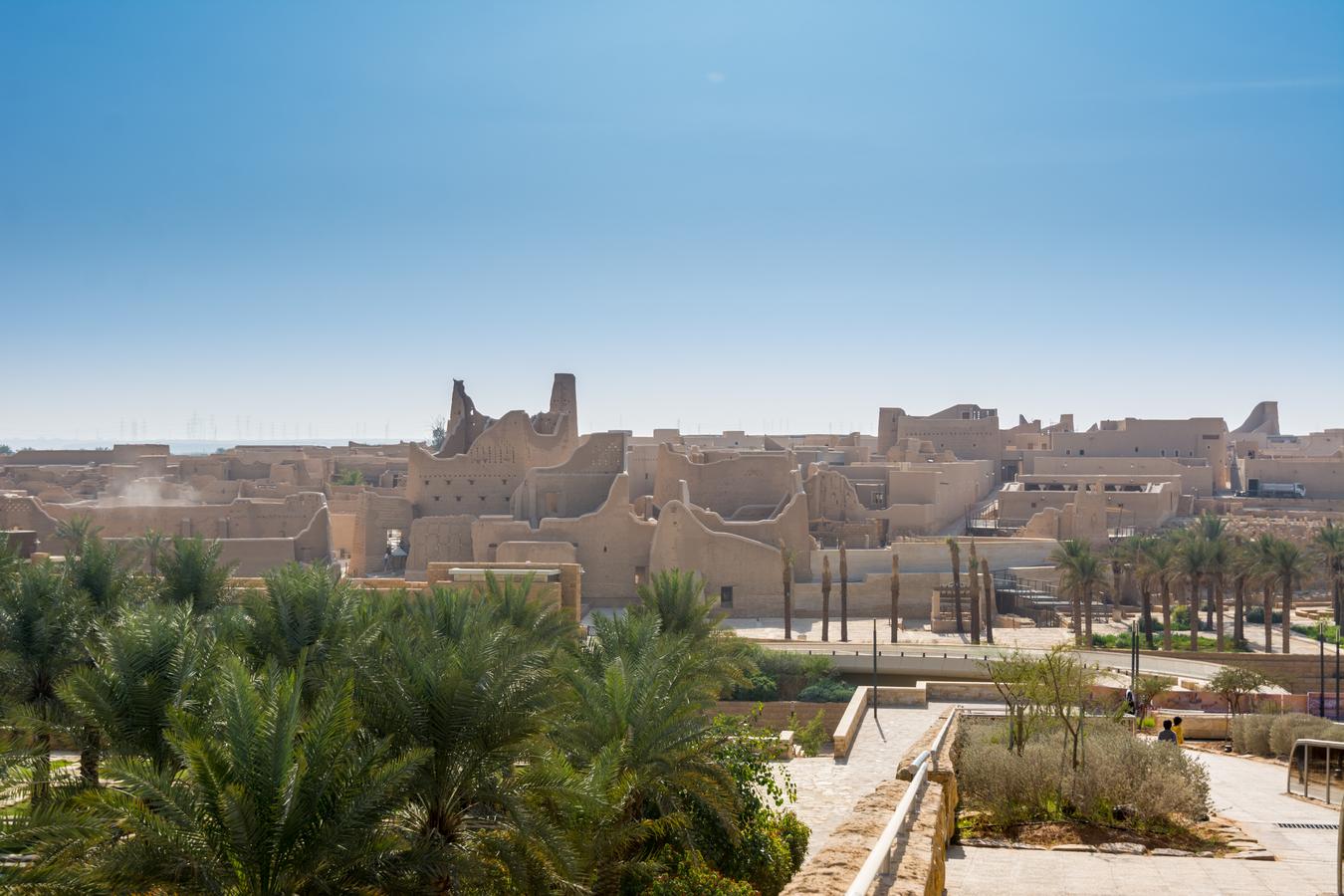
For much of modern Saudi history, Saudi culture sat at the margins of national development. Art was absent from school curriculums, and creative fields were seldom viewed as serious careers. For many, culture was personal — a family talent, a hobby or a private passion — but not part of a shared national awareness.
That view is changing. Across the country, Saudis are encountering culture in new forms: attending book clubs, visiting art exhibitions and filling stadiums for football games that now blend sport with entertainment — signs of a broader Saudi cultural transformation.
Art galleries are multiplying, the Biennale in Jeddah has become a regional reference point, and Sotheby’s will open in Riyadh in early 2025. A Saudi creative economy is taking shape, reflecting both social confidence and economic ambition.
As Dr. Alzahrani noted, “Investing in culture equips nations with the symbolic tools to frame their own stories.” This shift is not only about institutions or policy frameworks; it is about imagination and inclusion. By investing in creativity, Saudi Arabia’s cultural sector is redefining what development means — and who gets to participate in it.
For many who came of age before the current reforms, this change feels almost surreal. Saudi society once observed culture from a distance; today, it is something Saudis live, create and share.
The growing presence of Saudi artists and designers reflects more than policy success. It marks a collective rediscovery of imagination as a part of national life.
In a country long defined by pragmatism and resource wealth, recognising culture itself as a resource signals a deeper kind of change — one measured not only by what is built, but by what is felt, remembered and shared.
The scale of the shift is evident in the data. Public and private cultural spending in Saudi Arabia has reached more than SR81 billion ($21.6 billion) — a level that would have seemed implausible a decade ago. Officials announced 89 agreements worth SR5 billion ($1.33 billion) at a recent investment conference, part of a wider effort to structure a sector that was once informal and largely invisible. The economic contribution of cultural development in Saudi Arabia, estimated at around SR30 billion ($8 billion) before 2018, was closer to SR60 billion ($16 billion) in 2023. More than 51,000 firms now operate in cultural activities, and the workforce exceeds 230,000. Attendance at Saudi entertainment and cultural events — 23 million between 2021 and 2024 — suggests that demand is growing as quickly as supply.
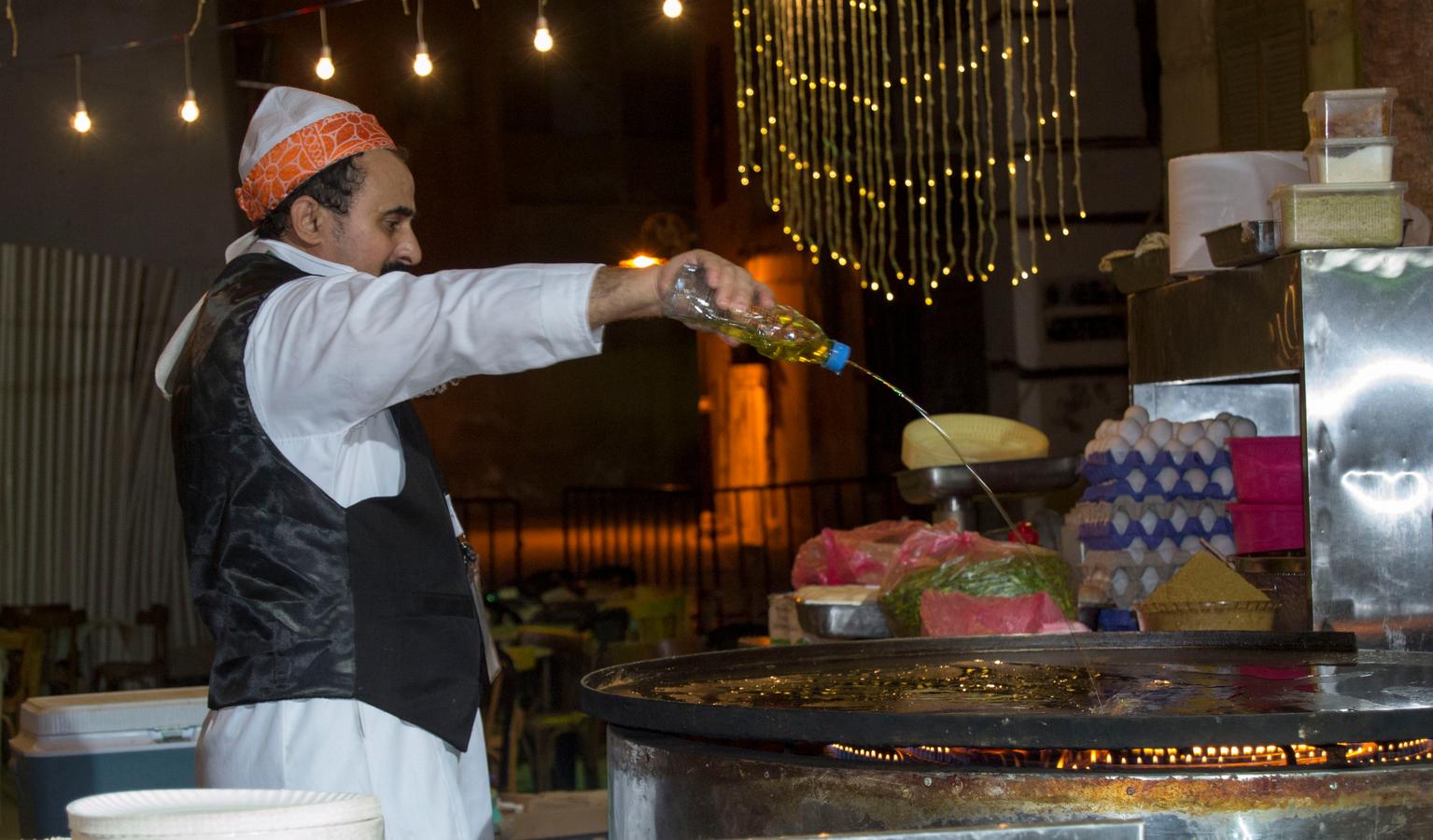
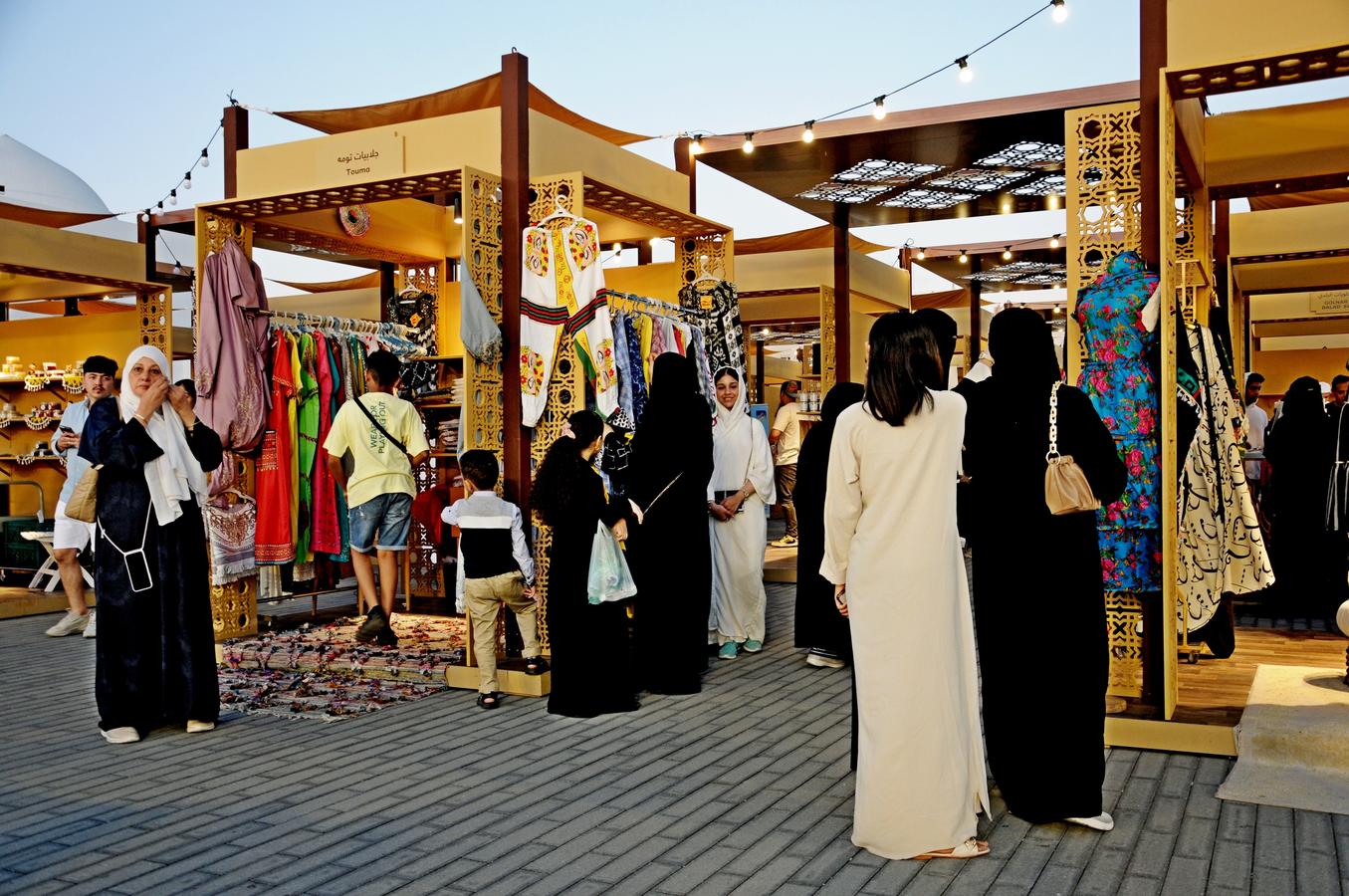
What matters is the emergence of public cultural life — book fairs, exhibitions, film screenings and concerts — giving Saudis shared reference points in a society that long relied on private expression.






 Sep 24, 2026
0 Comments
No comments yet. Be the first to comment!