 Oct 25, 2025
 Comments
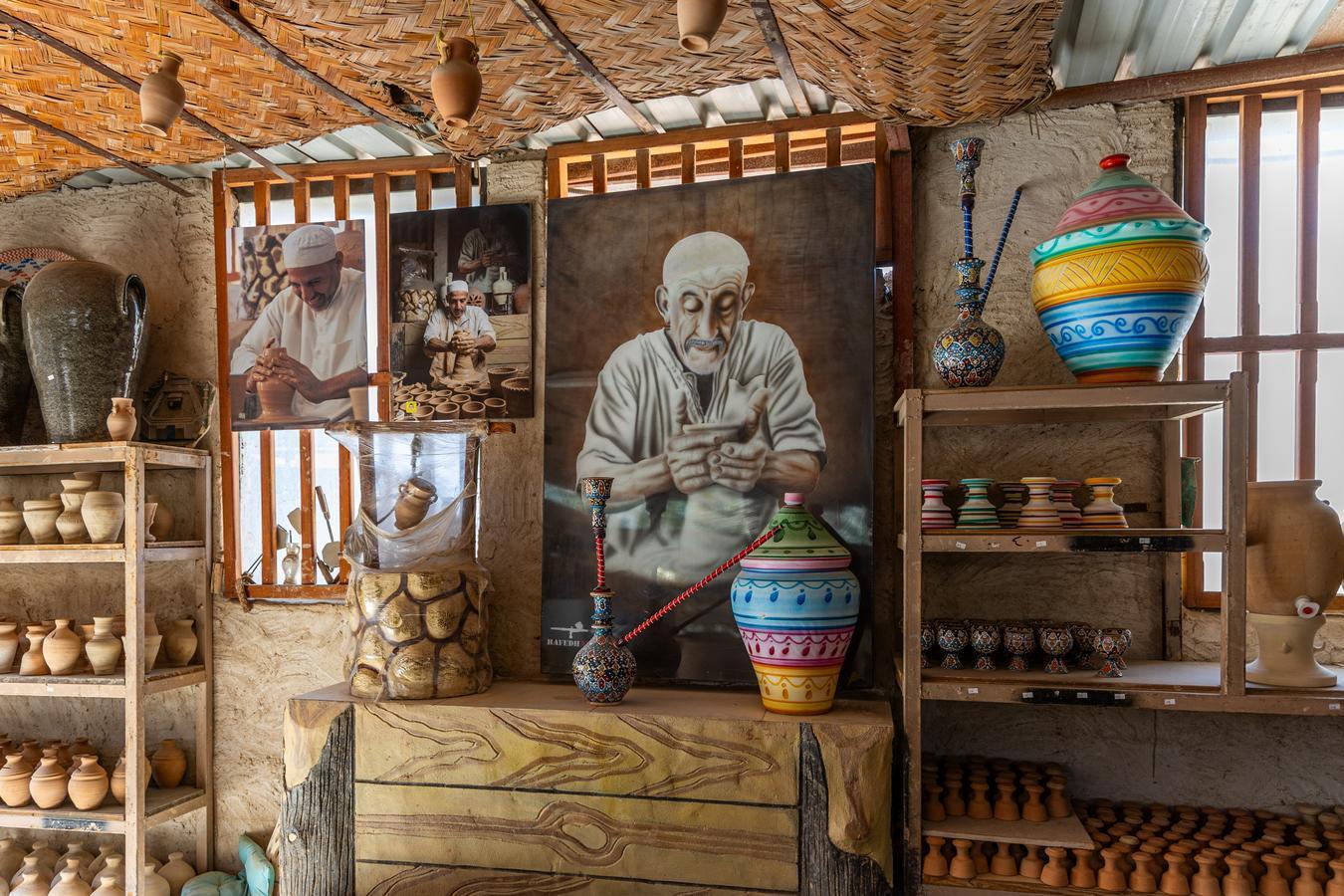
Kristin Smith Diwan’s essay “Cultural Innovation as the New Oil" published by the Arab Gulf States Institute (agsi) in Washington this week, captures a pivotal moment in Saudi Arabia’s transformation. Her reflections on the recent Cultural Investment Conference in Riyadh — and on culture’s growing role in the national economy — resonate strongly with anyone who has witnessed the country’s social shifts firsthand. For those of us who lived through a quieter, more private Saudi Arabia, the scale and openness of this shift still feel remarkable.
Art, existing in the way it does today in Saudi Arabia, still feels faintly surreal. For those who grew up in the 1980s, when “culture” meant a handful of school drawings and a few imported cassette tapes, the idea of book fairs, galleries, and film festivals would have sounded like fiction. Books, when they appeared, were school-issued or religious — certainly not something to browse for pleasure.
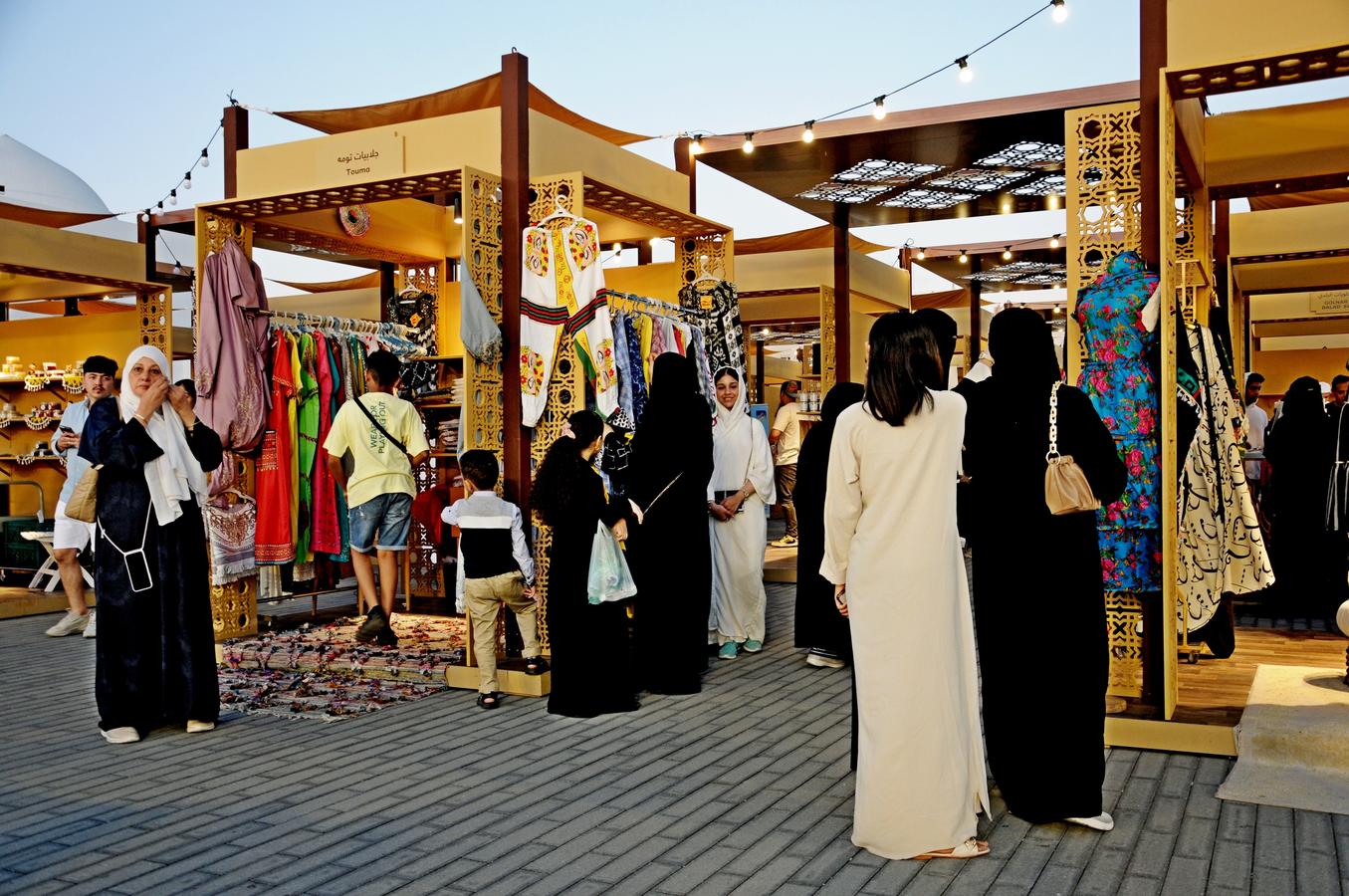
Today, the shelves have filled out. The annual Riyadh International Book Fair attracts thousands, artists exhibit across Saudi Arabia, and fashion has found a confident local accent. Creativity, once a quiet pastime, has become a public pursuit.
Yet it would be wrong to say that art was ever absent. It simply lived in smaller, safer corners — at women’s schools, in home tailoring projects, or in quiet sketches kept from view. Even music and dance survived in private gatherings, faint but persistent. What’s changed is not invention but permission: expression has moved from the living room to the main stage.
This revival has also redefined how Saudis connect with one another. The spaces that once separated art from daily life — classrooms, salons, private homes — have given way to galleries, festivals, and public installations. Culture has become not only something to consume but a way of being seen and heard.
Still, the real challenge lies ahead: to treat culture as more than a showcase — to fund it steadily, not ceremonially; to nurture it as an ecosystem, not a slogan. For now, though, it’s hard not to marvel at the transformation. A country once short on books now debates literary prizes. The sound of creativity, once faint, has turned into a confident chorus.






 Oct 18, 2026
0 Comments
No comments yet. Be the first to comment!