 Jan 27, 2026
 Comments
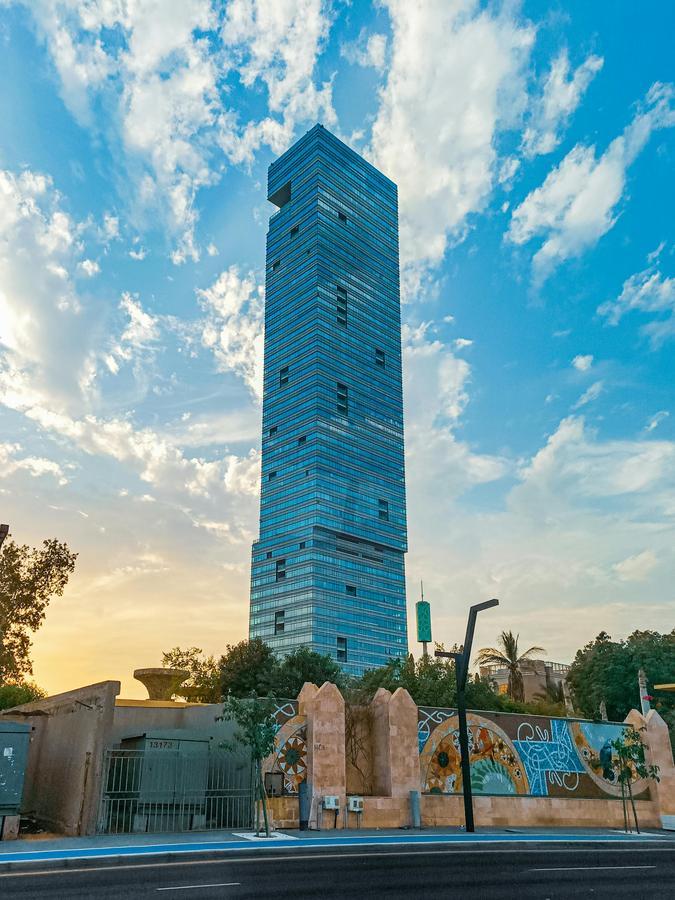
Over the past year, articles on the Saudi real estate market have multiplied. Some focus on regulatory changes easing ownership rules for expatriates; others on rising prices, rent controls, or attempts to regulate a fast-moving sector. Like much else in Saudi Arabia today, property is no longer static. It is adjusting—quickly, visibly, and sometimes uncomfortably.
For decades, real estate in the Kingdom operated informally. Deals were made through word of mouth. Agents were rarely professionalised, often treated as middlemen rather than market actors. Transparency was limited; pricing even more so. That era is ending. The Saudi housing market is becoming regulated, institutionalised, and scrutinised—by residents, investors, and foreign media alike. What once felt improvised now requires calculation.
The German newspaper Frankfurter Allgemeine Zeitung published this weeknd an article on rel estate market in Riyadh, while Bloomberg noted this week that housing policy is one of the tools Saudi Arabia is using to attract expatriates. Property has moved from a private concern to a public one, sitting squarely at the intersection of economic reform and everyday life.
An article I came across recently on the cost of living in Saudi Arabia, driven largely by rising rents, tried—though imperfectly—to compare Riyadh and Jeddah. Its most useful insight, however, was not numerical. Cost of living, it argued, is not only about prices. It is about how people live: which city they choose, what salary feels “liveable,” and how families balance opportunity with daily stability.
That is where economic transformation becomes personal—not in policy documents, but in rent contracts and monthly budgets. For many households, it is no longer about ambition alone, but about continuity.
Saudi Arabia is hardly alone. Across global cities, housing costs are rising faster than wages. Governments everywhere are struggling to balance growth, development, and liveability. Yet for anyone trying to renew a lease in Riyadh’s Al-Malqa or Al-Nakheel districts, this does not feel like a global trend. It feels immediate, negotiated line by line.
In response, Saudi authorities have introduced measures such as a five-year pause on rent increases in Riyadh and updated housing support regulations to clarify eligibility and access. These steps do not remove pressure, but they signal a shift—from observing the problem to engaging with it. Whether these policies reach the ground, or remain announcements that landlords work around, is now the key question.
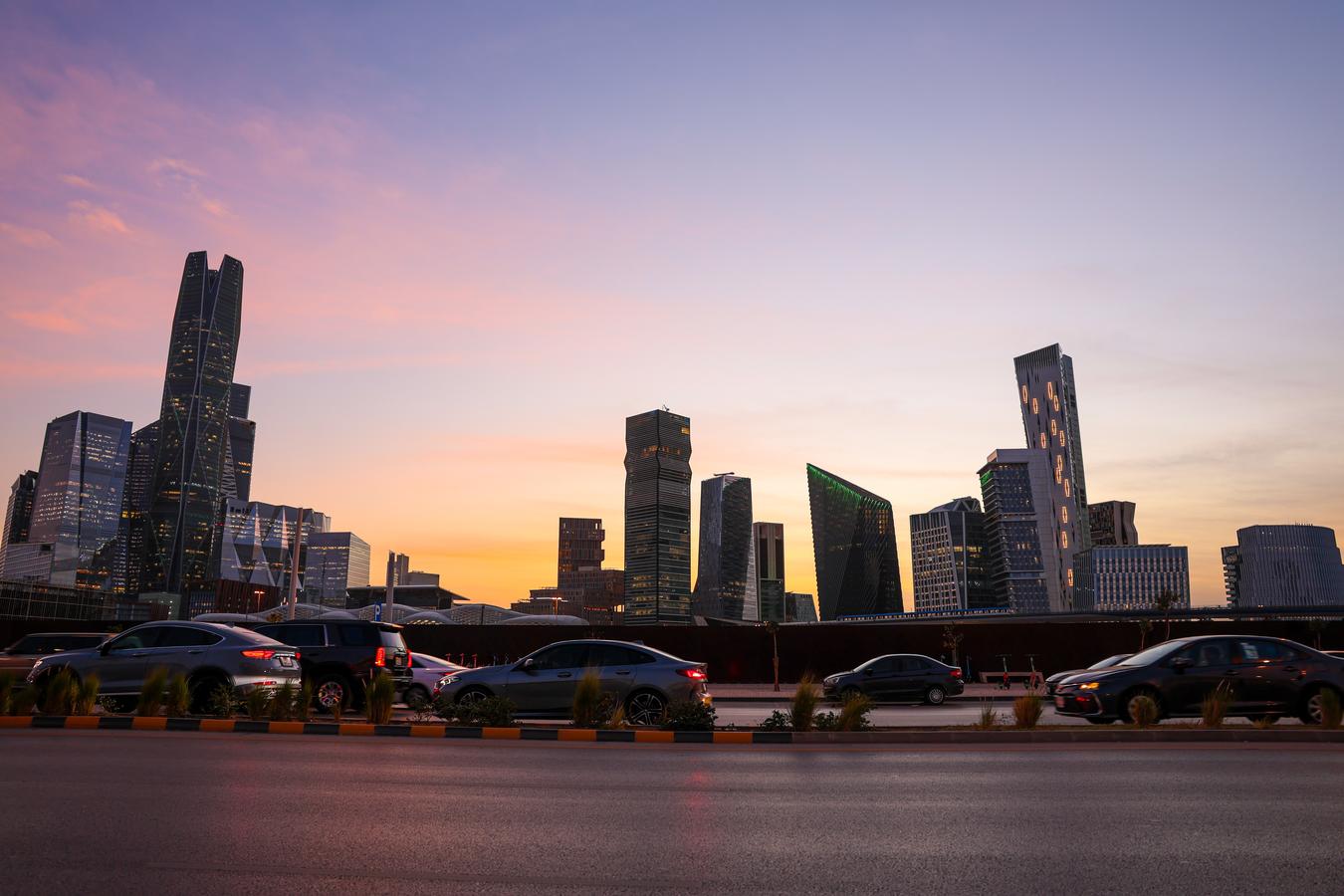
Riyadh has become the focal point of rising housing costs. The city increasingly resembles London during a growth surge: companies arriving rapidly, demand outpacing supply, and salaries stretched in ways that were uncommon only a few years ago. Some residents are moving further north simply to maintain the same lifestyle, trading shorter commutes for affordability. What used to feel temporary now demands long-term decisions.
Jeddah, by contrast, feels closer to Lisbon or Valencia. Prices are rising, competition exists, but there remains more room in the middle of the market—particularly for families planning ahead rather than reacting month to month. The comparison between Riyadh and Jeddah living costs is no longer abstract. It is personal. It determines whether a salary works—or doesn’t.
Other expenses tell a more balanced story. Fuel remains inexpensive by international standards. Groceries and utilities sit somewhere between Madrid and Dubai. Dining out and basic services remain manageable—if housing is under control.
The real calculation begins when people ask, “What’s your rent?” before they ask about your salary. For expatriates especially, the challenge is that wages have not always kept pace with rental growth, widening the gap between income and housing costs. This tension now defines the expat housing experience in Saudi Arabia more than lifestyle or amenities.
This is not a crisis. It is a transition—a market adjusting to a new economic rhythm. Riyadh offers scale and ambition; Jeddah offers pace and balance. One feels like acceleration; the other feels like oxygen.
The question has shifted from “Can I move?” to “Where does my life actually work?”
For many residents of Saudi Arabia today, that has become the real cost of living.






 Oct 21, 2026
0 Comments
No comments yet. Be the first to comment!