 Jan 14, 2026
 Comments
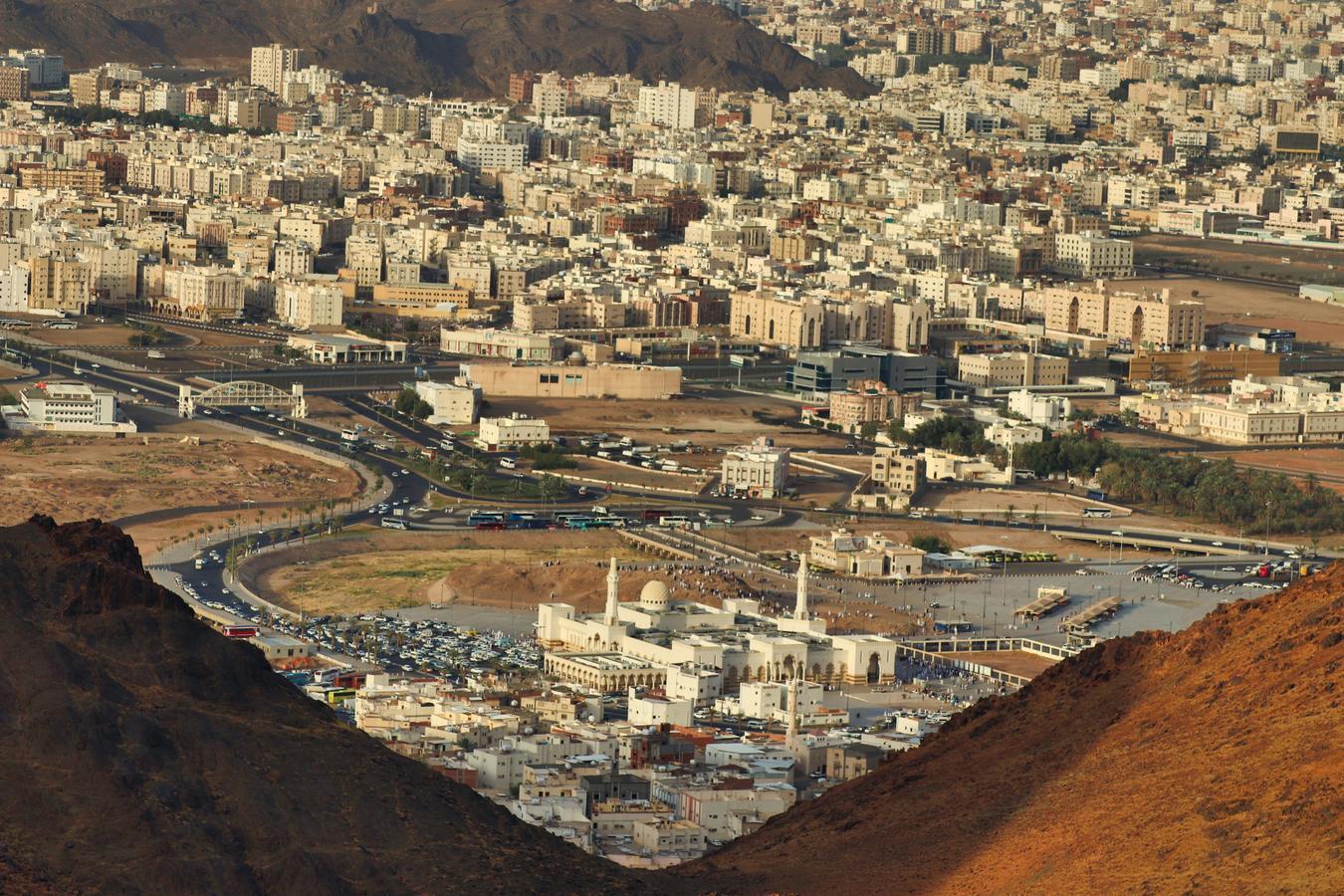
Saudi Arabia often appears, at least on a map, like an endless expanse of beige — a vast landmass stretching from the Red Sea to the Gulf. But the reality of where Saudis actually live is far more concentrated and surprisingly linear. More than 80 percent of the population is clustered along a few narrow strips of settlement, a pattern that has shaped Saudi population distribution for decades. Geography, historic trade routes, and modern infrastructure still determine the corridors where daily life unfolds. Even in a country associated with limitless space, habitability — and opportunity — gravitates toward specific urban lines.
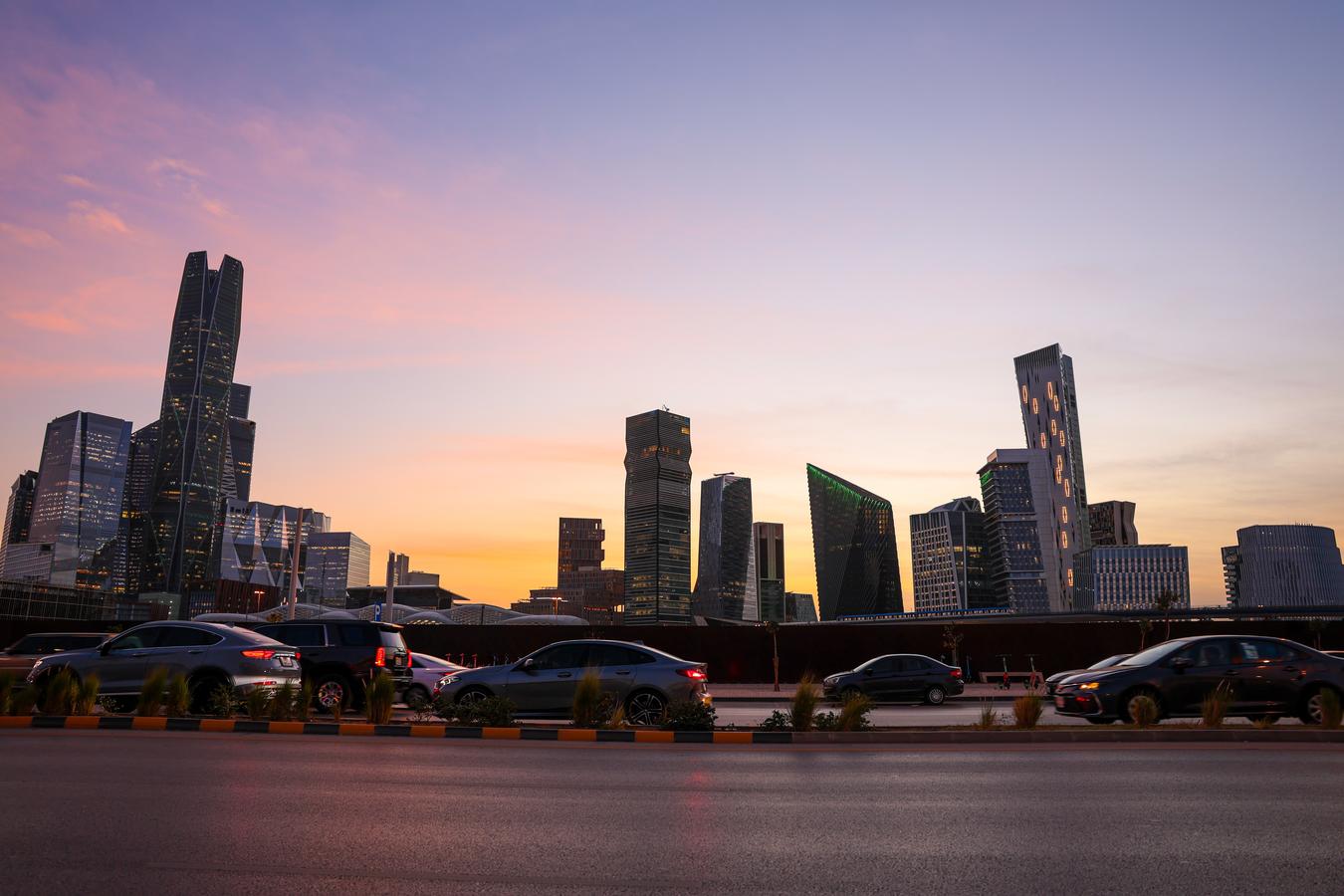
These “lines” are not accidental. Historically, Saudi settlement patterns formed around water — oases, wells, coastal access — and those old routes remain visible beneath the modern cities that replaced them. Jeddah grew along the Red Sea coast because it served as the gateway for pilgrims and traders. Riyadh, now the political and administrative centre, emerged at the crossroads connecting the plateau to the Gulf. The Eastern Province flourished alongside the oil fields that redefined the country’s economic identity. In effect, today’s urban corridors are extensions of older lifelines, reinforced by highways, ports, airports, and industrial zones.
The video’s framing makes the contrast look striking, almost stark, but anyone who has lived in Saudi Arabia knows that the “empty space” between major cities isn’t failure — it is geography. The desert still dictates the rhythm of where people live in Saudi Arabia. Temperature, terrain, and access to water remain as influential today as they were a century ago, even if the solutions are now powered by technology rather than camels and wells.
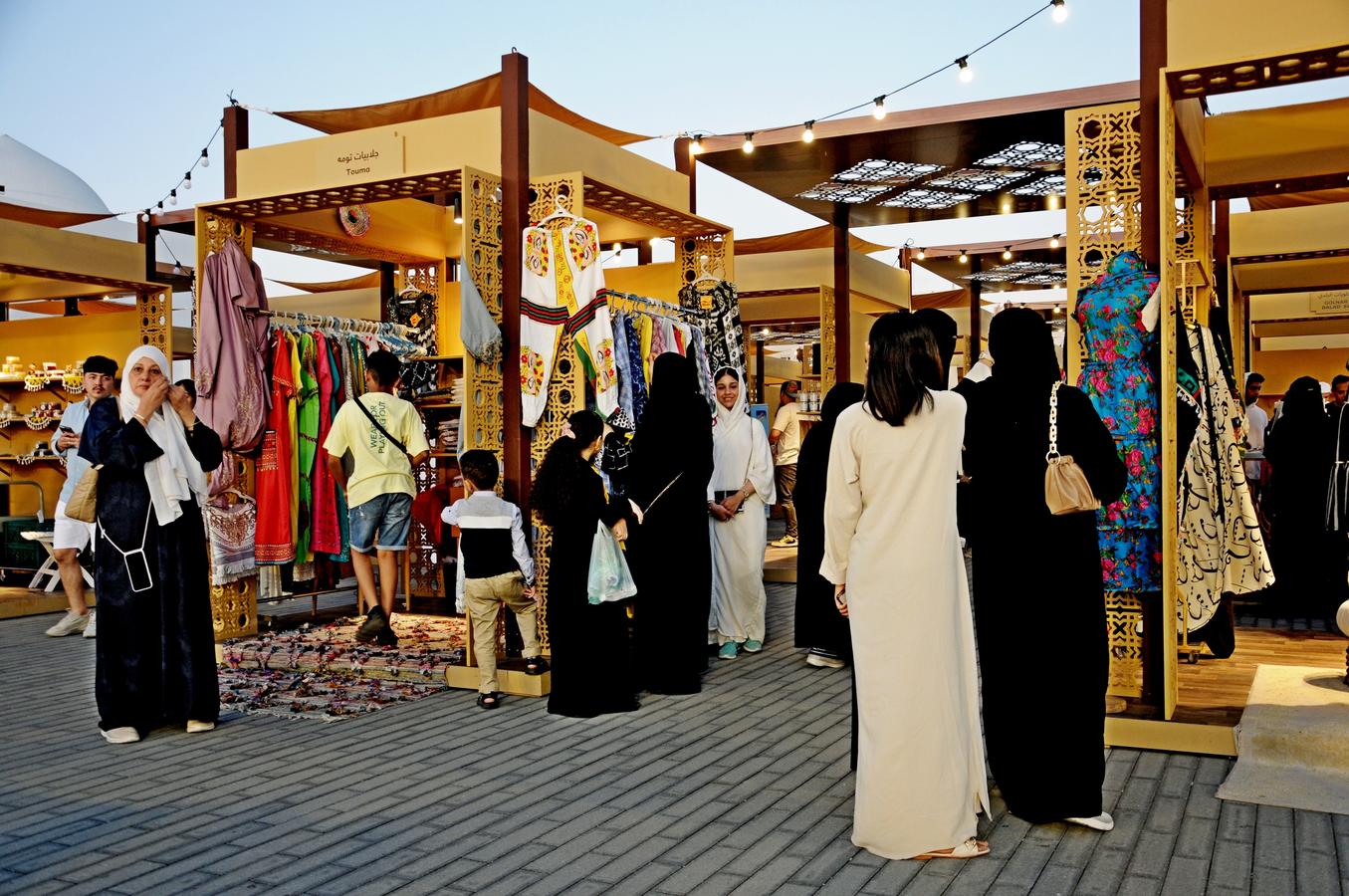
What is interesting is what this concentration means for the future. As the country expands its economic base — from tourism to logistics to manufacturing — new clusters will emerge and challenge old urban development habits. Yet the existing pattern reveals something essential about Saudi society: community is strong because people are close, not scattered. Life builds around shared hubs — whether a coastal promenade, a shopping street, a university, or a traditional neighbourhood mosque.
https://youtu.be/uz88EurZdrI?si=ZGBtSppE6J1MJpSL
Saudi Arabia may be vast, but its social fabric is surprisingly intimate. And understanding where Saudis live is often the first step toward understanding how they live.






 Oct 21, 2026

0 Comments
No comments yet. Be the first to comment!