 Nov 11, 2025
 Comments
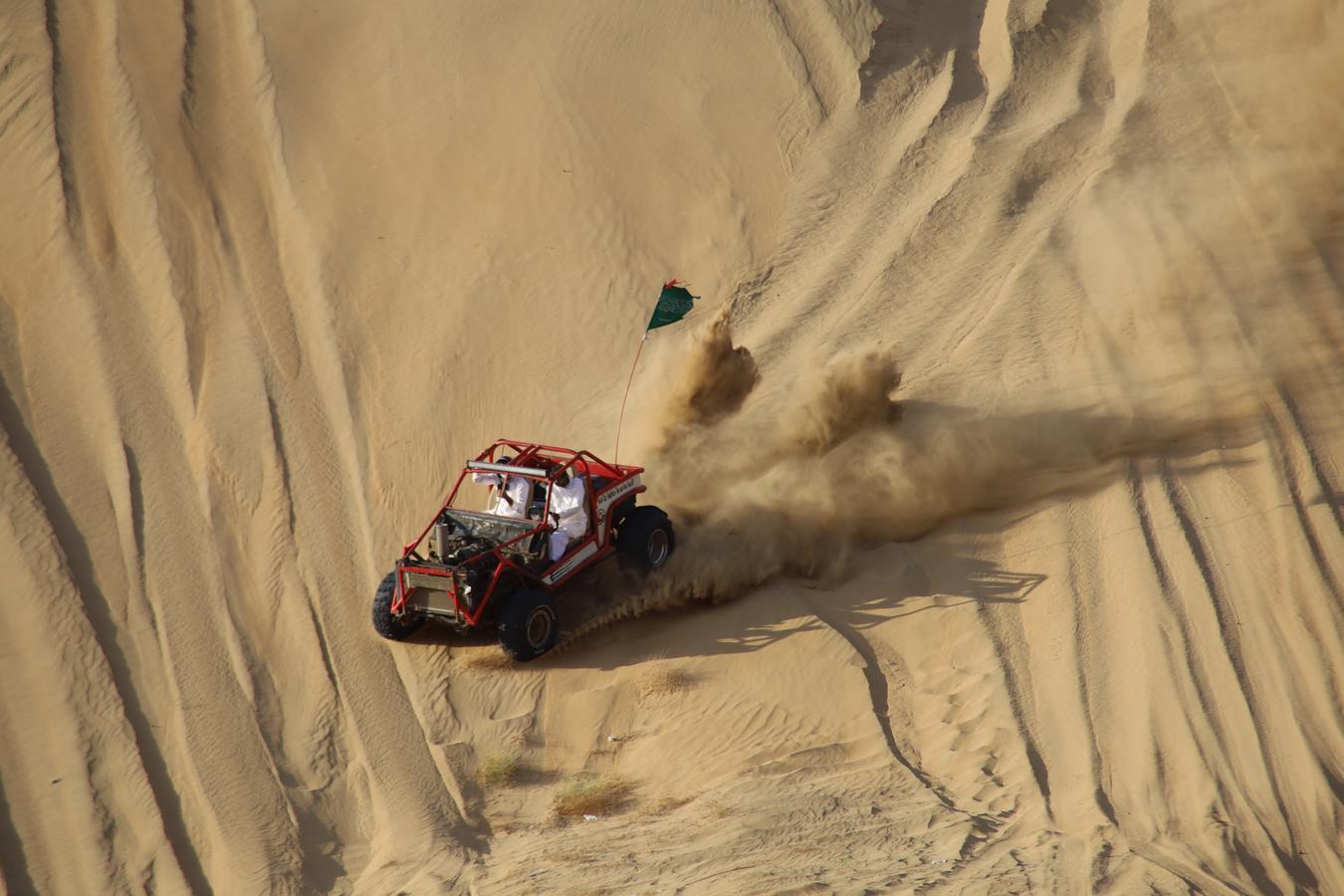
Late at night in Riyadh, headlights gather on an empty stretch of road. Engines rev, smartphones rise; a car swings into a screeching drift. The crowd cheers, the video is uploaded, and by morning the clip has spread across Saudi social media.
Few symbols trace Saudi Arabia’s transformation more vividly than the car—at once a tool of control and an escape from it. Saudi car culture is more than transport; it is theatre, identity, and community. SUVs ferry families to picnics, while students showcase Teslas or Chinese EVs at charging stations. Customised Jeeps with oversized wheels attract admiring glances. And despite official disapproval, Saudi drifting videos still command enormous online audiences.
For outsiders, it might look like mere bravado. But in a country where public life long revolved around rules and restraint, the car offered a rare space for self-expression—a moving stage where Saudis could be loud, visible, and free.
“We all complain about the danger, but everyone watches,” laughs Abdullah, a 24-year-old engineering student.
The most notorious expression of this culture is tafheet, the high-speed art of throwing a car sideways—sometimes even onto two wheels—down wide boulevards like Malek Road in Jeddah. For years, these improvised street shows drew young drivers and cheering crowds. Yet, as anthropologist Pascal Ménoret shows in Joyriding in Riyadh, drifting was never just entertainment. It emerged as a form of revolt against the alienating modern city built on oil wealth, where wide highways and empty boulevards became arenas of youthful defiance.
It was, in many ways, Saudi youth culture asserting itself through motion and risk—testing boundaries in a society where freedom was often measured in speed. I still remember hearing the roar of engines at night in Jeddah; even if you weren’t at the scene, you knew a drift was happening somewhere nearby.
The state has tried to put the brakes on the phenomenon with some of the steepest penalities in the Gulf. A first drifting offence can cost a driver SAR 20,000 and the temporary loss of their car; a second raises the fine to SAR 40,000 ($10,668) and a third brings SAR 60,000, ($16,000) the permanent seizure of the vehicle, and even the threat of jail.
Smaller infractions are targeted too: fathers once thought nothing of driving with toddlers perched on their laps but now face fines in the hundreds of riyals. Yet, as many Saudis admit, enforcement can only do so much.
“The rules are there, but the thrill is stronger,” one 19-year-old spectator shrugged on X. In the 2000s, Saudi newspapers even branded drifters “street terrorists”—a term Ménoret links to a mix of moral panic and heavy-handed policing. Paradoxically, these campaigns often amplified the subculture’s appeal, making tafheet in Saudi Arabia not just a pastime but also a badge of defiance.
Cars have long been central to life in Saudi Arabia. Vast distances, cheap fuel, and a youthful population made driving both practical and symbolic. Riyadh’s sprawl itself, funded by oil revenues, virtually demanded the car. For young men, the vehicle was often the first taste of independence. For women, the lifting of the driving ban in 2018 turned the steering wheel into a symbol of autonomy.
“The first time I drove alone,” says Reem, a 29-year-old consultant, “I felt like the city finally belonged to me.”
A friend once told me that her first solo drive felt like a private celebration—a moment no one else could fully understand unless they had waited for it as long as she had.
Today, the Saudi driving conversation reflects two currents. One celebrates continuity: speed, style, and weekend meet-ups remain beloved rituals. The other reflects change: stricter traffic laws, rising insurance, and a growing appetite for electric cars in Saudi Arabia. Lucid’s new plant in King Abdullah Economic City, widely discussed online, has turned EV ownership in Saudi Arabia into a marker of sophistication.
Saudi drivers also carry a reputation across borders. “When I see a car with Saudi plates, I’m extra careful,” admitted a taxi driver in Dubai. “You don’t know what to expect.” The remark may be tongue-in-cheek, but it echoes widely shared stories of hair-raising road manners. A German expatriate once dubbed the “Jeddah swing”—a manoeuvre in which a driver cuts from the far left lane to the far right without signalling—as the ultimate Saudi move.
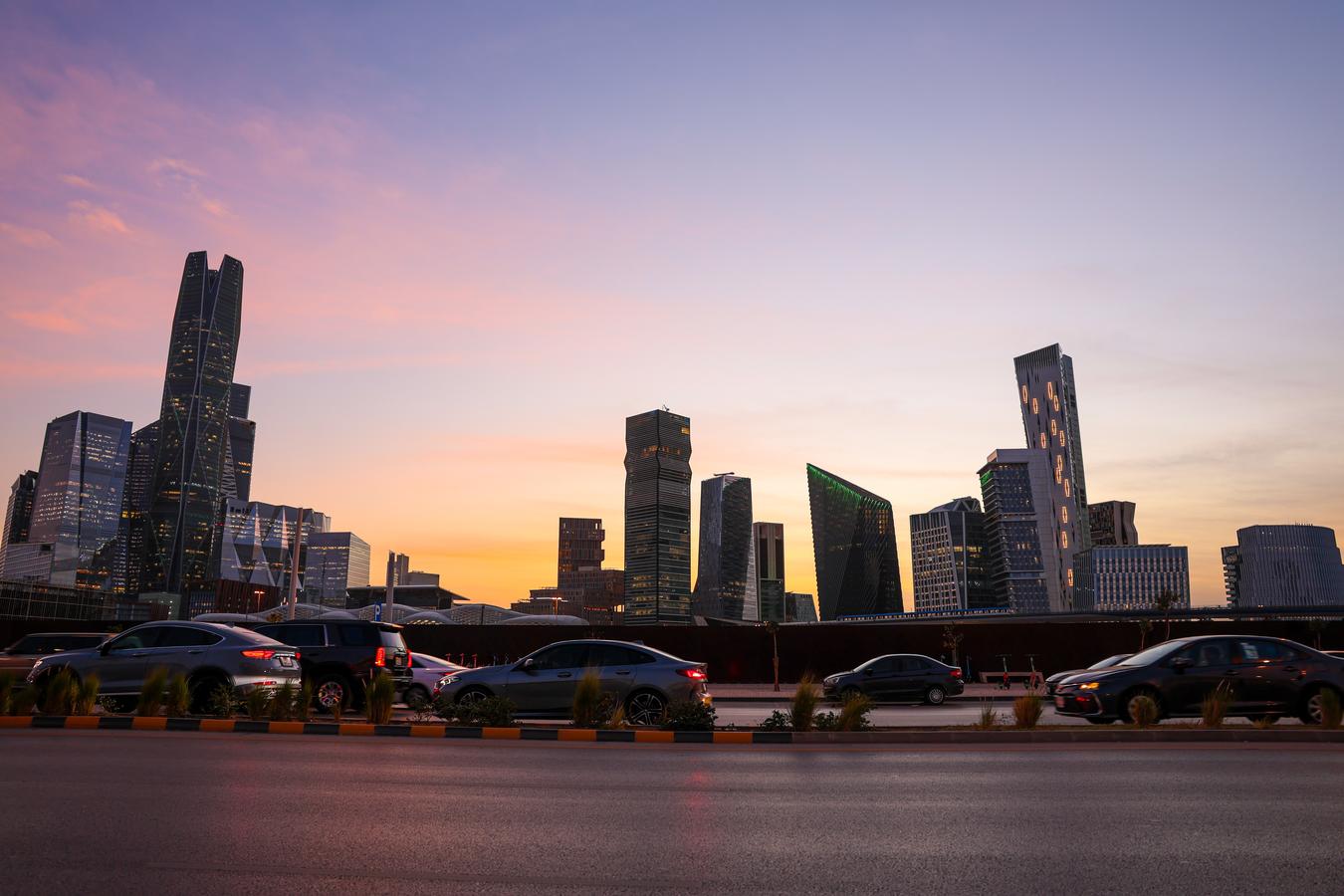
Yet cars are more than metal and rubber: they are metaphors for Saudi society itself—fast, competitive, and occasionally chaotic. Memes about Riyadh traffic are as viral as influencer clips of luxury interiors. Complaining about parking at the mall is practically a national sport.
As one widely shared post joked: “The real marathon in Saudi is finding a parking spot on Thursday night.”
What looks like chaos on the roads, Ménoret argues, is also a mirror of a society negotiating modernity, authority, and freedom through the very spaces designed to regulate it. The Saudi street is thus more than asphalt. It is a stage where frustrations are vented, ambitions displayed, and identities performed—one drift in Saudi Arabia, one traffic jam, and yes, one Jeddah swing at a time.









 Oct 21, 2026
0 Comments
No comments yet. Be the first to comment!