 Aug 26, 2025
 Comments
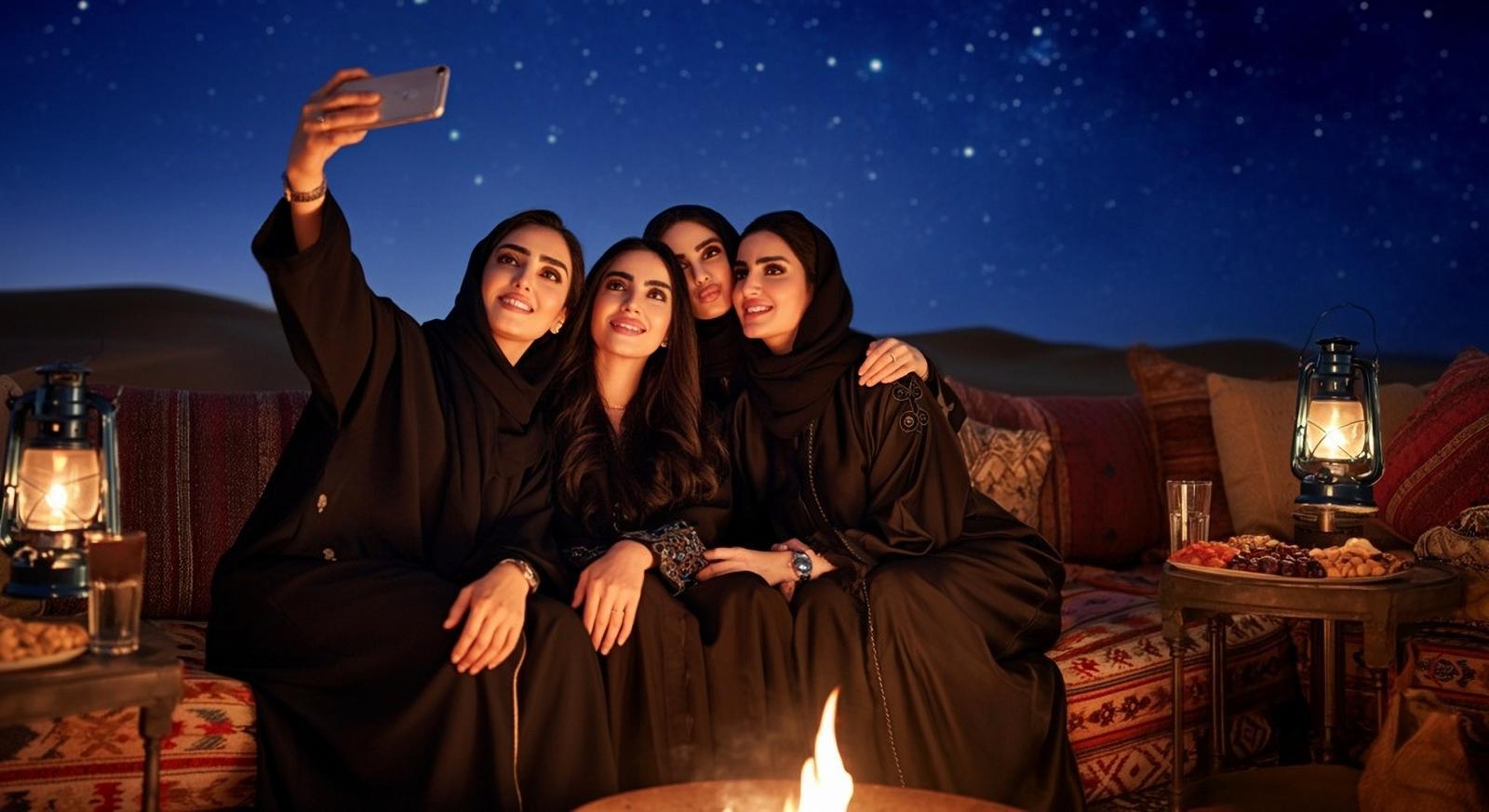
In Saudi Arabia, where social change is accelerating, a selfie is never just a selfie. A 2025 study by A. Muyidi ffound that young Saudis think carefully about how they present themselves online. Their posts are not random; they are shaped by a mix of strategies—wanting to appear good, likable, or successful. The study also found that the more intensely these platforms are used, the more likely young people are to feel anxious or insecure. What looks like easy self-expression is often a careful balancing act between family expectations, social reputation, and personal individuality.
This balancing act is not unique to Saudi Arabia, but it takes on a sharper edge in a society where tradition still matters deeply. Even language is caught up in the change. A new book, Algospeak, shows how algorithms around the world influence the words people use, turning online slang into markers of belonging. In Saudi Arabia, something similar has happened with Arabizi—Arabic written with Roman letters and numbers. For older generations, it feels like a threat to culture; for teenagers, it is just the natural language of their digital lives. The debate reflects a larger tension between preserving heritage and adapting to new forms of communication.
Social media has also become the new majlis. Once, reputations were made and relationships tested in living rooms and courtyards. Now the same happens on Instagram, TikTok, or X. Influencers promote glossy images of Neom’s turquoise seas, dentists carefully shape their professional image online, and students weigh every selfie against how it will be read at home. Unlike the old majlis, though, the digital version is global, permanent, and always open to judgment.
These shifts show both the power and the pressure of digital life in Saudi society. Social media has given young people tools to express themselves and to connect with audiences unimaginable only a decade ago. But it also adds new burdens: the need to perform constantly, the fear of reputational damage, and the pressure to fit into multiple worlds at once. For Saudi youth, social media has become a mirror—reflecting their hopes, their anxieties, and the ongoing negotiation between tradition and individuality. Whether this mirror leads to greater openness or simply to more carefully crafted illusions remains to be seen.







 Oct 21, 2026
0 Comments
No comments yet. Be the first to comment!