 Dec 7, 2025
 Comments
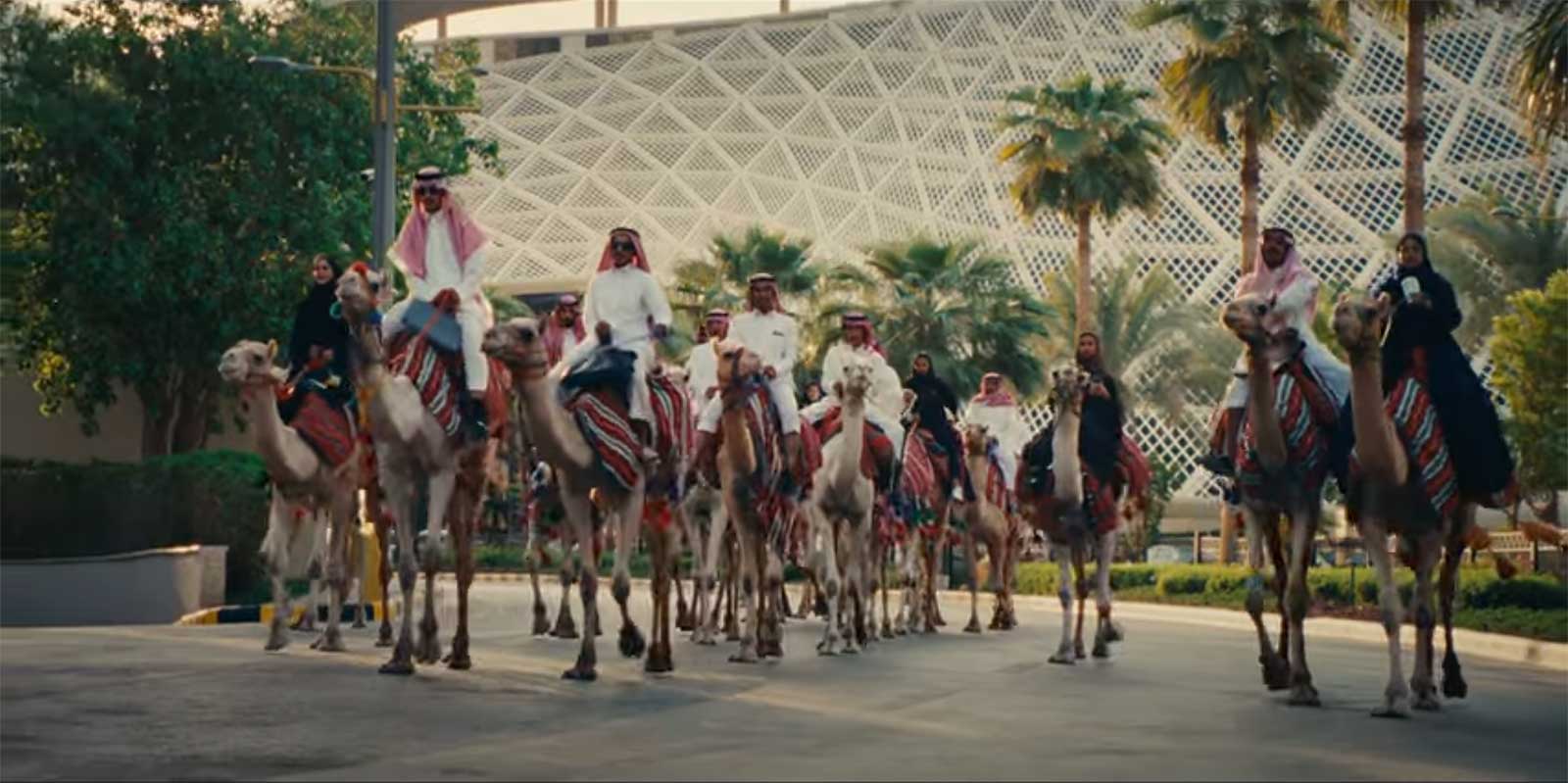
For years, Saudis have been flattened into a familiar trio: oil, camels and endless sand.
The new Saudi tourism campaign from the Tourism Development Fund takes those familiar Saudi stereotypes and flips them with a wink. A man rides a camel to work; a family gazes at an oil rig sitting casually in their backyard. The exaggeration is deliberate. So is the confidence.
What makes the ad striking is not its humour alone, but its attitude. Rather than rejecting outdated perceptions of Saudi Arabia, it plays with them — lightly, drily, almost mischievously. The tone is unmistakably Saudi: understated, unbothered, and rooted in the sense that the country no longer needs to explain itself. It is commentary from within, delivered with a smile rather than a lecture — a shift that mirrors how modern Saudi Arabia now responds to outside assumptions.
What I appreciated most is how the campaign turns even the most sensitive clichés on their head — the tropes that once signalled Saudi Arabia’s supposed lack of progress, including outdated perceptions about women’s mobility. These were once sources of discomfort or defensiveness; now they are addressed openly, even playfully. That shift alone feels like a quiet relief, and a telling marker of how confidently the country now navigates its own narrative.
That self-possession is the campaign’s real achievement. There are no grand claims about a changing nation, no breathless declarations of transformation. Instead, the video captures something more subtle: a society settling comfortably into its own rhythm, where tradition and modern life coexist without ceremony. A camel and a skyscraper can share the frame because, in reality, they do — a contrast that captures the layered nature of Saudi culture today.
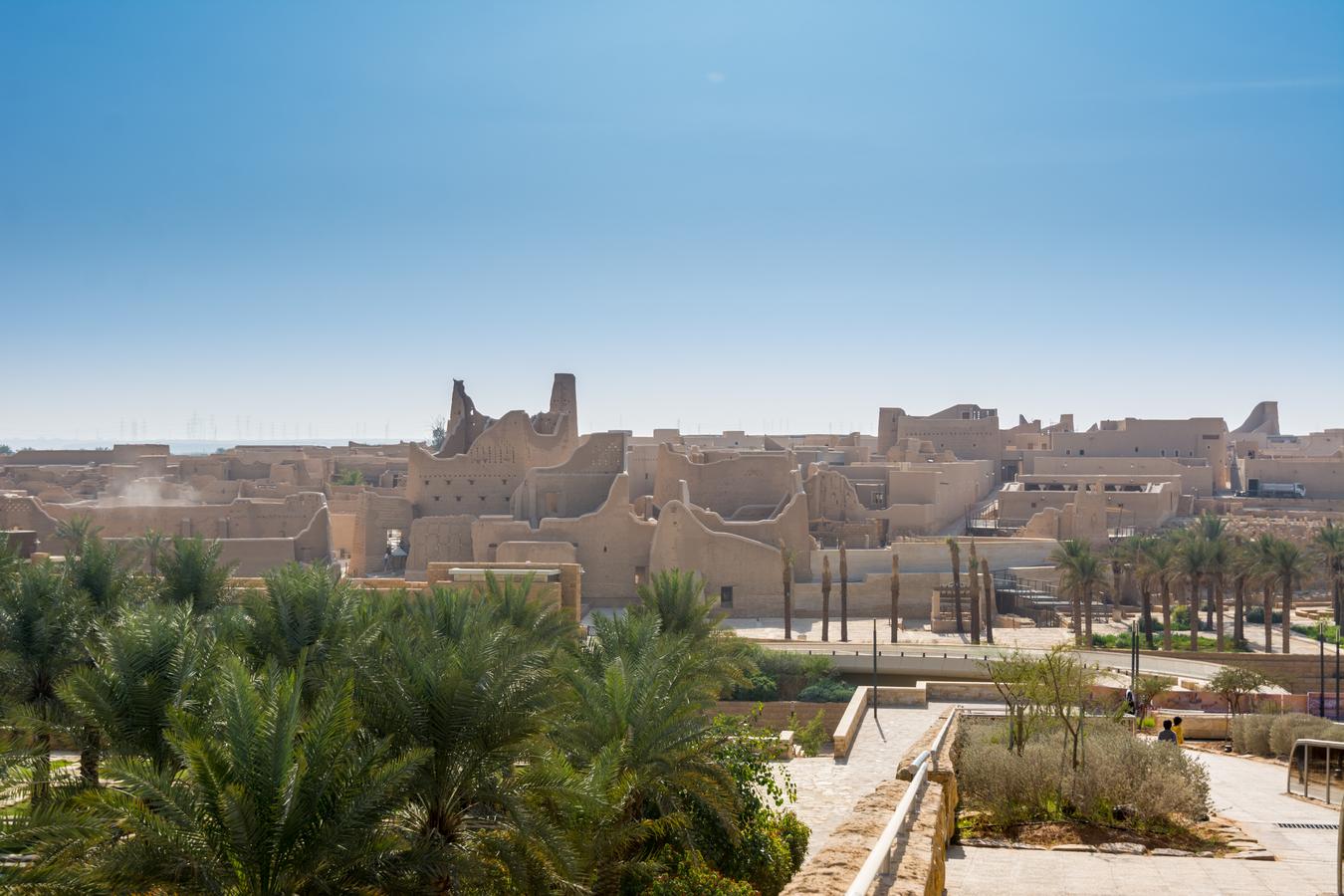
Tourism, in this reading, becomes more than a sector. It becomes a mirror, reflecting how Saudis see themselves and how they want to be seen. For decades, outsiders encountered the country largely through pilgrimage; now Saudi Arabia tourism invites visitors to discover its other landscapes — cool highlands, coastal towns, and cities that feel both new and oddly familiar.
Of course, reputations do not change overnight. A clever advert can spark curiosity, but the deeper shift comes later — in the warmth of everyday encounters, in conversations over coffee, in the stories travellers carry home.
That is why the campaign resonated with me. As a Saudi, I have lived with these caricatures and often wondered when they would fade. Watching them turned upside-down — claimed, mocked and reimagined — feels unexpectedly liberating. It is humour with purpose, but delivered lightly enough not to feel purposeful at all.
In the end, the campaign feels less like advertising and more like a quiet marker of confidence — a Saudi Arabia willing to laugh at how it was once seen, and increasingly assured in how it chooses to present itself.







 Sep 24, 2026
0 Comments
No comments yet. Be the first to comment!