 Nov 21, 2025
 Comments
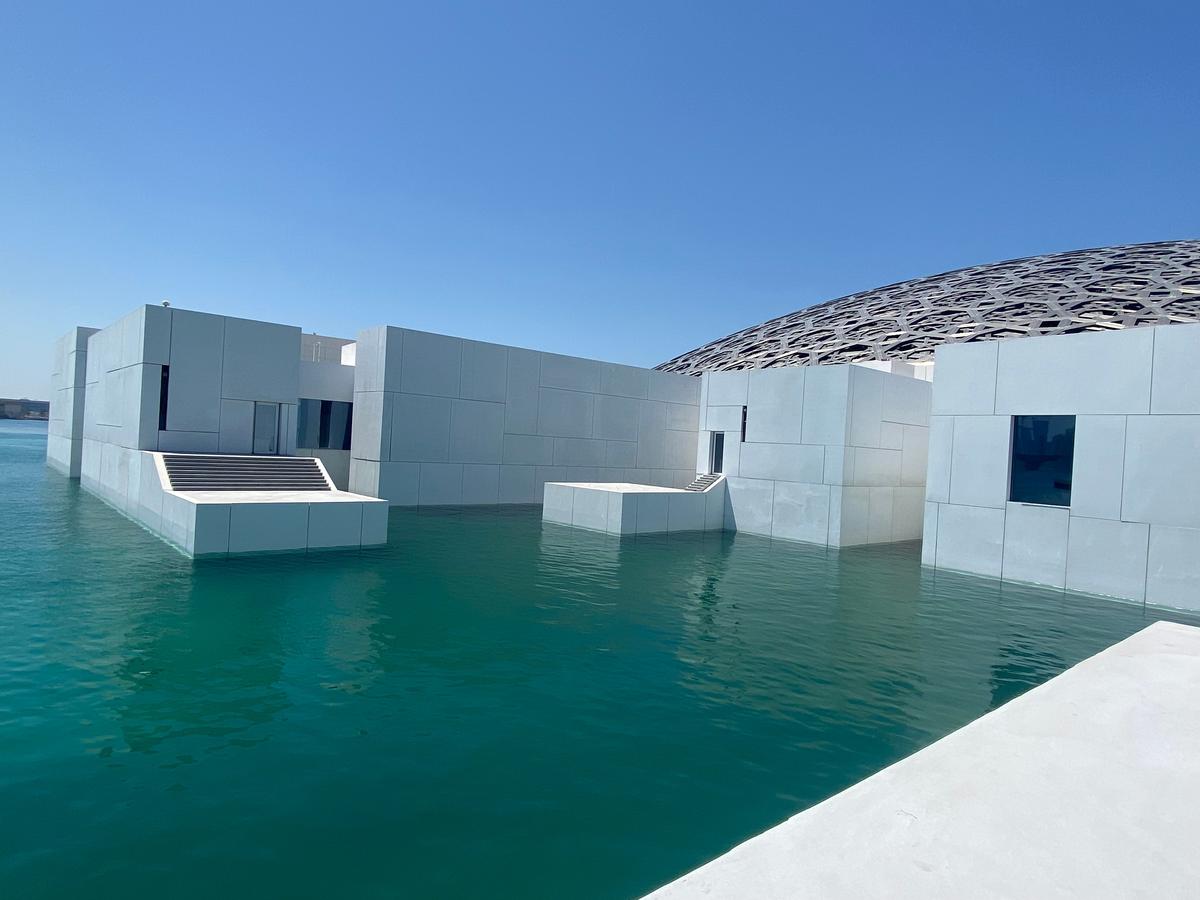
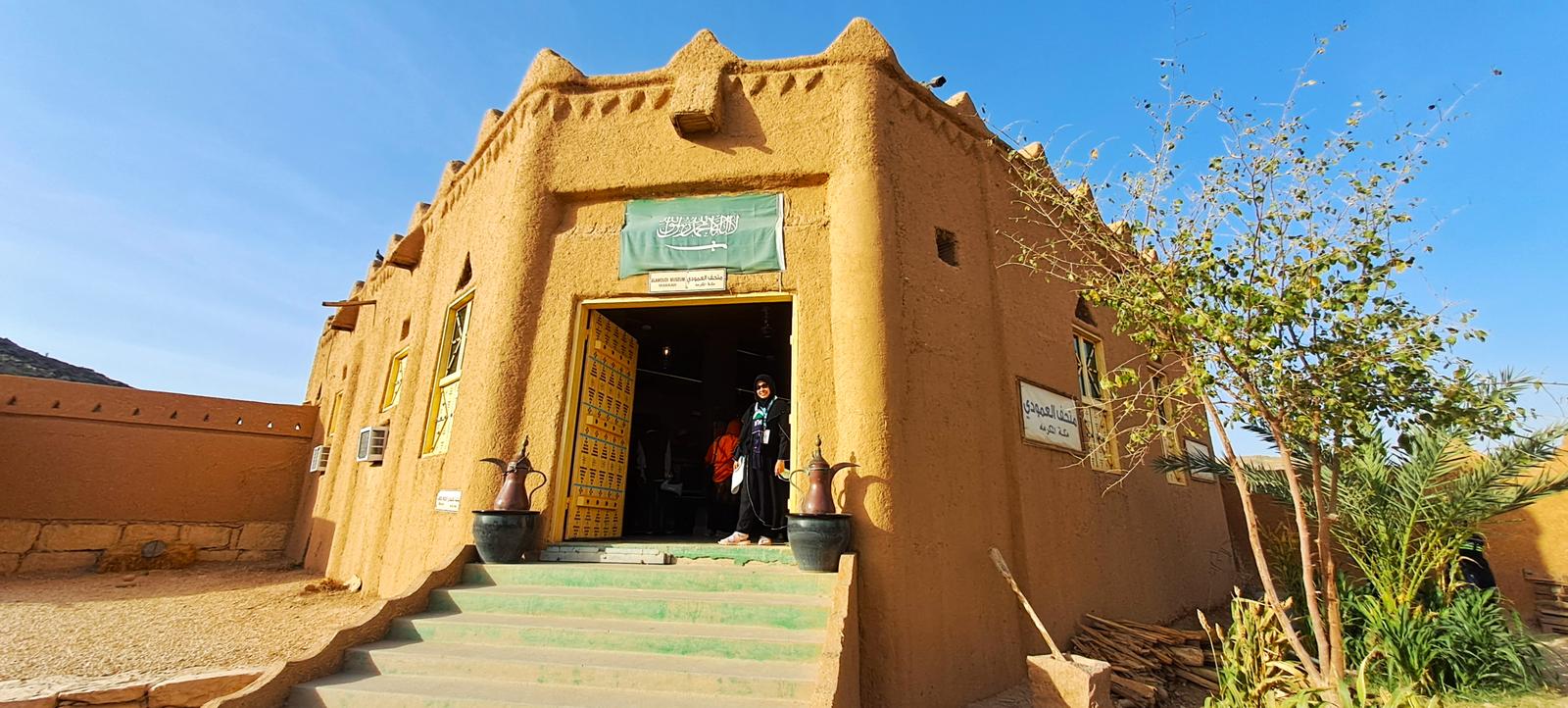
After reading the speech delivered by Zaki Nusseibeh, the Cultural Advisor to the President of the UAE and Chancellor of UAE University, at ICOM Dubai 2025, I was struck by how clearly it captures a shift many of us in the Gulf have been navigating. As one of the UAE’s leading cultural figures and a long-time contributor to the country’s intellectual and artistic landscape, Nusseibeh frames museums not as static rooms of memory but as active instruments shaping how societies understand themselves during a moment of rapid transformation.
In his vision, museums sit at the intersection of identity, innovation, and civic purpose — a framing that resonates far beyond the UAE. Beneath the polished language lies a broader regional truth: the Gulf is moving decisively from nostalgia to participation. This is now central to debates on Gulf heritage, cultural preservation, museum development, and the future of cultural institutions in the Middle East.
Across the region — and perhaps most urgently in Saudi Arabia — cultural institutions are being asked to perform a delicate balancing act. They must safeguard a fragile, diverse heritage while speaking to a generation that has little patience for traditional, top-down instruction. Young Saudis want to engage, question, and contribute. They expect culture to be something living, not a fixed inheritance frozen behind glass. This shift matters because it changes the relationship between citizen and history: a museum visitor becomes a participant in a national conversation about identity, belonging, and change.
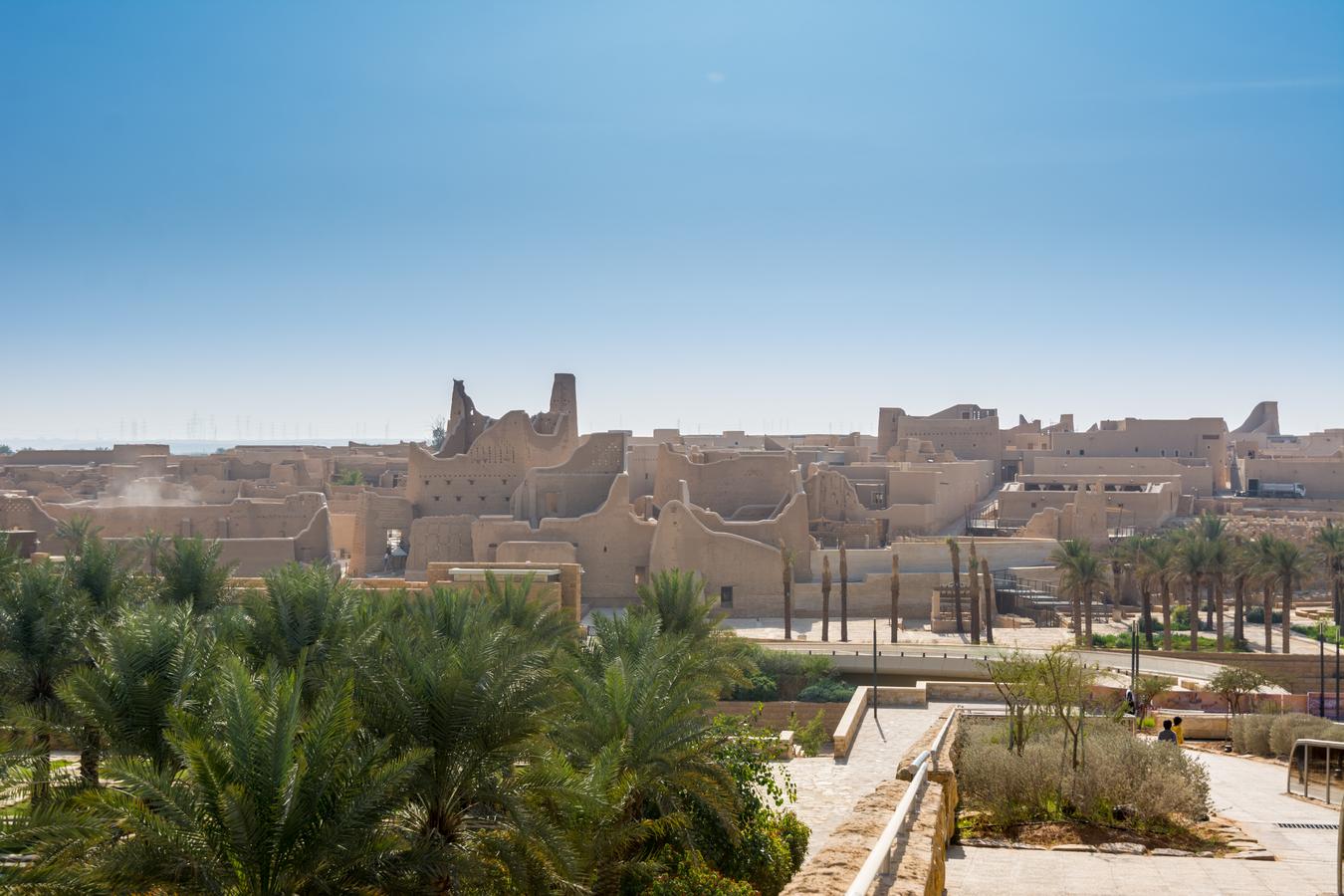
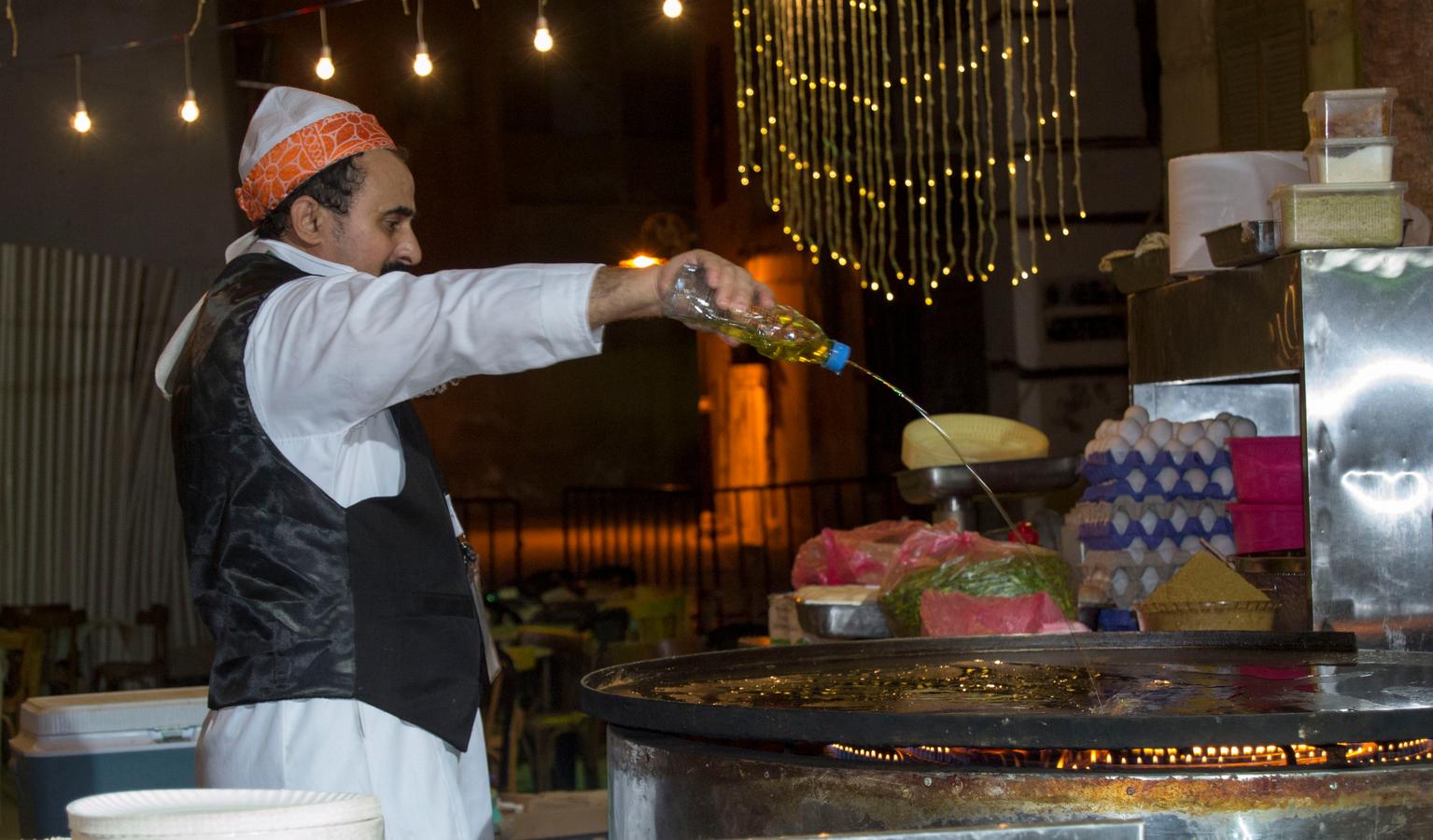
For Saudi society, the stakes are especially high. For decades, heritage lived primarily within families — in oral storytelling, in traditional gatherings, and in the details of everyday communal life. It was intimate, uncurated, and often undocumented. As life accelerated through urbanisation, digitisation, international education, and new economic ambitions, parts of that heritage began to thin out. Museums, if built with intention and sensitivity, can help reconnect Saudis to that quieter world: the story of Red Sea trade routes, Hijazi urban culture, Bedouin knowledge systems, the heritage of mountain and oasis communities, and the layered identities that shaped modern Saudi Arabia.
Equally important, museums help younger Saudis understand the pace and context of transformation. They create a space where continuity and innovation negotiate with one another — where visitors can ask what should be preserved, what can evolve, and what must be reimagined.
The awareness needed now is simple but profound: cultural preservation is not nostalgia; it is civic responsibility. The future of Gulf museums will not be defined by architecture alone, but by whether they allow societies — including Saudis — to recognise themselves across time: past, present, and the futures they hope to build. In a region often preoccupied with speed, that deeper cultural confidence may be the most valuable investment of all.






 Sep 24, 2026
0 Comments
No comments yet. Be the first to comment!