 Jan 20, 2026
 Comments
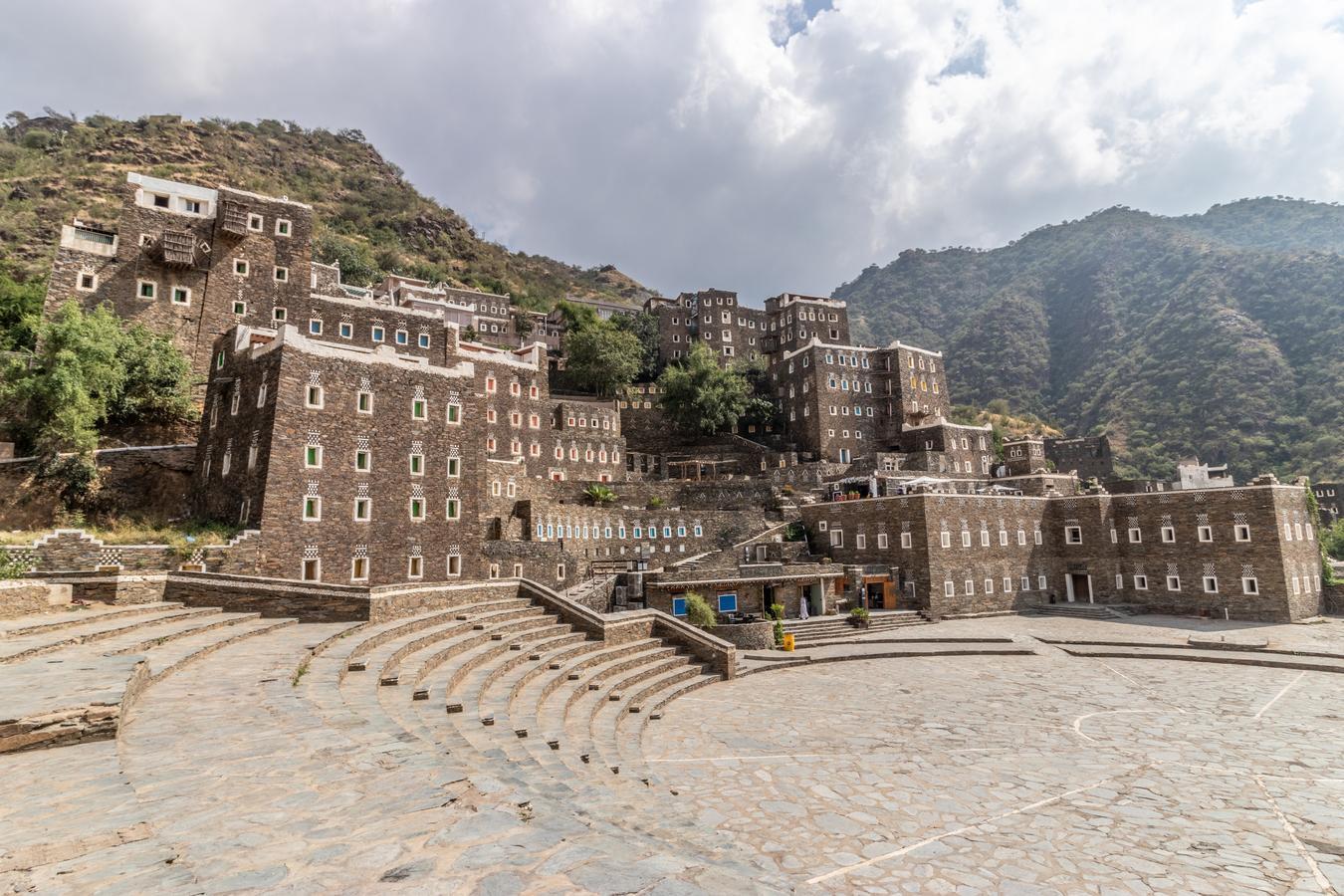
I have been reading far more about tourism in Saudi Arabia recently, and the rising figures still catch me off guard. In the 1980s, when I was growing up, the idea of “tourism” in Saudi Arabia felt almost abstract to many Saudis. There was little infrastructure and even less interest. Travel existed, of course, but not as an organised industry, nor as a shared ambition. Encountering a the Los Angeles Times article, by a journalist travelling from Los Angeles to Abha of all places therefore felt like a quiet marker of how far perceptions have shifted.
What struck me most was not the destination, but the tone. The piece avoided spectacle and familiar tropes. Instead, it approached Abha—now increasingly framed as a Saudi Arabia travel destination—with a restrained curiosity, closer to the rhythm of the place than to the language of discovery.
For decades, Abha did not lack visitors. What it lacked was tourism as an organised experience. There was no sense of arrival, no narrative, no attempt to make the region legible or appealing to outsiders. Even Saudis from the region did not “visit” Abha in the modern sense. They passed through it, used it practically, or went there quietly, almost shyly, without the vocabulary of leisure. Abha was lived in, not marketed.
Foreigners were present too, though in smaller numbers. They often experienced the region differently—not because Abha was designed for them, but because they arrived with fewer social constraints and different expectations. They wandered without signage, lingered without itineraries, and interpreted the landscape on their own terms. Saudis, by contrast, came with familiarity rather than curiosity. Tourism existed, but unevenly: shaped by climate, habit, and privilege rather than policy.
That is why the recent Los Angeles Times piece feels less like a discovery story and more like a reframing. Abha is not introduced as something new, but as something long overlooked. The article captures the region’s visual appeal—the fog rolling over the mountains, the terraced farms, the sudden drops along the escarpment—but its deeper value lies in what it does not try to invent. The place is allowed to exist as it is.
What has changed most in Asir is not awareness, but intent. For years, the region functioned as a climatic refuge for outsiders and a matter-of-fact backdrop for locals. Mountain cafés emerged informally. Trails were unwritten. Access to nature was assumed rather than regulated. Tourism was inward-looking, underdeveloped, and largely indifferent to experience.
As one longtime resident put it, “People came because they knew Abha, not because Abha was prepared for them.” Another recalled seeing foreign visitors decades ago and thinking, “They were curious, but there was nothing here that spoke to them.”
Today, that is no longer the case. In 2024, Saudi Arabia recorded roughly 116 million domestic and inbound tourist trips, including nearly 30 million international visitors. Abha is now positioned within a national tourism narrative, and the shift is visible. Cafés such as Bard wa Sahab on Soudah’s slopes, as well as Palm Court Café, Hira Café, and Kholod Café, host international visitors alongside Saudis who once came without expectations. Places that existed for years without fanfare are now listed among Abha’s tourist attractions and destinations in the Asir Mountains.
For some residents, this feels like long-overdue recognition. For others, it brings unease. Rising rents, housing shortages during peak months, and restricted access to familiar valleys and ridges are now part of everyday conversation. Informal gathering spaces are gradually replaced by fenced resorts and regulated trails. Older residents speak less about rejecting tourism and more about speed. “Before, nothing was rushed,” one man said. “Now everything is.”
These tensions are not unique to Saudi Arabia. In Barcelona, protests against mass tourism peaked in the summer of 2024, when more than 20,000 residents demonstrated against short-term rentals and rising housing costs. The city later announced plans to ban all short-term tourist rentals by 2028. In Athens, tourism-driven investment reshaped neighbourhoods so rapidly that authorities introduced caps on new short-term rental permits and zoning restrictions to protect residents from speculative pressure.
Saudi Arabia’s context is different, but the dilemma is familiar. As tourism growth accelerates and destinations like Abha gain international visibility, the question is no longer whether the country can build hotels or airports—it clearly can—but whether development can coexist with habit, memory, and the quieter ways people once related to place. This awareness has already prompted intervention. In September 2025, authorities imposed a five-year rent freeze in Riyadh, signalling that housing affordability is now part of the national tourism conversation.
Abha’s transformation, then, is not about introduction, but balance. Not between tourism and isolation, but between recognition and restraint. The challenge lies in developing places without overwriting what already exists, in allowing visibility without erasure.
As one Abha resident said, watching the fog settle over Soudah, “We were here before the plans. We just hope we are still here after them.”







 Sep 24, 2026


0 Comments
No comments yet. Be the first to comment!