 Aug 24, 2025
 Comments
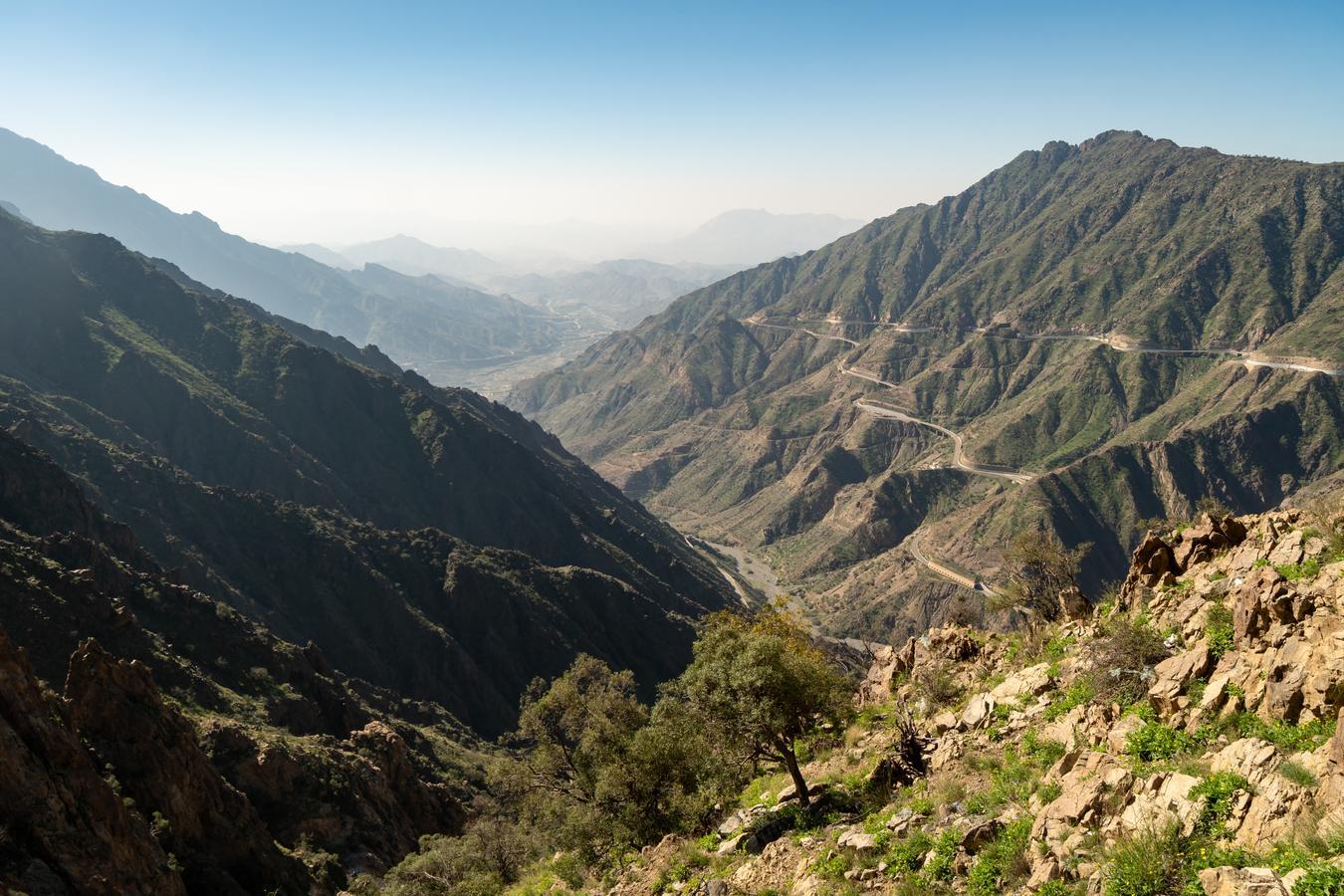
When Saudis think of Al Baha, it is the cool air, the terraced mountains, and the cypress-dotted forests that come to mind. Nestled between the Hejaz and Asir, the region has long been prized as an escape from the desert heat. Yet beyond its climate, Al Baha’s place in Saudi Arabia’s tourism story lies in how people have turned its landscapes into opportunities that endure.
Take Salem Al Ghamdi. What began with a single almond seedling has become an orchard where visitors can pick fruit, taste local produce, and share in the rhythm of the harvest. The venture is modest, but it reflects a broader pattern in Saudi society: individuals using land and heritage not only for livelihood but also as a bridge to culture. In a country eager to diversify beyond oil, such examples reveal how tourism in Saudi Arabia depends on local stories, not imported attractions.
Reforms sweeping across the Kingdom — from investment rules to domestic tourism campaigns — have made ventures like Al Ghamdi’s easier. But what sets his project apart is not policy support alone. It is the ability to imagine almonds not only as agriculture, but as an experience. The orchard is both farm and cultural encounter, linking Saudi traditions to hospitality. This blend is what makes Al Baha more than a stop on the tourist map: it becomes a window into the character of the region.
These are the people who fascinate me most: those with the Saudi coolness and calmness, the quiet pragmatism that long preceded reform. I have known many such figures — not driven by money but by vision, carving possibility out of difficulty. In earlier decades, when institutions were rigid and opportunities scarce, such foresight required patience and resilience. Today, with reforms and resources in place, it is easier to bring such visions to life. But the essence remains unchanged: the capacity to imagine a future others cannot yet see.
Economic transformation in Saudi Arabia is often measured in giga-projects and airports. But Al Baha tourism shows that progress also rests on individuals who root opportunity in their soil and share it with others. It is here, in the orchards and mountain terraces, that one finds the quieter side of Saudi change — less visible than the headlines, but no less enduring.






 Oct 21, 2026
0 Comments
No comments yet. Be the first to comment!