 Oct 15, 2025
 Comments

In the 1970s, when oil wealth first flooded Saudi Arabia, families measured prosperity in air conditioners, new Toyotas, and the sudden appearance of concrete houses where mud-brick ones had stood. It was a transformation as visible as it was tangible. Half a century later, the Kingdom promises another revolution—this time in data, artificial intelligence, and renewable energy. But unlike a new car in the driveway, the benefits of the post-oil economy are harder to park in front of the house. They demand something less material and more elusive: a change in mindset.
It was while readinng Ali Qasim's piece, Syrian writer based in Tunisia, in Al Arab on August 21, 2025—“Saudi Arabia opens its doors to the post-oil era”—that this thought came to mind. Like many accounts of diversification, the article listed billions in investments, AI zones, and futuristic projects. Such numbers matter. Yet the deeper question is what they mean for society: how 36 million Saudis, from Aramco engineers in Dhahran to teenagers in Al-Qassim, absorb the shock of moving from oil wealth to knowledge wealth.
Older Saudis remember oil not just as fuel but as foundation. It paid for weddings, education, and government jobs. For many, it still symbolizes stability—making a future without it difficult to picture. For the young, raised in a more impatient era, the currency of ambition has shifted. A 22-year-old in Riyadh said: “For my father, oil was the future. For me, it is data.” In a single generation, the symbol of prosperity has moved from the oil rig to the laptop.
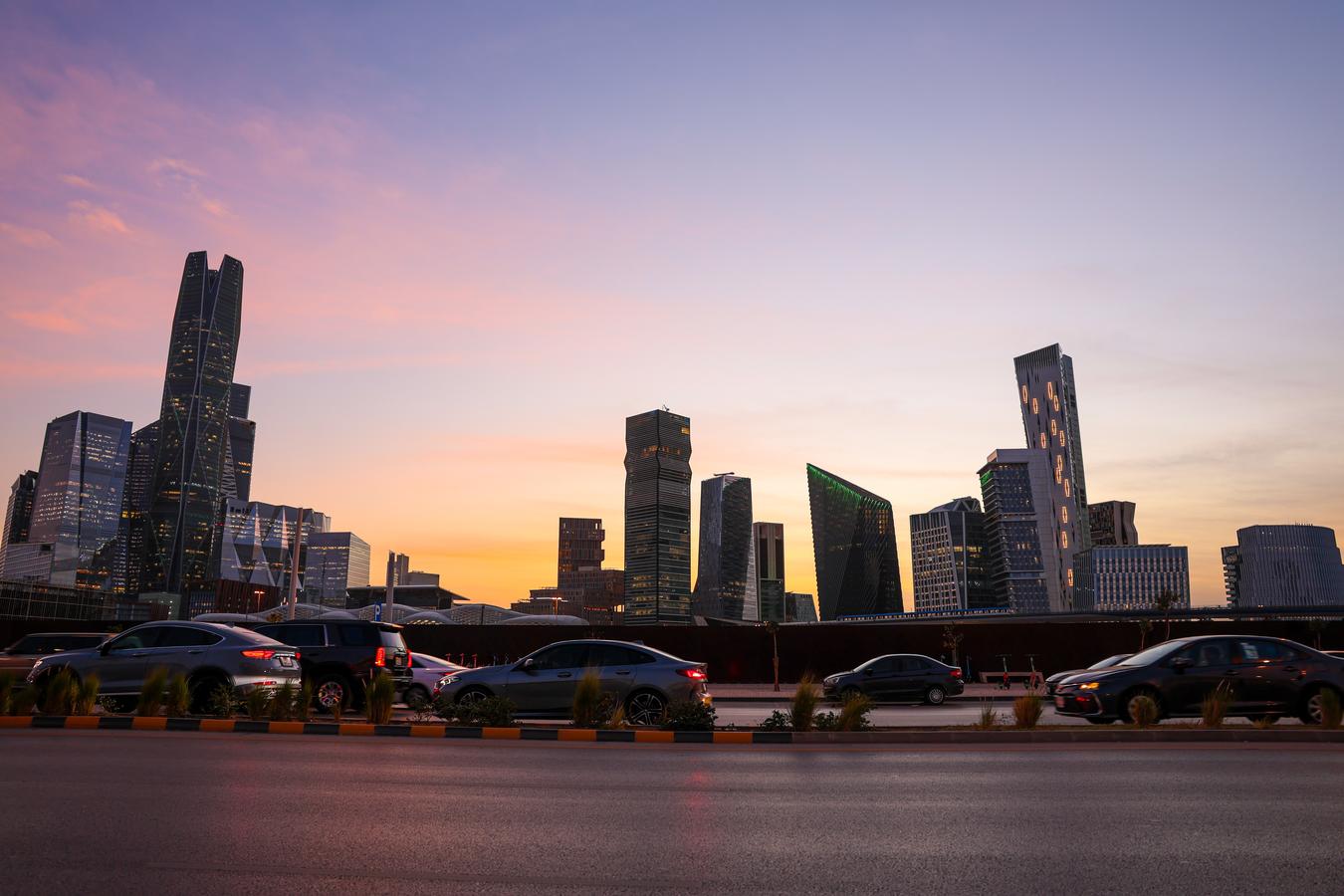
But transformations are rarely uniform. In Riyadh, hackathons and AI summits fill shiny towers. In Jeddah, co-working spaces churn with app developers. Yet a teacher in Al-Qassim admitted: “We hear about AI and the new economy, but our children still lack proper labs and resources.” Much of the new economy is concentrated in the largest cities. Whether the benefits of diversification reach every region equally remains an open question.
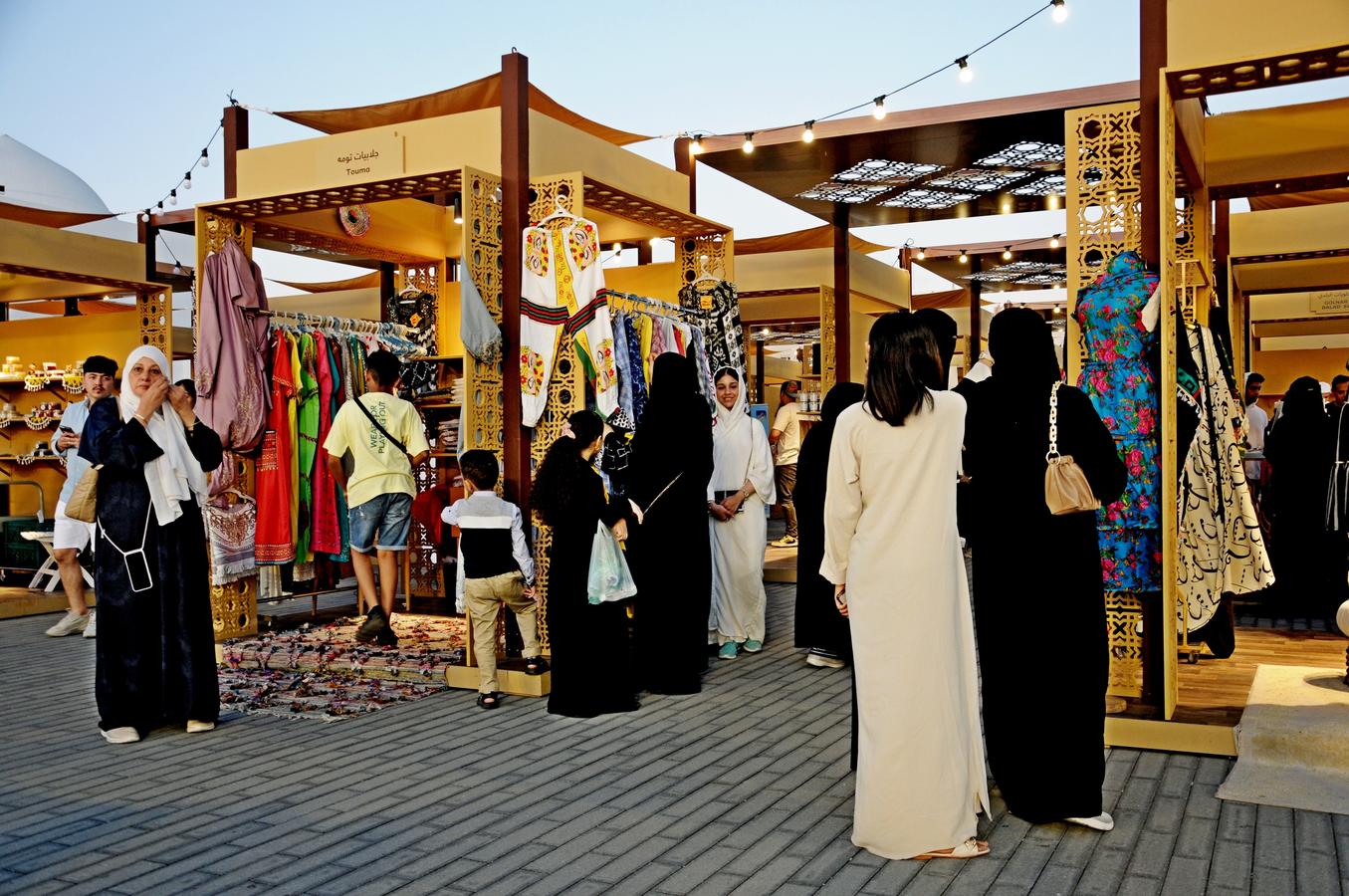
The role of women is one of the clearest markers of change. In the oil era, most daughters were steered toward teaching or medicine. Today, young women are entering coding, cybersecurity, and robotics. “It’s not only about a career,” said one programmer in Jeddah. “It’s about proving we belong at the heart of this change.” Oil once brought education to millions of Saudi women; the post-oil era may bring them into the core of national production. For families, this redefines what daughters can aspire to and how sons view their peers.
Daily life already reflects the new rhetoric. Teenagers compete in robotics tournaments in shopping malls. Universities host hackathons on healthcare apps. Families that once discussed medical degrees now weigh careers in gaming or renewable energy. Yet beneath the excitement runs a current of uncertainty. Will these new skills translate into secure jobs, or will oil revenues still need to subsidize them? As one analyst noted, “Diversification in the books is one thing; diversification in households is another.”
Symbols abound. NEOM, billed as a city powered entirely by renewables, is less a city than a promise. It declares that the future is being built on Saudi soil—but it also risks dazzling the imagination while feeling remote from daily concerns. A robotics lab in a Riyadh mall may change a teenager’s path more directly than a futuristic mega-city. In the oil era, Saudis could point to the highways, schools, and air-conditioned homes that oil built. In the data era, the markers of prosperity will be subtler: job security, digital literacy, and social mobility.
Some Saudis are enthusiastic. A student in Dammam studying AI said: “We used to consume technology. Now, for the first time, I feel we are producing it.” Others are cautious, recalling how past booms sometimes ended with unmet expectations. Oil revenues still fund the very transformation meant to replace them, a paradox that does not escape public notice.
The state is alert to these tensions, investing in scholarships, regulation, and training programs. Yet the hardest part of the transition is not financial but human. How to persuade an older generation that risk can be as valuable as security? How to ensure opportunities do not remain confined to major cities? How to give women equal footing in industries long dominated by men? These are not technical questions of coding or capital. They are social questions of identity, trust, and ambition.
Much has been written about Saudi Arabia’s economic diversification. Ali Qasim’s article in Al Arab captured the scale of ambition. But the more interesting story is not measured in billions of dollars or terabytes of data. It is measured in schools and homes, in the quiet conversations where Saudis recalibrate their hopes. The real wealth of the post-oil era, as one sociologist put it, “is not energy or data. It is how society adapts.”






 Oct 21, 2026
0 Comments
No comments yet. Be the first to comment!