 Aug 5, 2025
 Comments
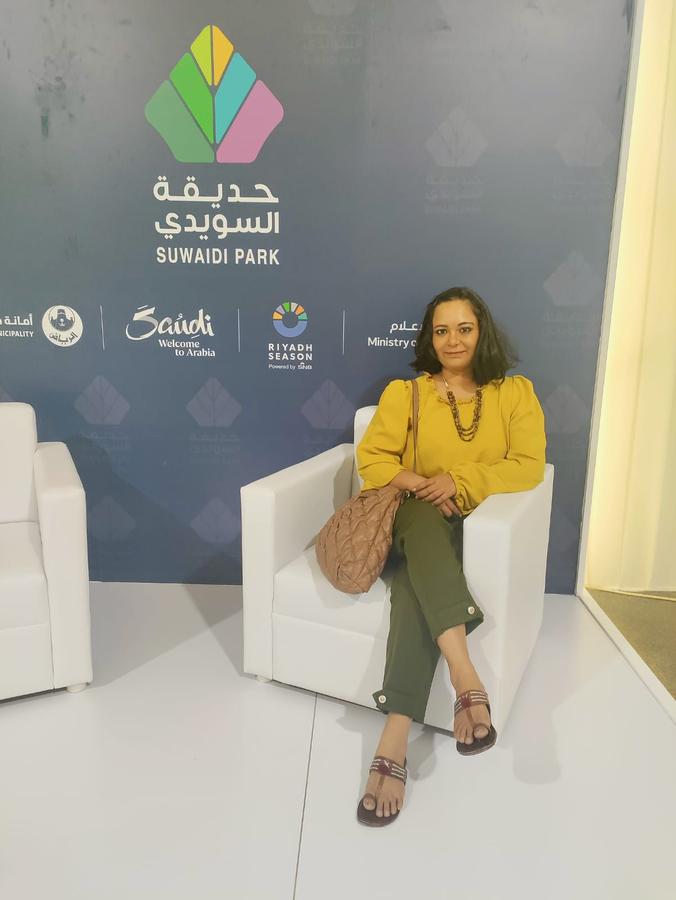
Shubhda Chaudhary does not just study the Middle East — she listens to it, stubbornly and curiously, as if tuned to frequencies others miss.
An Indian political scholar and journalist, Chaudhary founded Middle East Insights, a volunteer-driven platform that has hosted over 100 dialogues in just eight months, bringing together scholars, policymakers, and journalists to exchange ideas, not slogans.
Her path began with the Arab Uprisings, when, as a young journalism student in London, she watched her Tunisian and Egyptian friends’ Facebook posts transform into “existential declarations.” Sent to cover embassy protests for a French-African TV channel, she plunged into the fray — and never quite stepped back.
Guided by figures like Dr. Larbi Sadiki, Chaudhary learned to see the region not as a riddle to solve but as a living narrative — one that demands humility, not just expertise. Her fellowship at Johannesburg’s Afro-Middle East Centre, where she read 64 books in six months, cemented her belief that research is not about echoing the loudest voices, but uncovering the unsaid.
“What cuts through the noise,” she says, “is what remains unseen.”
Her work, spanning India, the Gulf, and Africa, challenges familiar framings, insisting on original, empirical scholarship over Western hand-me-downs. Fresh from a visit to Saudi Arabia, Chaudhary remains driven by the same restless question: How do we build bridges between regions — and who, crucially, isn’t being heard?
Q: How did the experience of being in Riyadh compare with the assumptions shaped by years of research and reporting from afar?
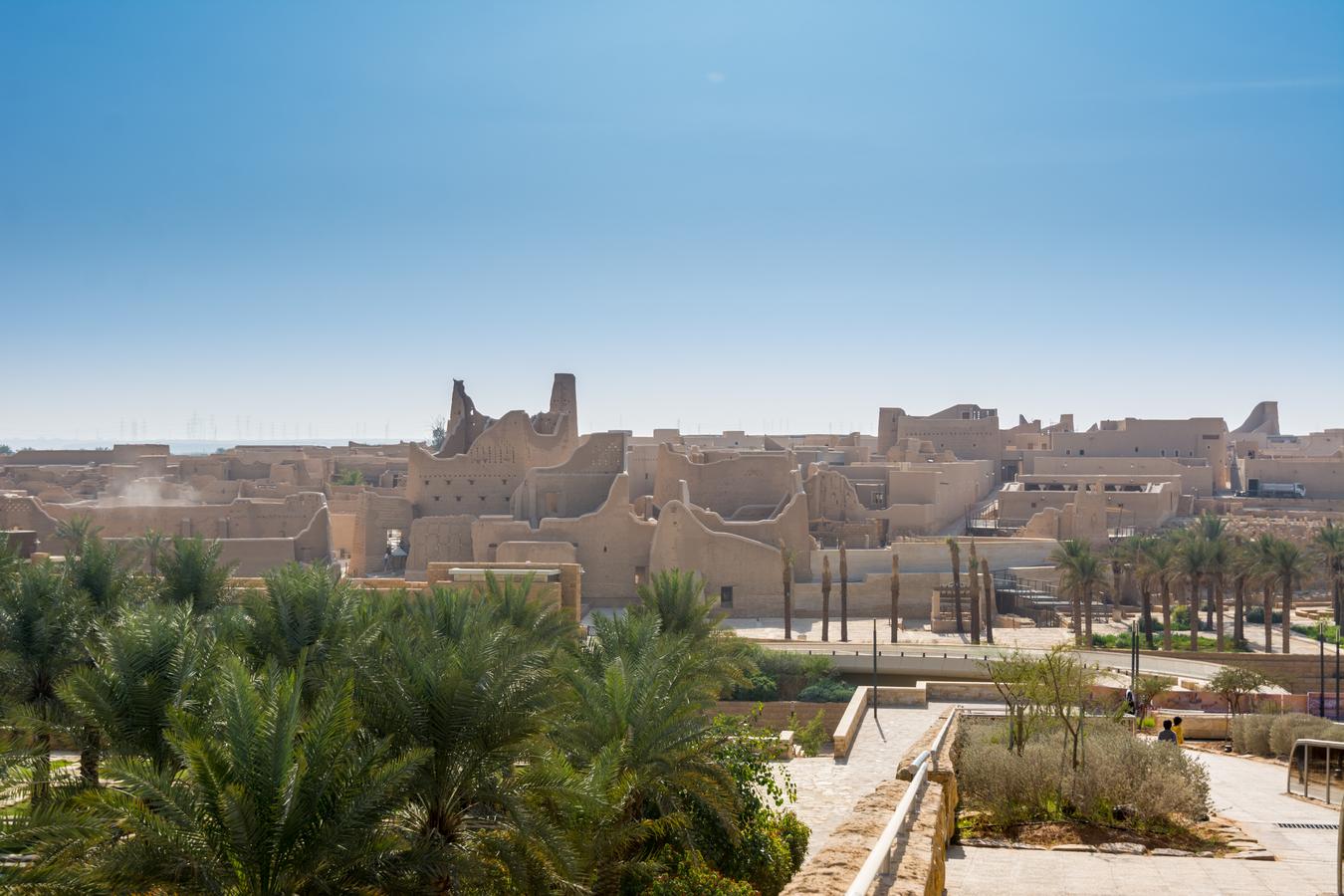
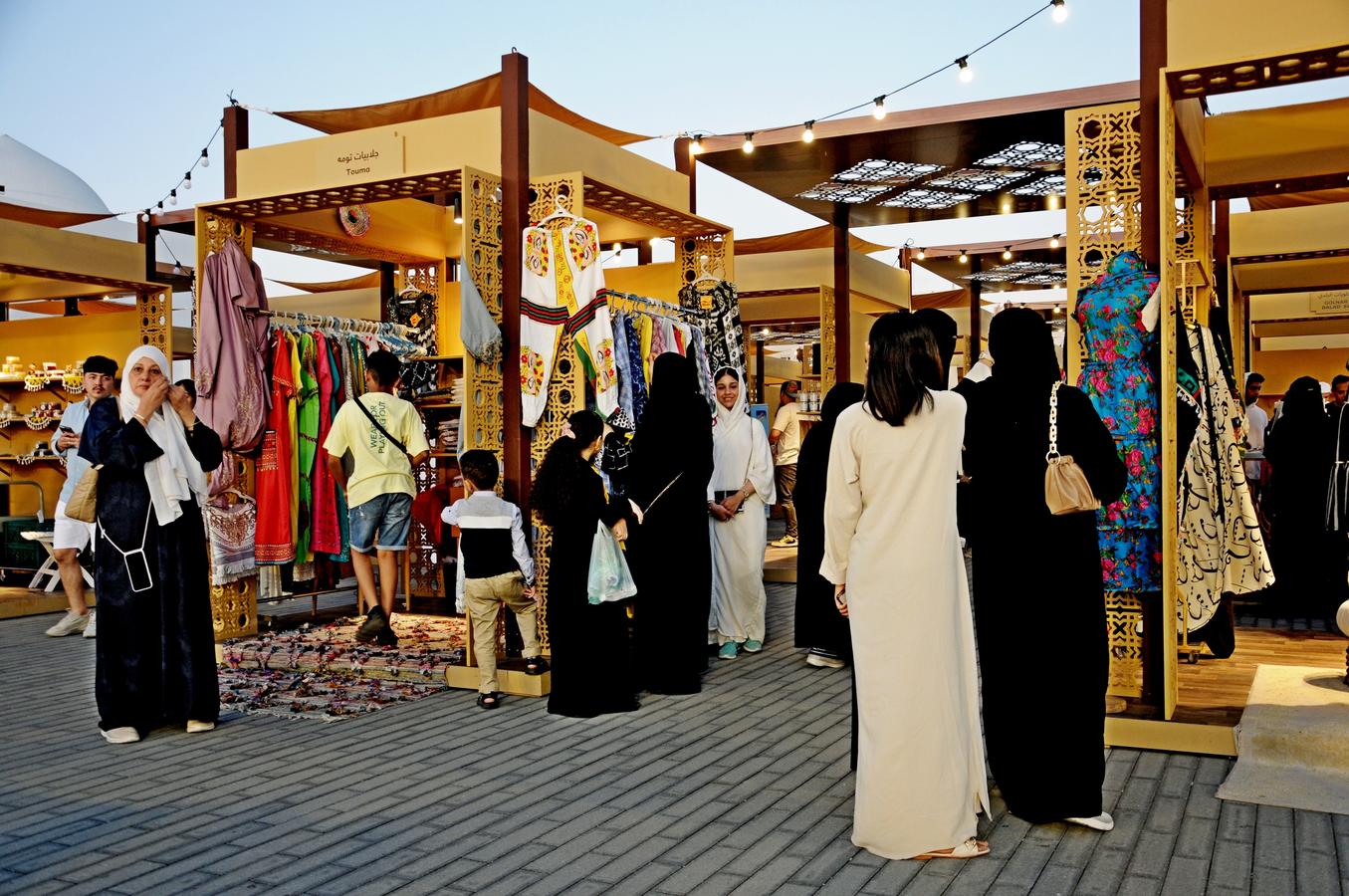
A: My visit to Riyadh Season at Al Suwaidi Park in November 2024 was a revelation, not because it confirmed expectations, but because it shattered them. The grassroots reality of Riyadh — vibrant, welcoming, and dynamic — stood in stark contrast to the hyper-reality crafted by media outlets with their own agendas.
From the moment I navigated immigration to my interactions with the locals and Indian diaspora, I felt an unexpected empowerment, particularly in witnessing the strides in women’s rights and freedoms. This was not the Saudi Arabia of Western headlines, but a living, breathing society pulsating with pride and hospitality.
The media’s portrayal, often steeped in bias, constructs a version of reality that overshadows the truth. It paints Saudi Arabia as a caricature, ignoring its complexities. My experience, however, reminded me of the importance of focusing on the people themselves — the human values and connections that shine through beyond headlines.
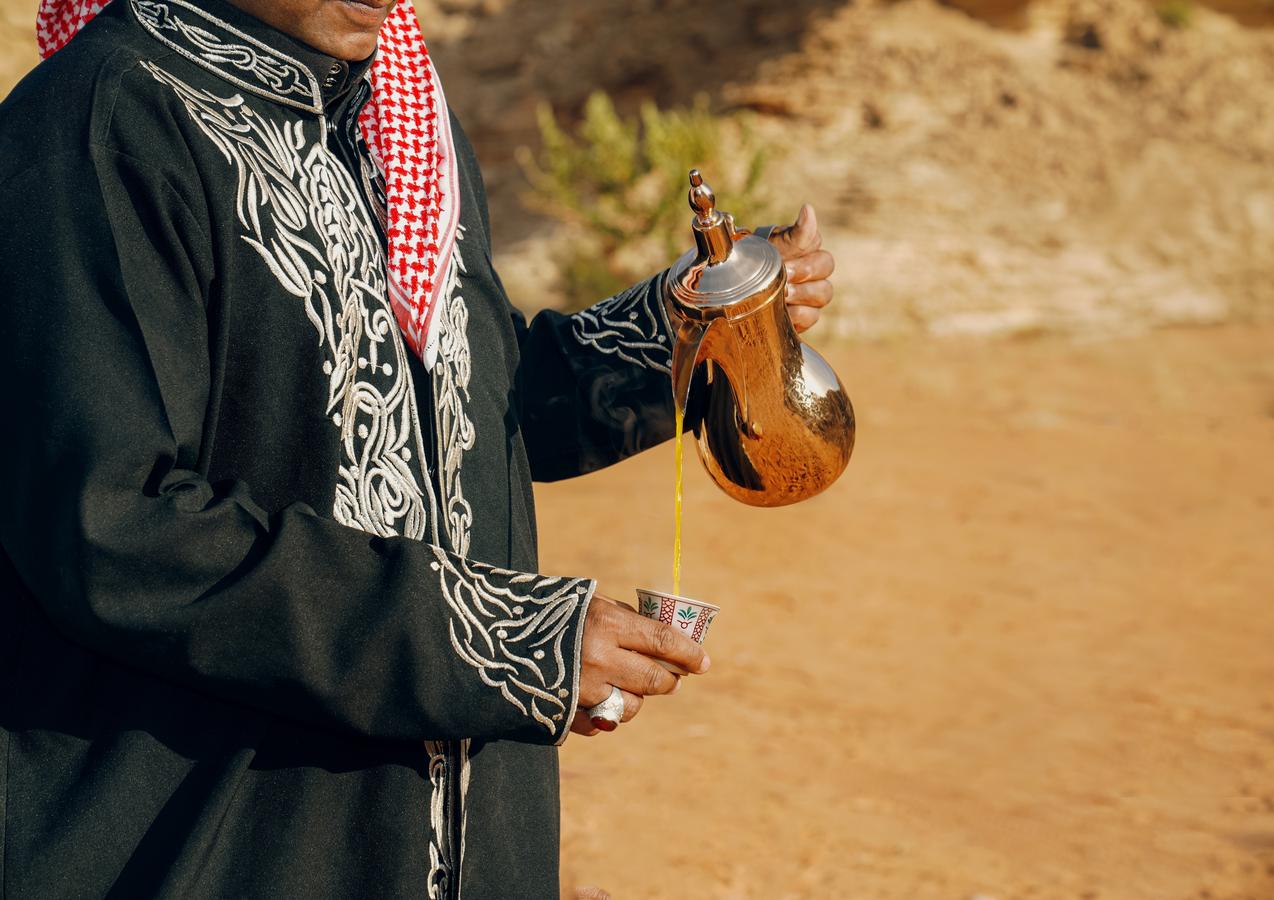
The warmth of Saudi hospitality dissolved language barriers, revealing a universal sense of welcome and respect that no narrative can suppress. This challenges us to question: who shapes our understanding, and at what cost?
The face-to-face encounters with locals, the Indian diaspora, and women embracing newfound freedoms fostered a sense of shared humanity. These moments transcended preconceptions, urging us to see and hear people as they are, not as they are portrayed. The empowerment I witnessed, especially among women, reflected a society redefining itself, defying the static lens of external judgment.
In fact, Saudi Arabia’s hospitality and evolving identity are not mere anecdotes but a call to replace cynicism with curiosity. Riyadh Season was more than an event; it was a personal awakening. To know a place, we must immerse ourselves in its reality, not its representation. Only then can we dismantle the distortions that blind us, embracing a world far richer than our assumptions allow.
Q: Did your visit offer insight into how the social and economic layers of the Indian diaspora function in everyday life — and how they affect how Indians and Saudis see each other?
A: My 2024 visit to Riyadh Season, enriched by over 50 interviews with the Indian diaspora, revealed a profound truth: belonging is not bound by geography but forged through inclusion. The diaspora — teachers from Bihar, scholars, and families — felt not just welcomed but at home in Saudi Arabia. They were seen and heard, free from the “othering” or discrimination often expected in foreign lands.
Indian schools thrived, drawing students and scholars, while educators contributed richly to the cultural and intellectual fabric. This experience, underpinned by Saudi Arabia’s safety, hospitality, and Vision 2030’s promise, was breathtakingly empowering. Educators from India weave their heritage into Saudi Arabia’s evolving identity, creating a fusion of horizons that enriches both.
Vision 2030’s ambition to globalize becomes a lived reality, where the diaspora’s input shapes a dynamic, inclusive society. The diaspora’s empowerment, rooted in safety, inclusion, and the hope of Vision 2030, transcends mere tolerance. It is an active invitation to contribute, to be kin rather than stranger.
Saudi Arabia’s ability to welcome foreigners as partners in its future redefines belonging as a shared act of creation, where hospitality and opportunity forge a new philosophical home.
Q: Did your position as an Indian woman shape the way you were seen — or the way you see — or did the setting feel more neutral?
A: As an Indian woman, I felt understood, heard, and respected, a profound experience shared with Saudi women, unhindered by limitations. In Riyadh, I was not “othered” or confined by stereotypes but recognized as a subject with freedom to transcend imposed roles.
Saudi women, too, moved through public spaces with a newfound ease, embodying the vision of freedom as the capacity to shape one’s existence. Vision 2030’s reforms, far from abstract policy, manifest as a lived reality where women’s agency reshapes societal norms.
After all, we are intertwined in a world where mutual recognition creates authentic existence. Saudi Arabia’s evolving inclusivity, witnessed through my lens as an Indian woman, challenges us to reimagine community as a space where all can become, unburdened by limitation.
Q: What do you think remains most misunderstood about the Gulf — particularly by Indian media and policy thinkers?
A: Too often, Gulf countries like Saudi Arabia are reduced to binaries — traditional vs. modern, open vs. closed — through lenses of trade, diaspora, religion, or economics. These portrayals, rooted in limited empirical engagement, lack the depth of grassroots ties.
The hospitality, inclusion, and agency I witnessed, particularly among women and the diaspora, reveal a heterogeneous reality that demands a new approach: one grounded in people-to-people dialogue. A few media outlets and some academic scholars do construct the Gulf as an “other,” filtered through preconceived categories that erase its complexity.
Narratives of trade or religion overshadow lived experiences like the Indian diaspora’s sense of home or Saudi Arabia’s strides toward Vision 2030. To reshape perceptions, we must prioritize people-to-people dialogue through platforms like storytelling and film-screening festivals, podcasts, or digital forums. These would amplify voices from the Gulf and its diaspora, countering binary narratives with lived stories.
Academics and media must move beyond detached analyses to immersive engagement, listening to communities rather than categorizing them.
Q: Was there a moment during your trip that broke away from the formal agenda and offered a more spontaneous view of Saudi life?
A: Well, my journey was replete with unscripted moments, where the absence of surveillance over whom to speak with or interview allowed a natural flow of connection.
Each day brought revelations — shared laughter with hosts teaching me Arabic phrases, indulging my banter, and a profound sense of safety in crowded hotels and halls, where I could leave my bag untouched. As an Indian woman, I was never objectified or met with condescension, but embraced with respect, revealing a Saudi Arabia where trust and openness defy external narratives.
Without imposed agendas, my interactions with hosts and companions embodied an ethical openness, where the other’s presence — whether through shared humor or linguistic exchange — called forth my own humanity. The absence of an agenda allowed me to live in the “same world” as my hosts, dismantling the insider/outsider binary perpetuated by Western media’s reductive lens.
These unscripted encounters call us to reimagine community as a space where trust and mutual respect allow every individual to appear fully, unveiling the world’s richness through the simplicity of human connection.
Q: Who do you think should shape the narrative of change — the state, the scholar, or the people themselves?
A: The Gulf’s truth lies in its people’s voices, not in reductive contests between state or scholars. My Riyadh experience — marked by trust, connection, and shared humanity — calls for a new narrative paradigm, where inclusive dialogue unveils the complexity of lived realities.
By giving everyone a chance to speak, we honor the Gulf as a mosaic of stories, woven through mutual respect and authentic encounter. To amplify lived realities, we need platforms — storytelling festivals, podcasts, or digital archives — where people, not just elites, shape the narrative.
Paulo Freire’s dialogic pedagogy supports this, empowering communities to reclaim their stories. This invites a philosophical reflection on the essence of community, trust, and the transcendence of imposed narratives.






 Oct 21, 2026
1 Comment
Minhajuddin Mohammed | Aug 5, 2025, 20:48
She spoke the truth, the transformation especially for women is enormous.