 Feb 5, 2026
 Comments
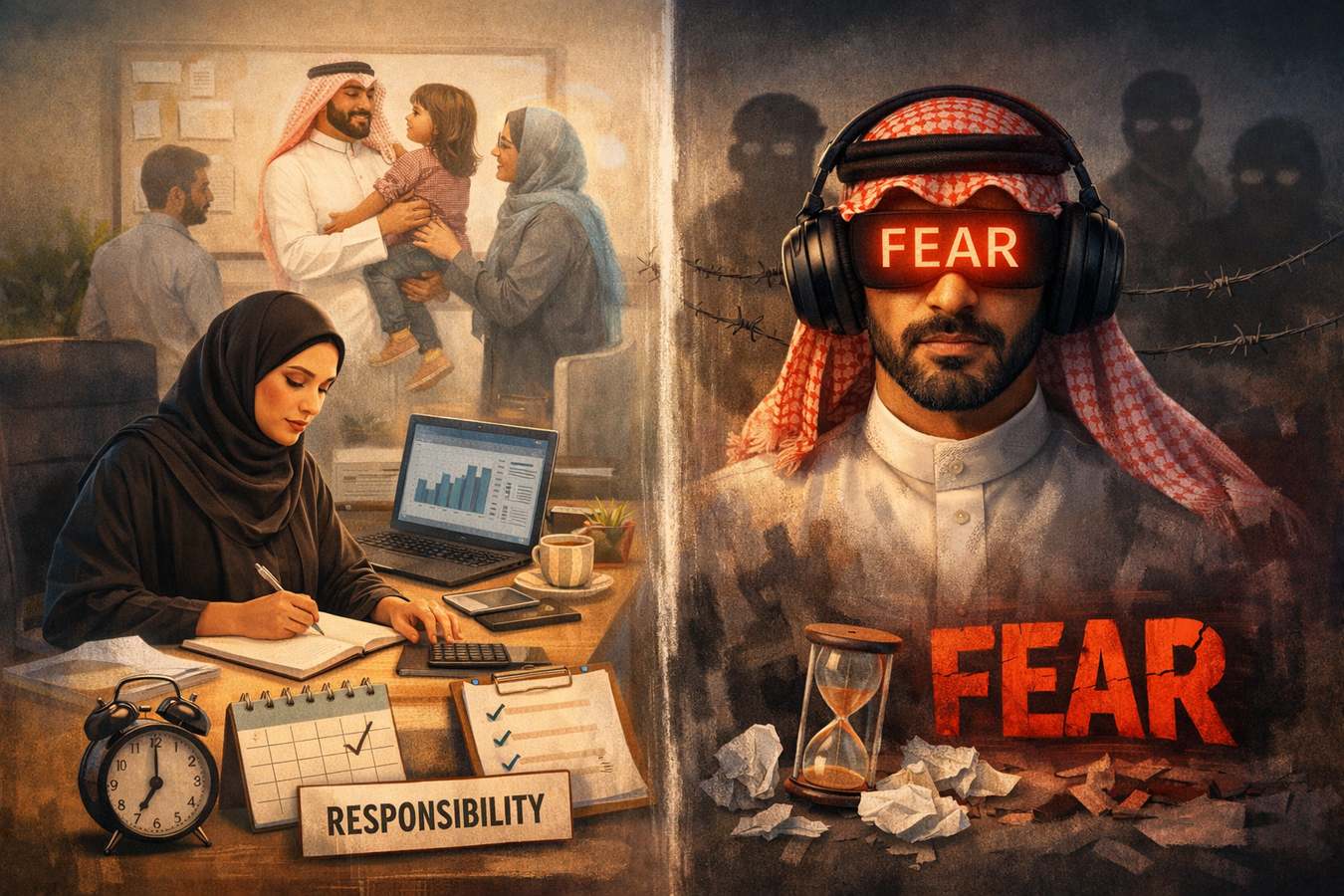
Writing in Arab News in the days after the most consequential Davos World Economic Forum in years, Dr Turki Faisal Al-Rasheed made a really important point. He talked about fear dominating the discourse, breeding disastrous outcomes. And it made a lot of sense; in a complicated world it’s actually easier to point at a convenient villain as a way of explaining away or postponing the more difficult work of repair and reform.
I think you can read this geopolitical argument through a social lens, too. Fear works like noise-cancelling headphones. It dulls complexity and blocks out uncomfortable questions. Responsibility, by contrast, sharpens the senses. It stays close to daily life and asks questions not of others, but of oneself: how one works, how one plans, how one behaves when no one is watching. In Saudi society today, that distinction is no longer theoretical. It is increasingly lived.
This is where Al-Rasheed’s warning about fear becomes socially relevant. Fear is not only geopolitical; it is also personal. It surfaces in the urge to blame circumstances, society, or vague external forces for frustrations that often stem from habits, poor planning, weak communication, avoidance of conflict, or resistance to new norms.
Responsibility is the opposite impulse, and it is learned the way balance is learned: through small missteps, awkward corrections, and steady adjustment. It requires accepting that some failures are not injustices, but feedback. In a fast-moving society, those who internalise that lesson tend to move forward; those who refuse it often feel stranded as the train leaves the platform.
For decades, life moved along well-worn tracks. Family networks, stable routines, predictable career paths. Responsibility was still there. But it qwas often shared, cushioned, and distributed along familiar lines. That world has not vanished. But it no longer explains the whole story, much as an old map still shows the roads but misses the traffic.
Economic diversification in Saudi Arabia has widened the definition of “earning a living” and, with it, the expectations placed on individuals. The shift is not about rejecting the past or celebrating individualism. It is about a more complex economy that rewards different skills: discipline, time management, adaptability, and social intelligence. In short, it rewards those who can hold the steering wheel, not just ride along.
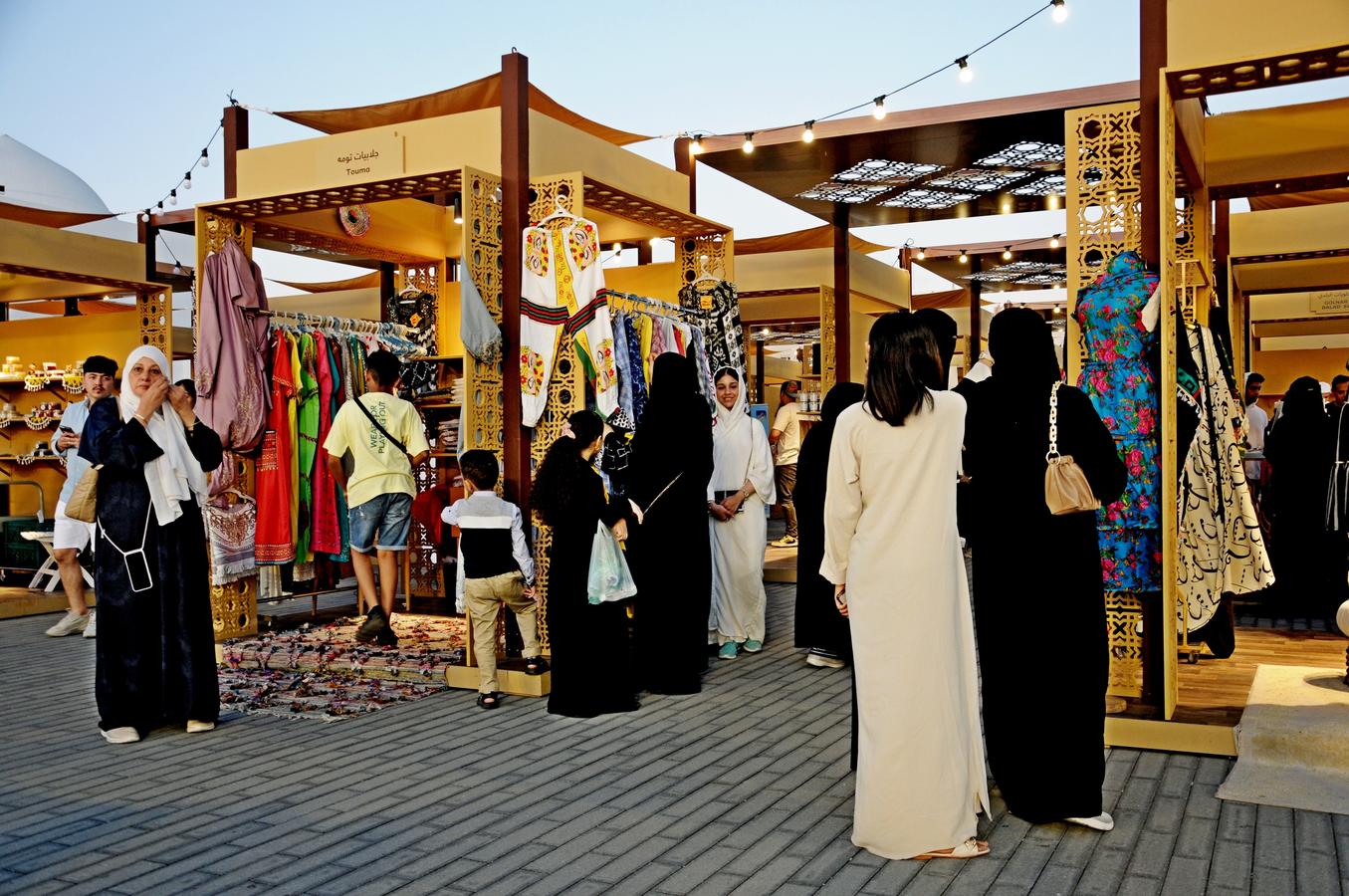
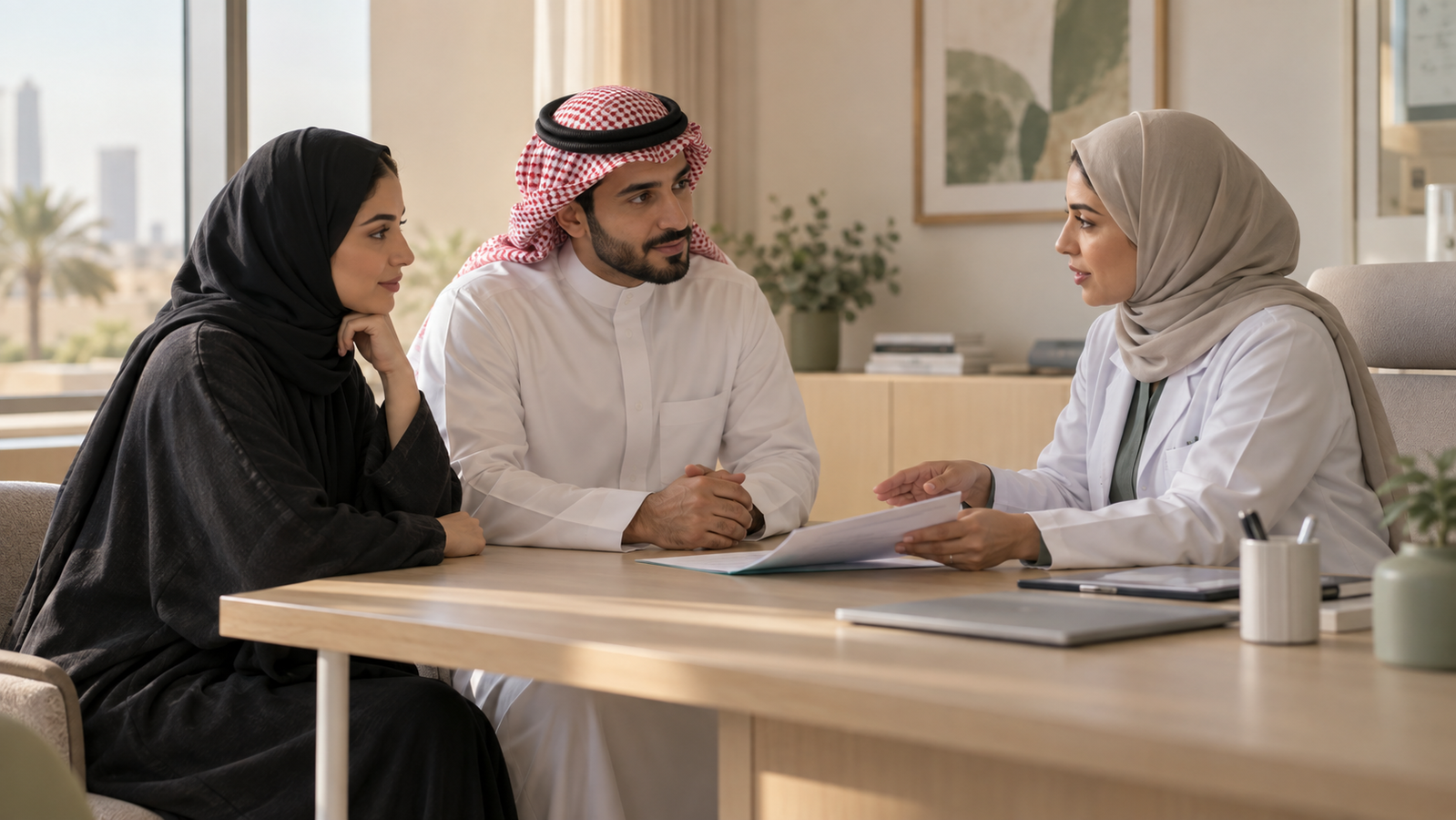
Nowhere is this more visible than in the growing presence of women in the Saudi workforce - one of the most consequential changes in everyday Saudi life. Official labour-market figures show female participation reaching the mid-30s in recent years, a rise echoed by international institutions. The International Monetary Fund has described labour-market outcomes as historically strong, while the World Bank has pointed to the speed of change since 2017.
The economic gains are easy to list: broader talent pools, more dual-income households, and a more diversified consumer base. The social effects are harder to quantify but easier to feel. When women work, the household shifts gears. What once ran on assumption now runs on coordination, of time, energy, and shared responsibility.
That reordering has delivered progress, but also a quieter kind of strain, like learning to balance on a moving surface. A working household can no longer rely indefinitely on inherited expectations. Time must be scheduled rather than absorbed. Tasks must be discussed rather than silently assigned. Family life becomes more deliberate: school schedules, elder care, household logistics; managed rather than taken for granted.
This is not a complaint. It is an observation. Many Saudi families are discovering that emotional maturity now includes practical competence.
Research supports what daily life already suggests. A peer-reviewed Saudi study has found that empowering women strengthens social responsibility, underlining that economic participation is not merely an individual gain. It reshapes norms around obligation, contribution, and community engagement. Work, in this sense, is not only about income; it is about presence and reliability. bout being counted on.
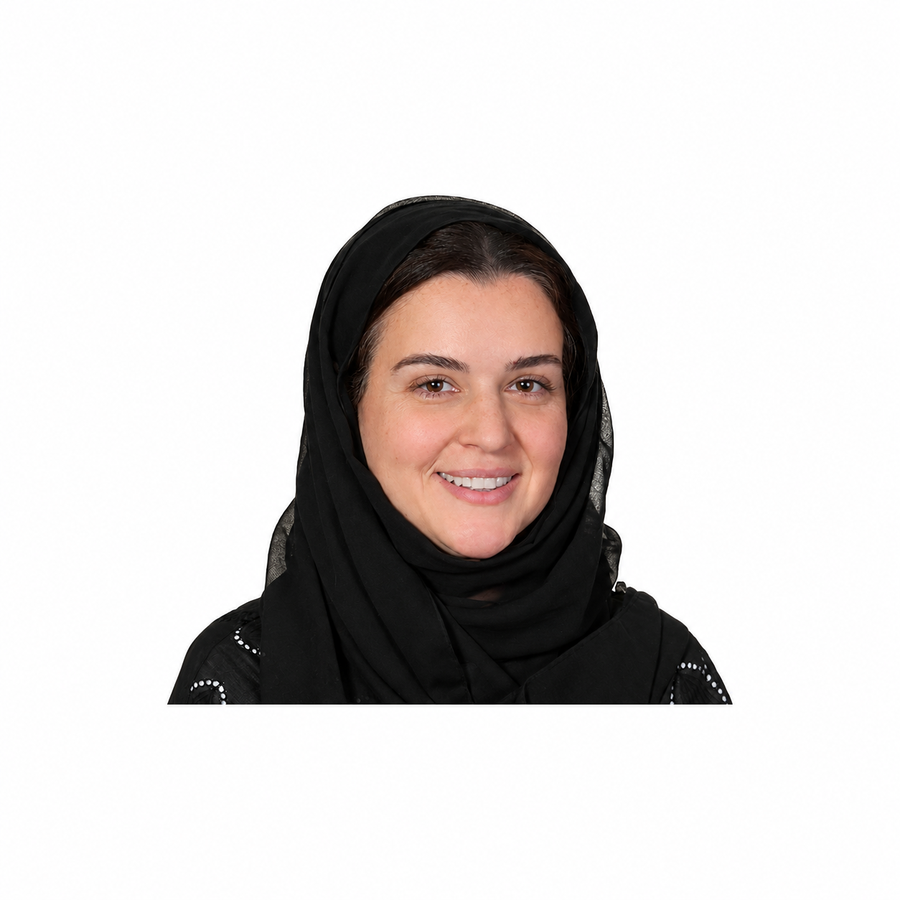
Saudi voices ave often framed this change in plain, pragmatic terms. As Princess Reema bint Bandar Al Saud has put it, Saudi Arabia cannot have half of the population not working, describing women’s economic participation as evolution rather than an revolution. The language is telling. Evolution suggests adjustment rather than rupture, a slow recalibration, like learning to walk at a different pace, rather than tearing up the road.
Putting gender aside for a moment, in a labour market shaped by performance and competition, reputation increasingly depends on reliability rather than proximity. Showing up, meeting deadlines, communicating clearly, and managing professional relationships have become forms of social currency. Networks still matter, but they no longer function as insurance against inconsistency.
Young Saudis themselves articulate this shift with growing clarity. Research by the Misk Foundation shows that values they want to strengthen include accountability and respect for time—terms that once sounded bureaucratic, but now read like survival skills. At the same time, young Saudis remain strongly anchored in family life, suggesting that ambition has not replaced tradition so much as tightened the schedule.
None of this suggests that Saudi society has become individualistic in the Western sense. Family remains central. Social bonds remain strong. But responsibility is being renegotiated within that framework. The emerging expectation is not radical independence, but competence; the ability to carry one’s weight at home, at work, and in public life.
There is a distinctly Saudi quality to this evolution. It is rarely announced and seldom dramatized. It shows up instead in how people now speak about success, not only in terms of income, but credibility. Being dependable has become a social achievement. Being organised has become a form of respect. Managing one’s life has become part of moral standing.
Fear, as Al-Rasheed notes, can unify temporarily. Responsibility builds more slowly, like infrastructure rather than spectacle. It depends on institutions that support it, education systems that teach practical skills, workplaces that reward merit, and social norms that value consistency over performance theatre. Without these, responsibility risks becoming a burden rather than a shared ethic.
The real risk is not change itself, but misdirection: treating uncertainty as a threat to be resisted rather than a condition to be managed. Societies that live in permanent alertness exhaust themselves. Those that invest instead in human capability - education, fairness, opportunity - build resilience quietly. They are the daily infrastructure of responsibility, and they are steadily reshaping how Saudi society understands success, maturity, and progress.







 Oct 21, 2026

0 Comments
No comments yet. Be the first to comment!