 Jul 10, 2025
 Comments
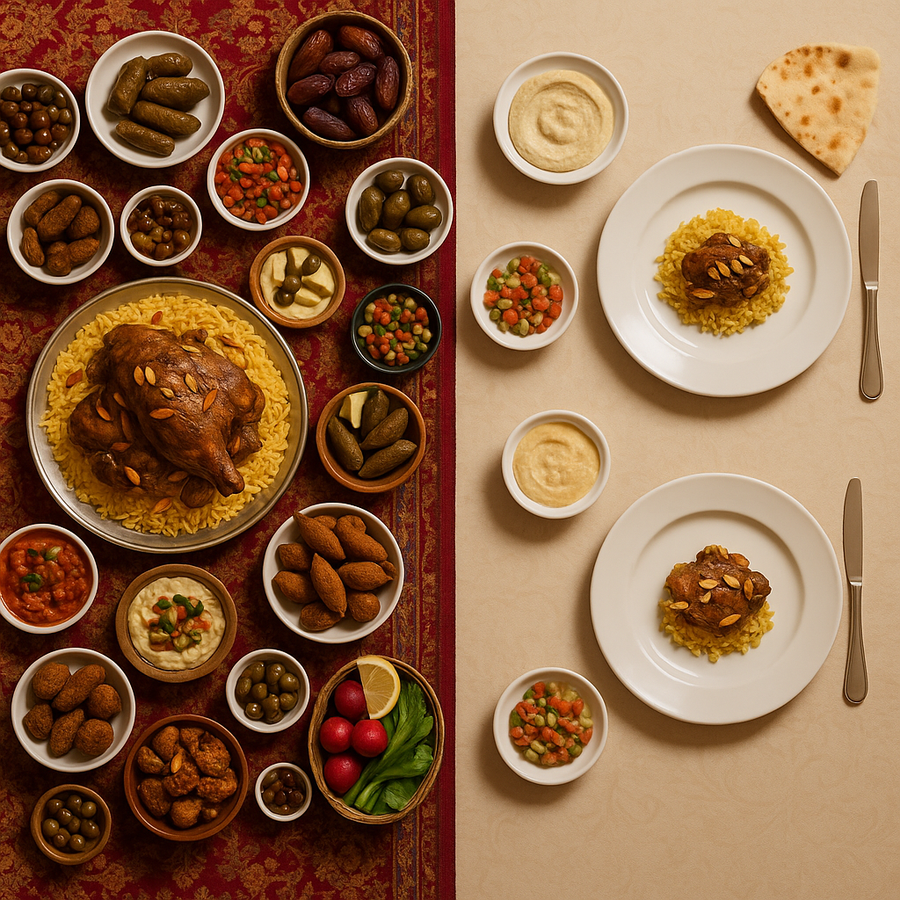
When it comes to weddings and large gatherings in Saudi Arabia, no one is unaware of the excess. People acknowledge it openly. After every event, there are familiar conversations: how much food was left untouched, how wasteful it all felt, and how “next time” things should be done differently. And yet, when the next invitation is sent, the same script plays out. An abundance of dishes is prepared to suit every taste, tables overflow, and a considerable portion is left uneaten.
This is why the new regulation requiring Saudi wedding venues to partner with certified food waste prevention organisations feels particularly timely. It is not merely an administrative reform—it addresses a cultural dilemma that many Saudis have long internalised: food waste is a problem that is privately criticised, yet socially sustained. The regulation offers a framework where good intentions have often failed to materialise.
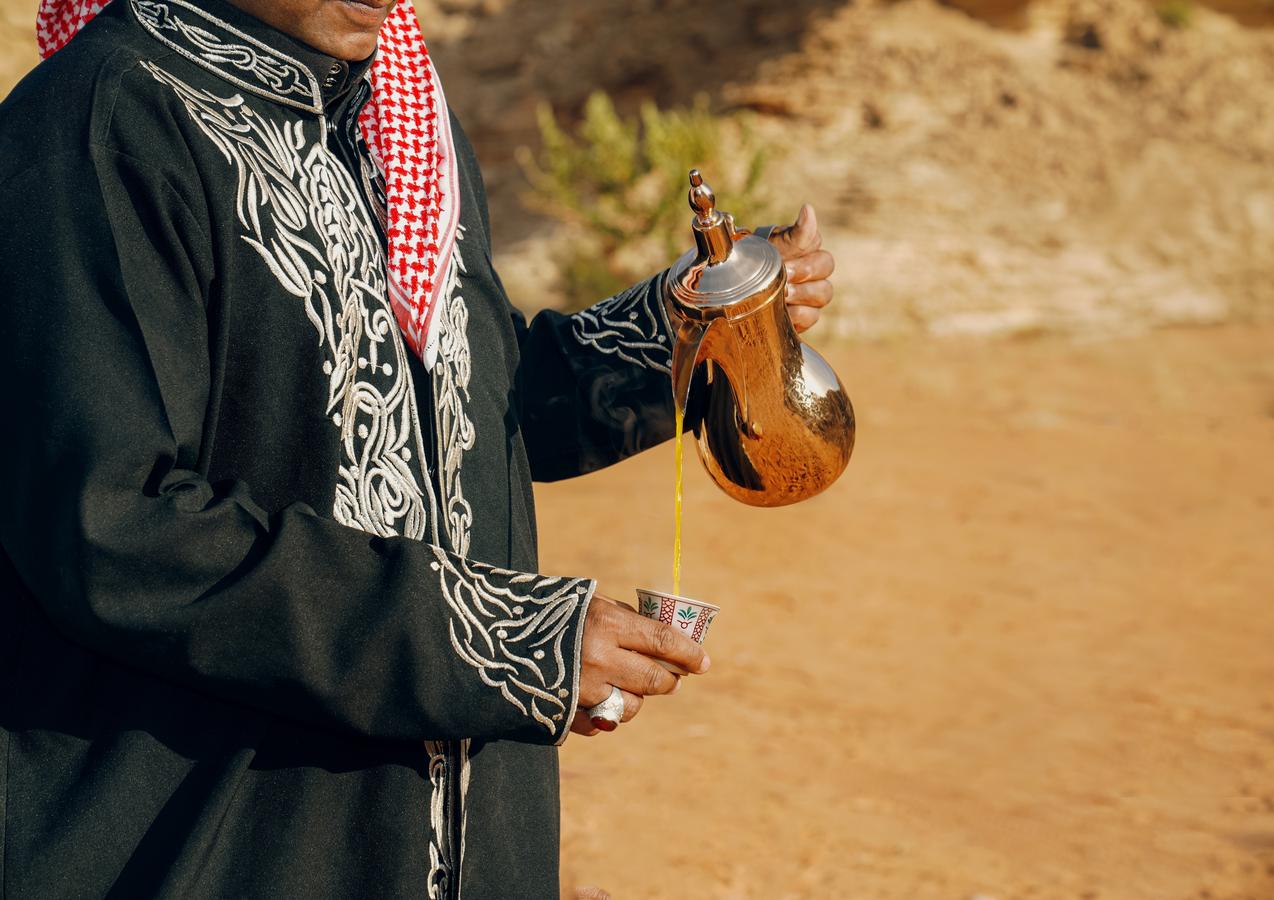
Generosity—karam—is not only a cultural norm in Saudi Arabia; it is a religious principle rooted in Islam. The concepts of zakat al-mal and sadaqah are based on sharing one’s wealth and providing for others. The tradition of honouring guests runs deep, exemplified in stories like that of Hatim al-Ta’i, the pre-Islamic poet renowned for his generosity, who once slaughtered his last lamb for an unexpected visitor he had never met. In such acts, the shame of not offering a guest anything outweighed his own hunger. The principle of giving—without hesitation—remains central to how hospitality is understood in the region.
This mindset extends far beyond weddings. Ramadan iftars, Friday family lunches, and even modest weekend gatherings often reflect the same instinct: to offer more than necessary. In many homes, leftover food is shared with staff or sent home with guests. Some families even distribute portions to neighbours or the less fortunate. But while these acts are kind-hearted, they remain informal. The broader issue lies in how abundance has come to be equated with care, and how cutting back can feel like neglect.
In Saudi society, abundance is not just a visual flourish—it is a moral statement. Karam is a deeply rooted value, and food is one of its most visible expressions. To host is to give, and to give generously is to honour both the occasion and the guest. A home with open doors, a wedding filled with people, a table that reflects joy and togetherness rather than calculation—these are not mere formalities; they are expressions of social belonging and pride.
This extends down to the smallest details. A mother preparing for a family gathering might insist on adding multiple dishes “just in case”—olives because her daughter-in-law likes them, cheese in case someone feels like nibbling. The idea is not just to feed, but to anticipate, to accommodate every possible preference. To leave anything out might feel like an omission of affection. The old saying still holds weight: “If the guest leaves hungry, the host is disgraced.”
And so food is served not to match appetite, but to meet expectation.
Yet as much as generosity is revered, Islam also teaches restraint. The Qur’an reminds believers, “Do not make your hand like a chained neck, nor extend it completely, lest you become blamed and insolvent” (Surah Al-Isra, 17:29). In other words: do not be miserly, but do not be wasteful. The balance between giving and managing wisely is already embedded in the faith—it is the cultural implementation that has tilted toward excess.
That tilt is becoming harder to sustain. Rising costs and changing lifestyles are making large events less feasible for many families. Weddings are growing smaller—not because the desire to be generous has faded, but because the financial burden has become too heavy. Hosts now face a difficult choice: either stretch their budgets to meet social expectations or risk appearing ungenerous. Behind the generous spreads, there is often a quiet tension—a mix of humour, guilt, and resignation. People know the waste is unnecessary, yet doing less may seem damaging to their image, not only as hosts but as participants in a tradition of karam.
The new regulation changes the equation. By shifting responsibility from the individual to the system, it offers hosts the cover they need to act differently—without social penalty. It allows people to reduce waste not because they are less generous, but because it is now the responsible, expected thing to do. In this sense, it is a reform that respects the past while pointing toward a more sustainable future.
Already, some families are working with local charities to redistribute leftovers. Others are rethinking how events are planned—prioritising meaning, connection, and moderation over sheer scale. The challenge now is not logistical but cultural: to make thoughtful hospitality not only acceptable, but admirable.
Today in Saudi Arabia, generosity still holds its place as a source of honour—but many are beginning to see that it doesn’t have to mean excess. The challenge is no longer about letting go of tradition, but about living it differently. Like much of Saudi social life today, karam is finding new forms—quieter, more thoughtful, and just as meaningful. Because in the end, true generosity isn’t about what’s left over on the table. It’s about the care that went into what was placed there in the first place.









 Oct 21, 2026

0 Comments
No comments yet. Be the first to comment!