 Aug 6, 2025
 Comments
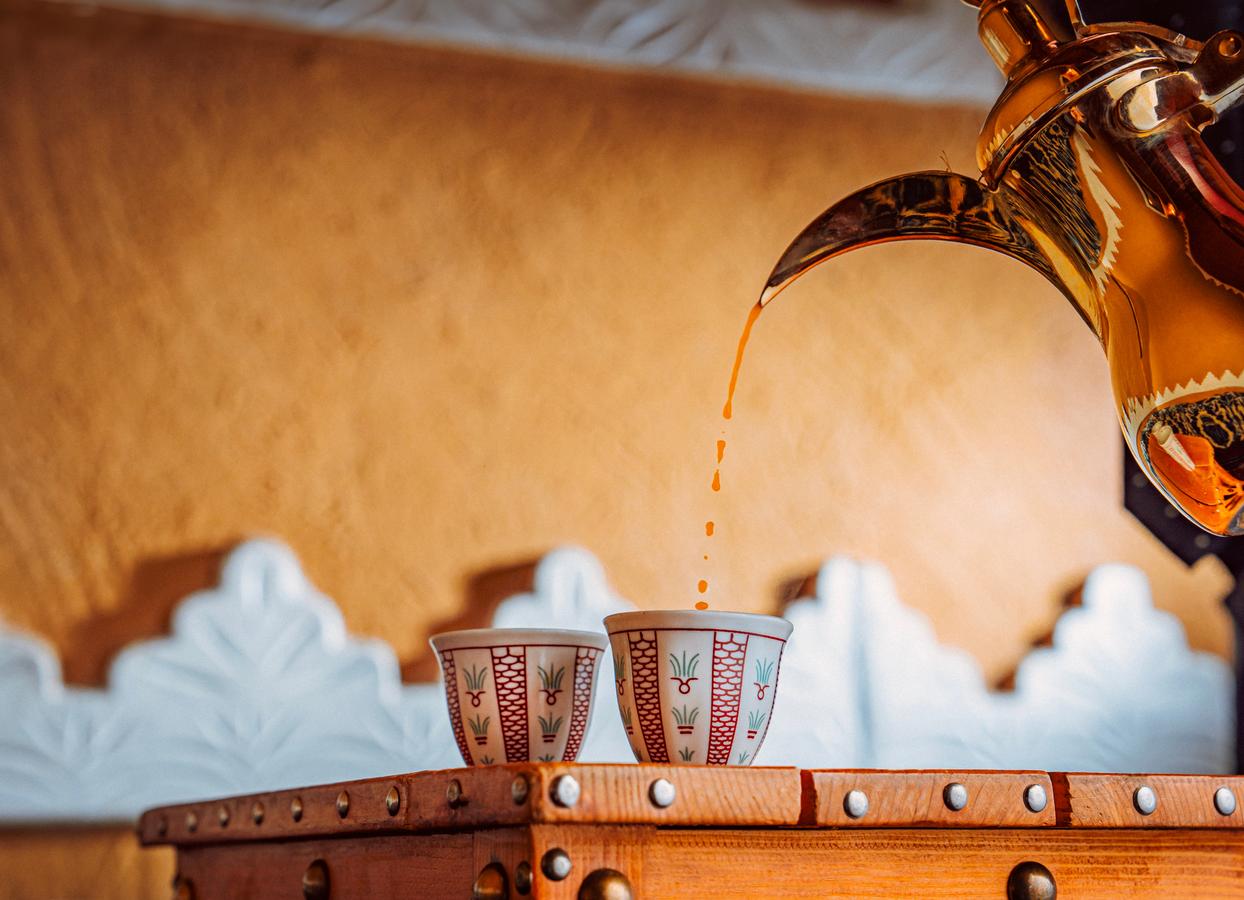
In Saudi Arabia, coffee is more than just a drink — it is a symbol of hospitality, respect, and social etiquette. Known as qahwa, Saudi coffee is usually brewed with lightly roasted beans and flavored with cardamom. It is commonly served during social visits, at weddings, and even at funerals, marking its role as a consistent feature of Saudi gatherings.
How is Saudi coffee prepared and served?
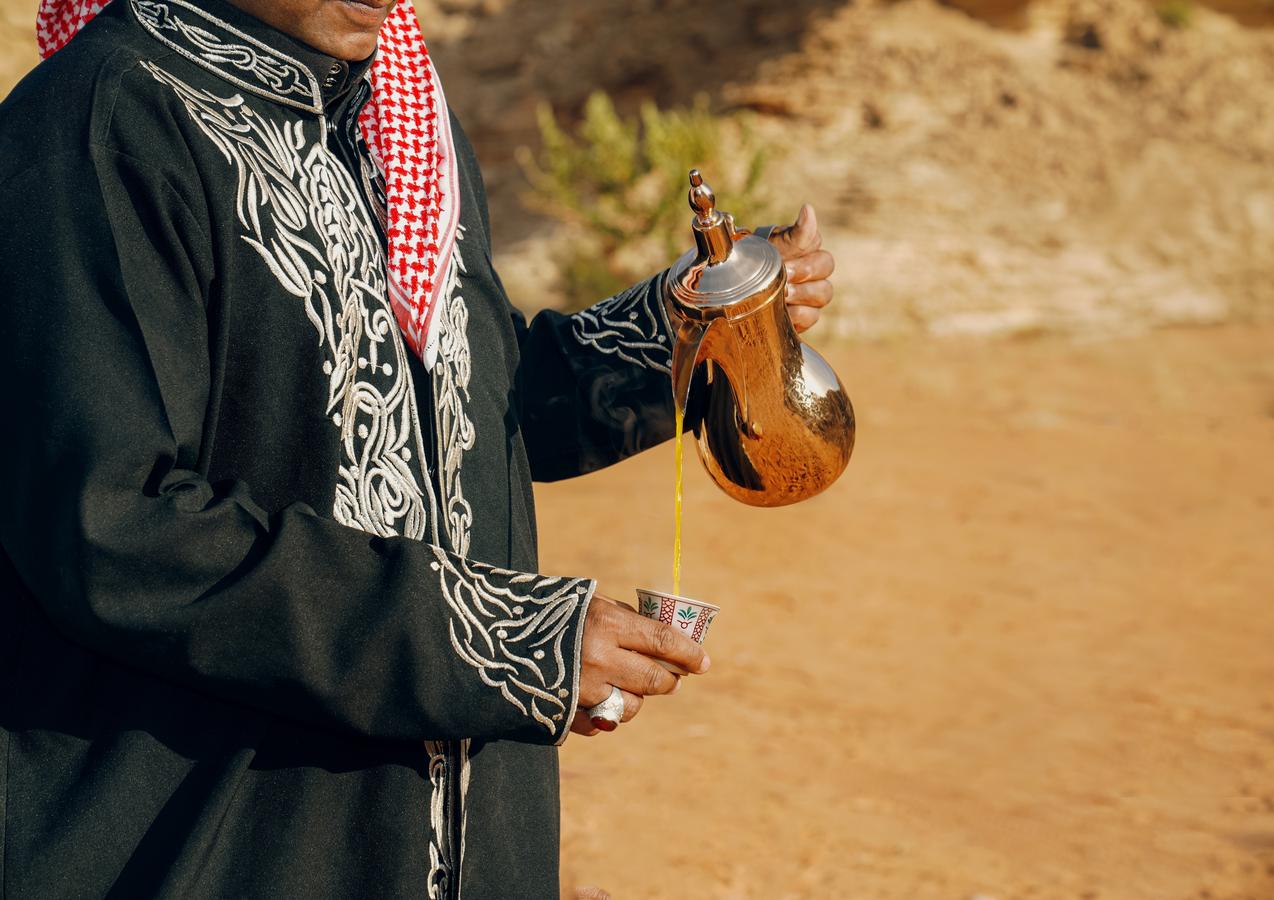
Qahwa is typically brewed in a traditional metal pot called a dallah and served in small handleless cups known as finjan. The coffee is pale in color, often spiced, and poured in small quantities — never to the top of the cup. This custom reflects modesty and attentiveness. The host begins by serving the most senior guest and usually offers up to three refills. To decline more coffee, a guest simply gives the cup a gentle shake.
Although finjan are standard, some households and larger gatherings may use small glass mugs instead, especially for home use. Unlike Western coffee, qahwa is not consumed to start the day, but rather enjoyed in the afternoons or evenings, often after meals and sometimes late into the night.
Why does Saudi coffee carry such social importance?
Serving coffee is a fundamental part of Saudi hospitality and a gesture that signifies welcome and connection. It is expected in most social settings and family visits. Preparing it is considered an art, with great attention paid to balancing the flavors and avoiding bitterness. There is often someone in the group known for making the best qahwa. Declining to drink it without explanation can be seen as impolite, so guests often accept the cup out of courtesy, even if they don’t finish it.
Is the tradition still popular among younger Saudis?
Yes. While many young Saudis frequent global coffee chains, traditional qahwa remains present in home gatherings and cultural events. It is seen both as a social norm and a marker of national identity. Today, it is also available in ready-made packets, making it easier to prepare while preserving the traditional flavor.











 Oct 21, 2026

0 Comments
No comments yet. Be the first to comment!