 Dec 3, 2025
 Comments
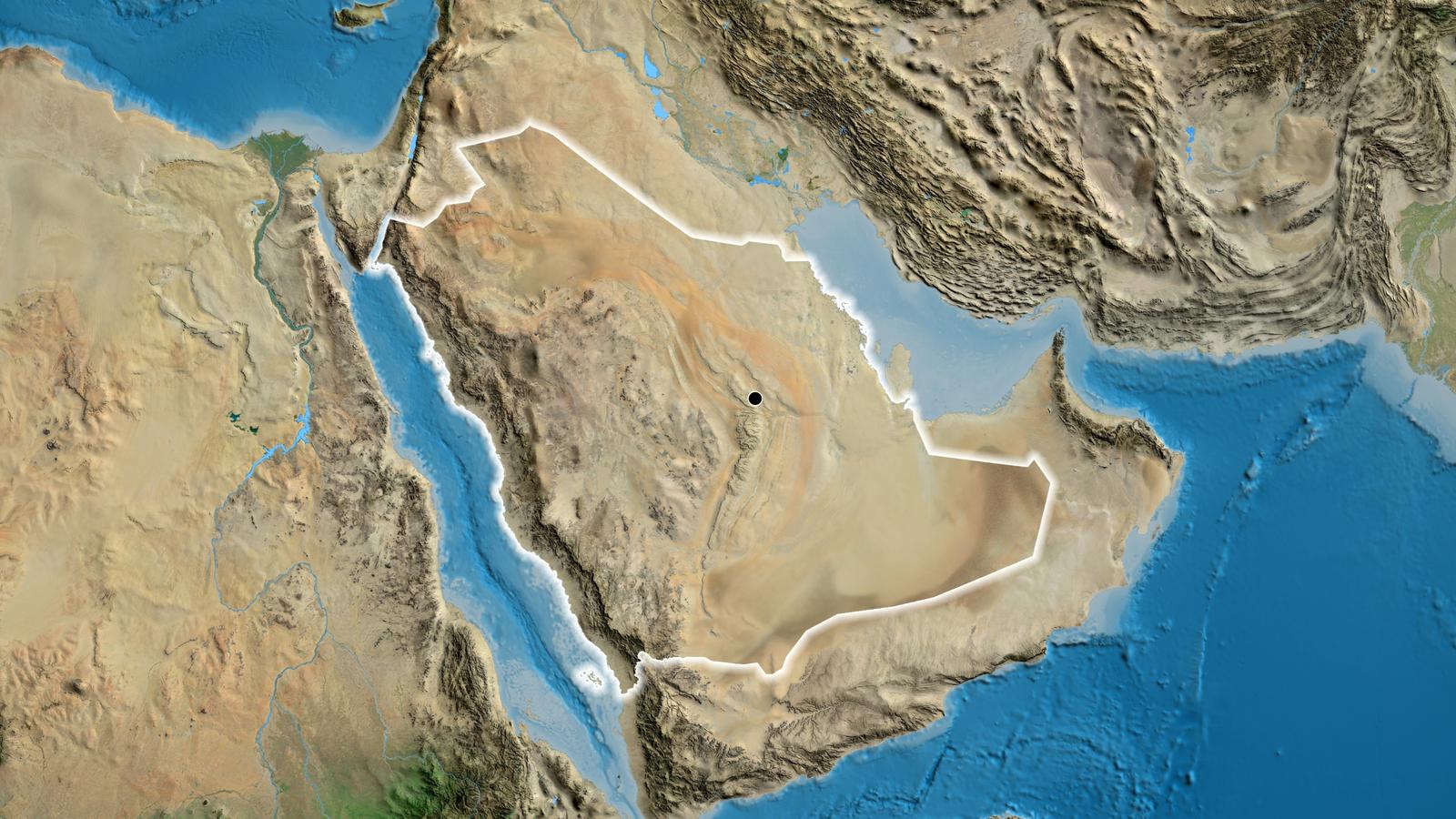
Saudi Arabia is vast—and its scale explains far more than its position on a map. For anyone trying to understand daily life, regional identity, or the challenges of building infrastructure across a territory that stretches from the Empty Quarter to the Red Sea coast, the size of Saudi Arabia is the natural starting point.
What is the size of Saudi Arabia? At 2.15 million square kilometres, the Kingdom is the largest country in the Middle East and the thirteenth largest in the world. It is almost four times the size of France, and a flight from Jeddah to Dammam takes roughly the same time as flying from London to Rome. For Saudis, distance has always been a defining part of life—from the era when tribes moved seasonally across the peninsula to today’s network of highways, domestic airports, and expanding high-speed rail.
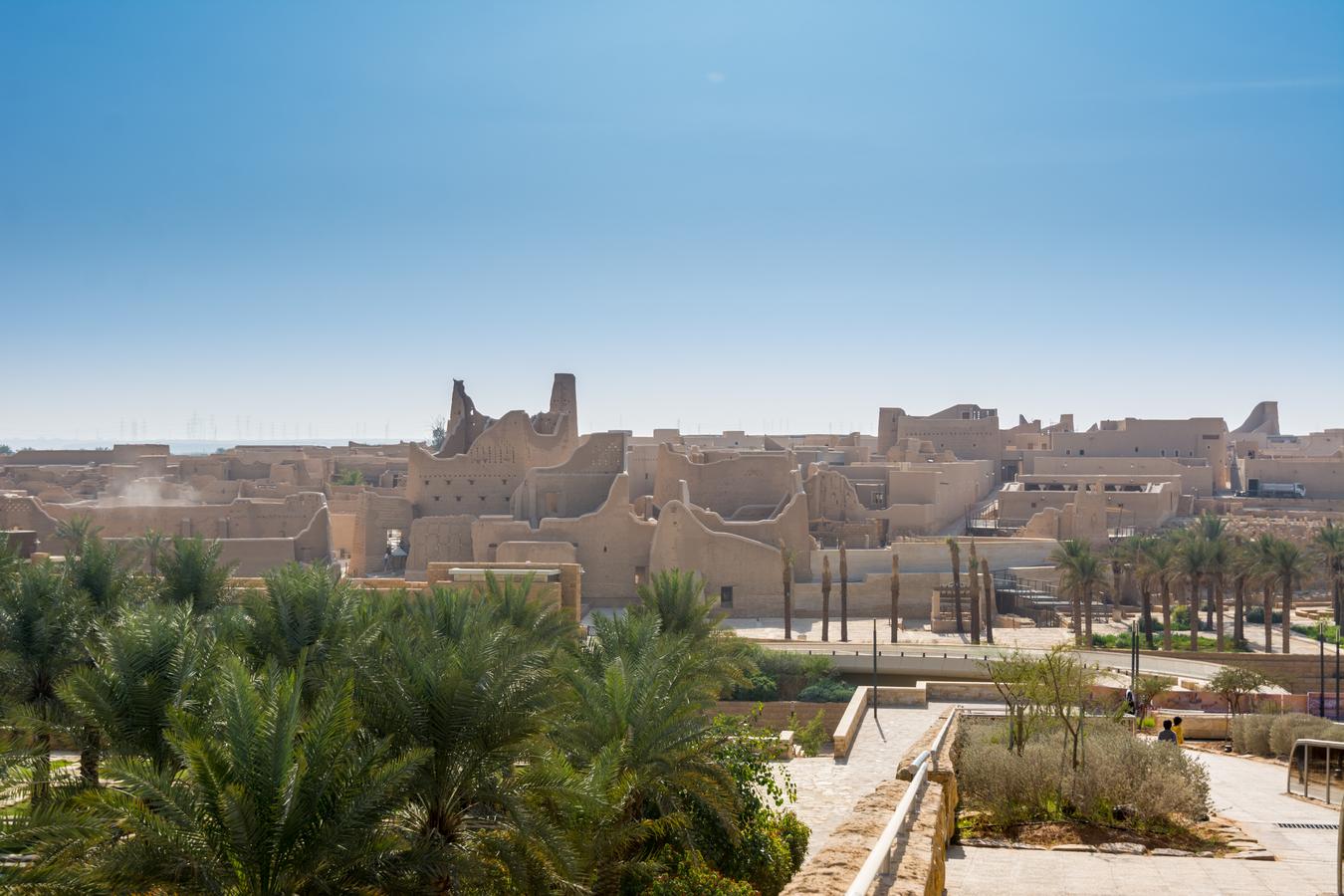
Yet geography is not simply a matter of distance. How does geography shape Saudi identity? The Kingdom contains a remarkable mosaic of landscapes: the Rub’ al-Khali in the south, the green highlands of Asir, the northern volcanic fields, and two coastlines shaped by centuries of trade. These environments produced distinct local cultures. Najdi towns developed their dense mudbrick architecture to withstand harsh summers, while coastal homes in Jazan open toward the sea to channel breeze. Dialects shift, food changes, and customs vary, creating a rich tapestry in which Saudis recognise both unity and diversity. Regional belonging remains strong, even as modernisation creates new forms of national identity.
This scale also influences the country’s development model. How does size affect development? The Kingdom’s territory allows for ambitious mega-projects such as NEOM and Qiddiya, alongside space for nature reserves, archaeological sites, and historical villages to be restored. But distance also presents challenges. Extending healthcare, transport, and public services to remote regions is costly and logistically complex. Investments in airports, rail links, and logistics corridors are therefore not symbolic—they are attempts to stitch together a country whose size can be both an asset and a burden.
Saudi Arabia’s vastness has long shaped its history and continues to influence how it grows, connects, and imagines its future.









 Sep 24, 2026

0 Comments
No comments yet. Be the first to comment!