 Feb 4, 2026
 Comments
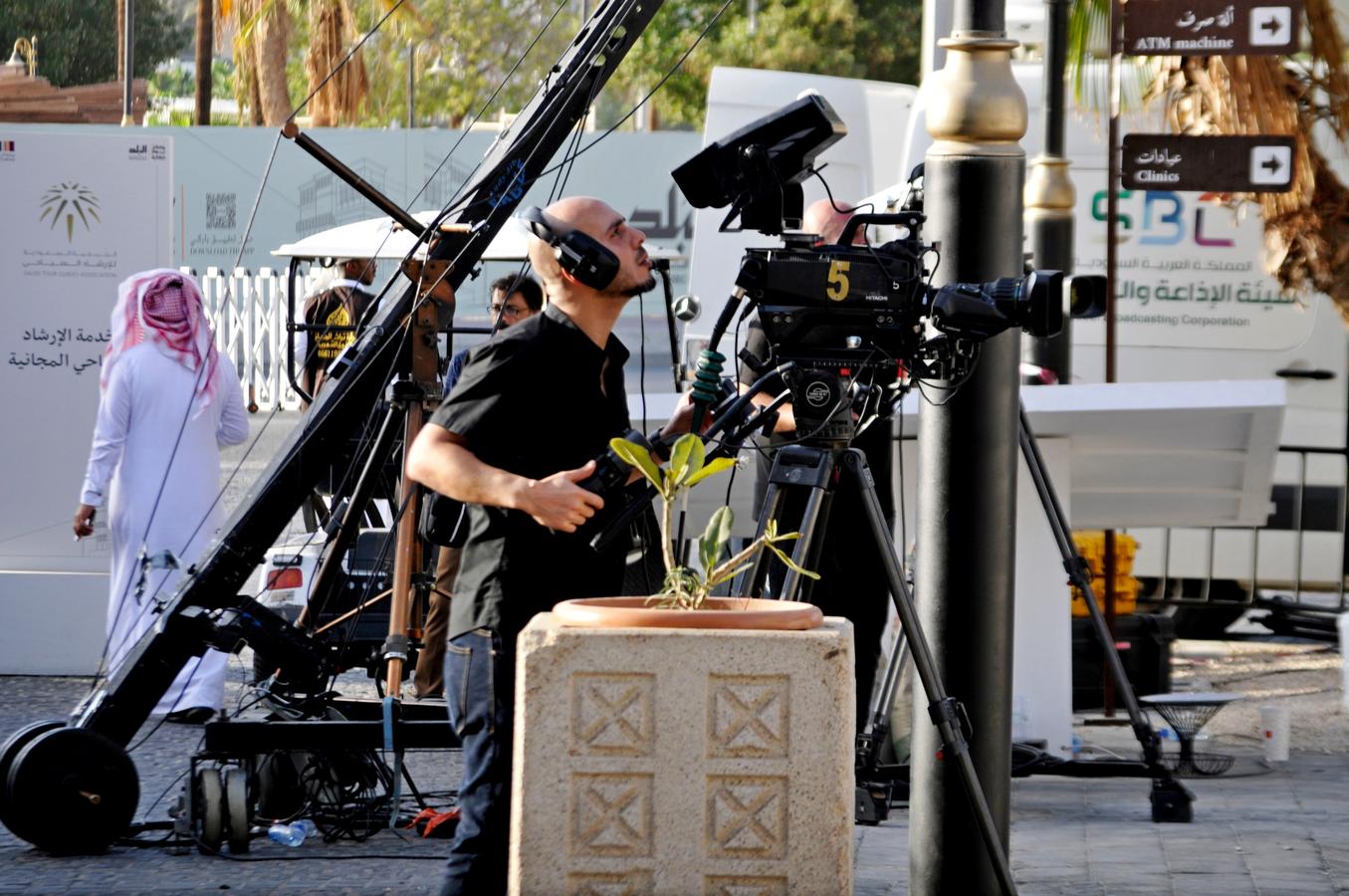
Saudi cinema is often described as a recent phenomenon, but that description misses an important point. Long before cinemas reopened in 2018, Saudi filmmakers were already telling stories—circulating them quietly through international festivals, private screenings, and online platforms. What has changed is not the existence of Saudi films, but their visibility.
One of the most internationally recognised Saudi films is Wadjda, directed by Haifaa al-Mansour. Often cited as the first feature-length film shot entirely in Saudi Arabia, it follows a young girl who dreams of owning a bicycle. The film’s strength lies in its restraint. By focusing on family life, school routines, and neighbourhood dynamics, it allows viewers to observe Saudi society without commentary or explanation. Its international success came precisely from this quiet confidence.
Al-Mansour later directed The Perfect Candidate, which reflects a different phase of Saudi life. The story follows a female doctor who runs for local office, not out of political ambition, but frustration with everyday bureaucracy. Roads, permits, and institutions take centre stage, presenting change as something negotiated gradually rather than declared from above.
Other well-known Saudi films signal a growing diversity of genres and voices. Route 10 uses the road-movie format to explore youth, masculinity, and regional identity, while The Book of Sun moves away from social realism, drawing instead on folklore and imagination. Animation has also found a strong audience through Masameer, whose sharp satire reflects a society increasingly comfortable with self-critique.
What are Saudi Films Usually About?
Most well-known Saudi films focus on everyday life rather than overt politics. Family relationships, social expectations, generational tension, bureaucracy, and small personal decisions appear far more often than ideology. Saudi cinema tends to observe society quietly, showing how people navigate rules, traditions, and change rather than openly debating them. This understated approach often surprises international audiences expecting louder narratives.
Which Saudi Films are Best Known Internationally?
Titles such as Wadjda and The Perfect Candidate remain the most widely recognised abroad, largely because they combine local specificity with universal themes. Their stories are rooted in Saudi life, yet accessible without cultural translation.
Where Can you Watch Saudi Films today?
Saudi films are now widely accessible. They are screened in cinemas across the Kingdom, featured regularly at international film festivals, and available on major global streaming platforms. What was once limited to niche audiences has become increasingly visible, allowing international viewers to encounter Saudi stories told by Saudis themselves.







 Oct 21, 2026
0 Comments
No comments yet. Be the first to comment!