 Oct 7, 2025
 Comments
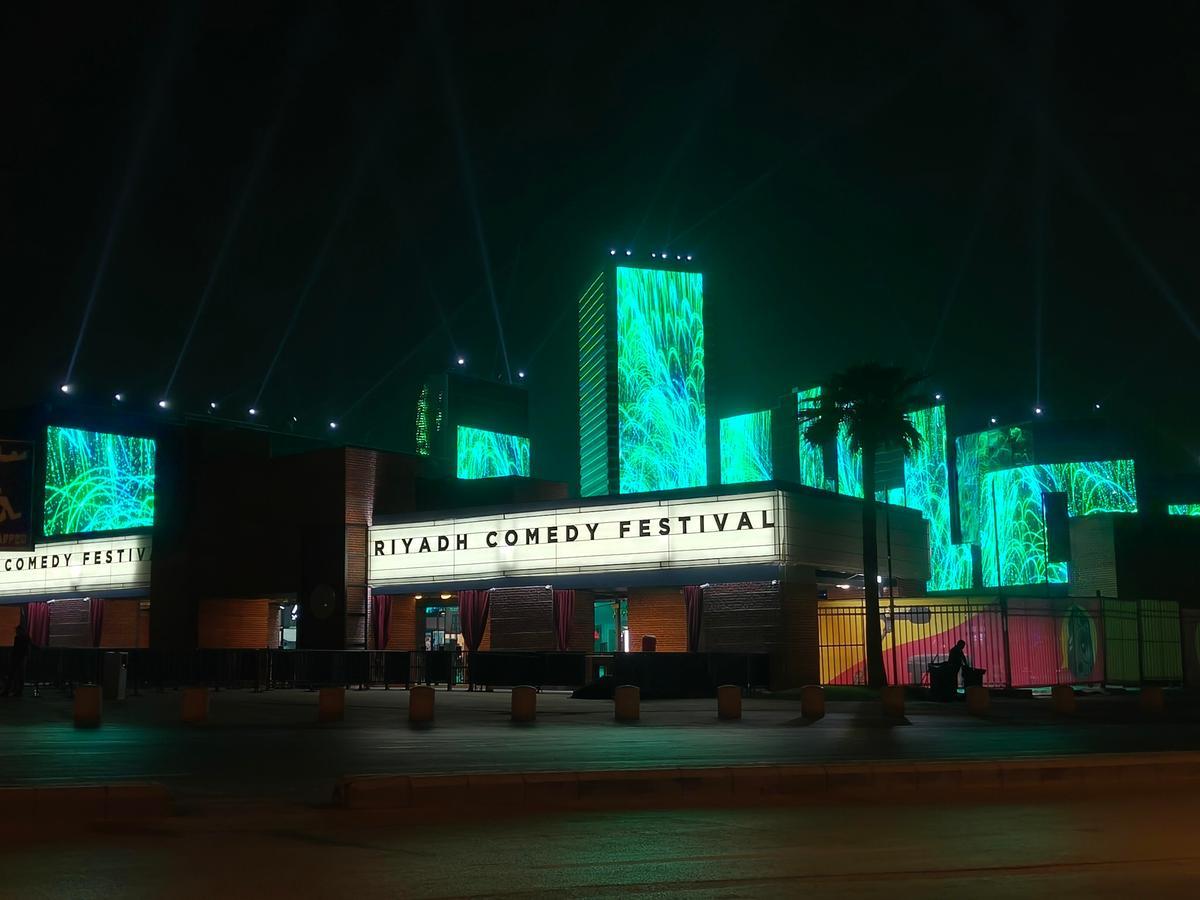
When thel Riyadh Comedy Festival opened in late September, the laughter carried more weight than usual. The two-week event - the first of its kind - is part of Riyadh Season, a state-backed entertainment programme that has turned the Saudi capital into a year-round stage. Tens of thousands have attended so far, watching some 50 global comedians perform in Boulevard City. What elsewhere might be a light diversion is here a sign of cultural change: a country once wary of public humour now hosts the world’s largest comedy gathering.
Since Riyadh Season began in 2019, Saudi Arabia has staged everything from boxing bouts to K-pop concerts, drawing millions of visitors and billions of riyals in spending. The comedy festival extends that campaign, both an assertion of normality and an invitation for outsiders to see a different Saudi Arabia. The question, as ever, is whether the world is ready to laugh along.
In Riyadh this autumn, the stage lights are brighter than ever. The Riyadh Comedy Festival 2025 has drawn some of America’s most recognizable names, from Pete Davidson to Dave Chappelle,, in what organisers call the largest stand-up gathering the region has ever seen.
For young Saudis filling the halls, it feels like a cultural turning point. “I never thought I’d hear live jokes from the people I only saw on Netflix,” says Maha, a 24-year-old student. For her, comedy arriving in Riyadh is more than entertainment, it signals Saudi Arabia’s cultural reforms, global openness, and the sense that the Kingdom is finally part of the international comedy circuit.
But outside Saudi Arabia, the same event has triggered an uproar. Critics accuse U.S. comedians of cashing in on Saudi money while ignoring human rights concerns. Podcaster Marc Maron, who declined the invitation, mocked the festival as “from the folks that brought you 9/11, two weeks of laughter in the desert - don’t miss it.”
Human Rights Watch went further, branding the festival a whitewashing exercise designed to soften Saudi Arabia’s image abroad. Contracts leaked by comedians such as Atsuko Okatsuka suggested tight restrictions on material - no jokes about religion, politics, or the royal family - raising questions about whether comedians were trading free speech for lucrative paychecks.
The backlash sharpened when Tim Dillon announced he’d been dropped from the lineup after making jokes about slavery on his podcast. He claimed organisers told him bluntly that his comments had crossed a line. To many critics, his removal confirmed that stand-up comedy in Saudi Arabia’s entertainment industry comes with limits. Yet others, like Chappelle, took a different view. On stage in Riyadh, he joked that he found it “easier to talk here than in America,” flipping the free-speech debate back on his detractors. To fans, his performance was proof that comedy could exist - and even thrive - within cultural boundaries.
The clash of views has left many Americans asking whether these comedians were endorsing Saudi Arabia’s government or simply performing for audiences who crave laughter. On social media, names like Davidson and Chappelle trended alongside phrases such as “Saudi Arabia human rights criticism and entertainment,” a reminder that comedy is rarely just comedy when politics is involved.
Inside Saudi Arabia, though, the atmosphere was electric. Local comedians shared the stage with US headliners, bringing uniquely Saudi material to a global audience. “It’s not only about them coming here,” says Fares, a 30-year-old Saudi comic. “It’s about us showing that we, too, have stories worth telling — in our own style.” For Saudi performers, the festival is a chance to prove that humour is part of Saudi society’s cultural transformation, not an imported product.
The scene itself carries a sense of novelty. In a city where cinemas reopened only in 2018 and concerts were long absent, a night of stand-up feels radical. Crowds spill out of venues, snapping selfies under neon festival banners. Jokes about dating apps, generational misunderstandings, and everyday frustrations draw laughter that is both familiar and new. “Why should fun be political?” asks Abdulrahman, a 29-year-old professional who attended multiple nights. “We want to laugh like everyone else. That’s all.”
Yet despite the external debates, the atmosphere inside the venues told another story, of Saudi youth and pop culture finding its rhythm. Whether one views the festival as a symbol of cultural progress or as a reflection of global tensions, it has undeniably put Saudi comedy on the map. And for a generation that grew up without public laughter, that alone feels like a punchline worth waiting for.
To outsiders, the laughter in Riyadh may sound staged. A spectacle of irony in a country long caricatured as humourless. Yet for Saudis, it feels more like a mirror finally tilted in their direction.
The global criticism surrounding this and other cultural events in Saudi Arabia reveals a gap that has persisted for decades, between how Saudis experience these moments and how outsiders interpret them. Saudis may share surface similarities with other societies in how they live, plan their futures, and define progress, yet their motivations and social context are distinct.
Neither side is entirely right or wrong. From a psychological and cultural perspective, it would be more valuable if both sought to understand where the other is coming from. That may be difficult - I know this from experience - but it is no less unfair to judge how others choose to live simply because their choices fall outside one’s own frame of understanding. This has long been the case for Gulf societies: misunderstood, rather than self-isolated.
What is needed now is a deeper respect for different perspectives - and for the realities that shape how people live and feel. In the global debate about the Riyadh Comedy Festival there were very few of the comments I’ve published from Saudis themselves who had a good time. Who didn’t feel whitewashed. Who loved the chance to laugh about their lives in a way that was perhaps hidden before. There is a value in that which has been lost in the headlines.






 Oct 21, 2026
0 Comments
No comments yet. Be the first to comment!