 Jul 24, 2025
 Comments
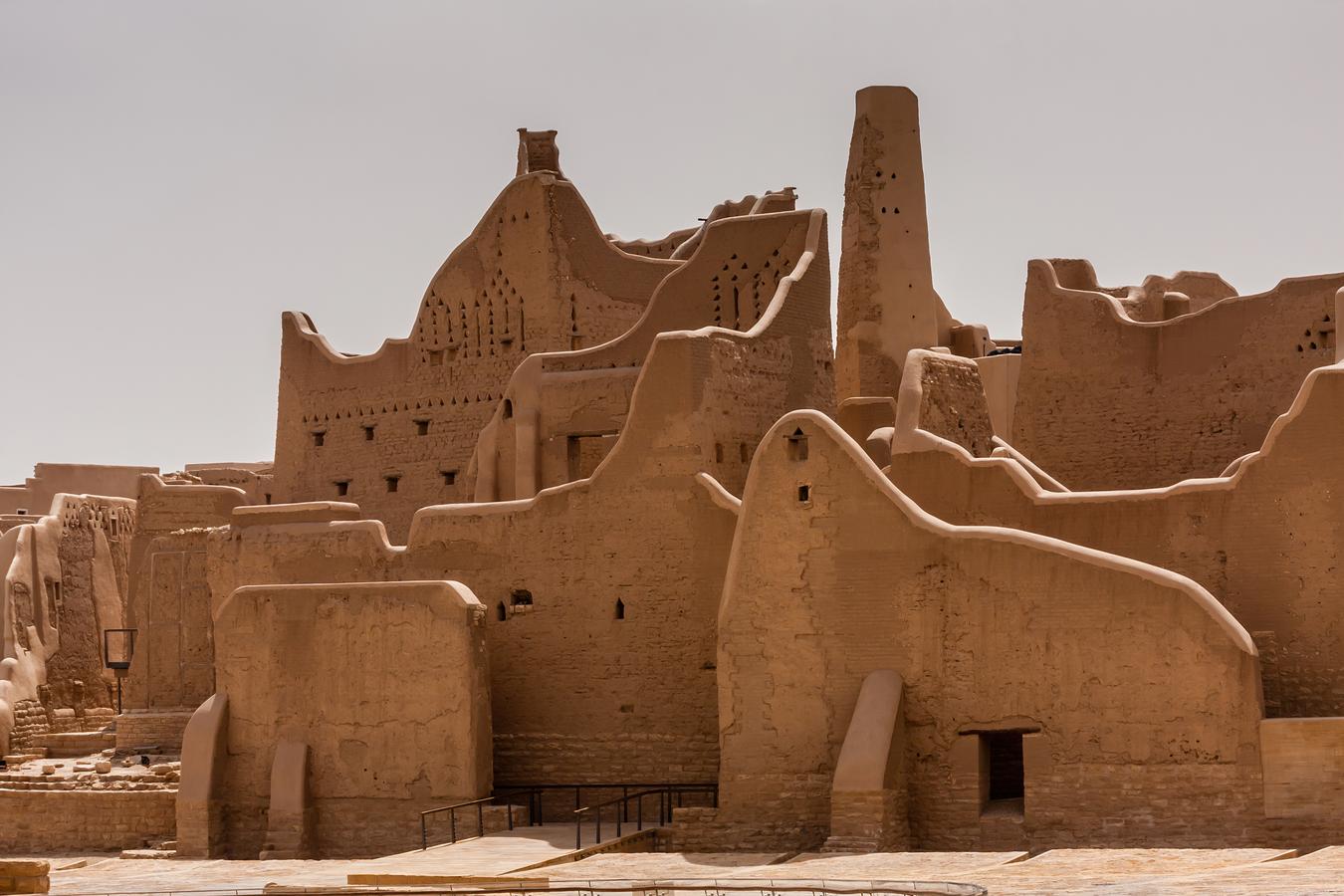
Saudi Arabia’s recent decision to add 744 new archaeological sites to its national register may seem like a technical update, but it carries weight far beyond numbers. For a country that’s rapidly reinventing itself, rediscovering the past has become part of shaping the future.
For years, much of the Kingdom’s ancient history—especially anything pre-Islamic—was downplayed or ignored. In the early decades of statehood, the focus was on religious heritage, tribal unity, and modern development. Pre-Islamic sites were often seen as irrelevant, or even uncomfortable, in a deeply religious society that wanted to unify around faith and identity. Schoolbooks, museums, and national narratives left little room for Nabatean temples, Dadanite kingdoms, or the traces of ancient global trade routes that once crossed the Arabian Peninsula.
But today’s Saudi Arabia is no longer content with a one-dimensional story. And young Saudis, who are growing up in a country that encourages questions, creativity, and openness, are ready for a fuller picture. To them, these archaeological finds are more than crumbling stones—they’re reminders that their homeland has been a crossroads of civilizations, cultures, and ideas for thousands of years.
Understanding that legacy changes something. It gives people a deeper sense of identity, rooted not only in religion and tradition, but in geography, trade, language, and time. And in a country developing at high speed, that kind of grounding matters.
It also matters for how Saudi Arabia presents itself to the world. Whether the goal is to attract tourists, investors, or collaborators, showing the country in full—not just as a religious hub or an economic powerhouse, but as a land of ancient depth—is essential. You can’t market only one slice of the story and expect people to understand the whole.
By investing in archaeology and cultural heritage, Saudi Arabia is doing more than preserving its past. It’s adding layers to its image—layers that make it more human, more relatable, and more intriguing to outsiders. And in doing so, it gives its own citizens, especially the younger ones, a richer sense of who they are and where they’re going.
Because sometimes, the best way to move forward is to start by looking down—and remembering what’s already under your feet.








 Oct 21, 2026
0 Comments
No comments yet. Be the first to comment!