 Jul 29, 2025
 Comments
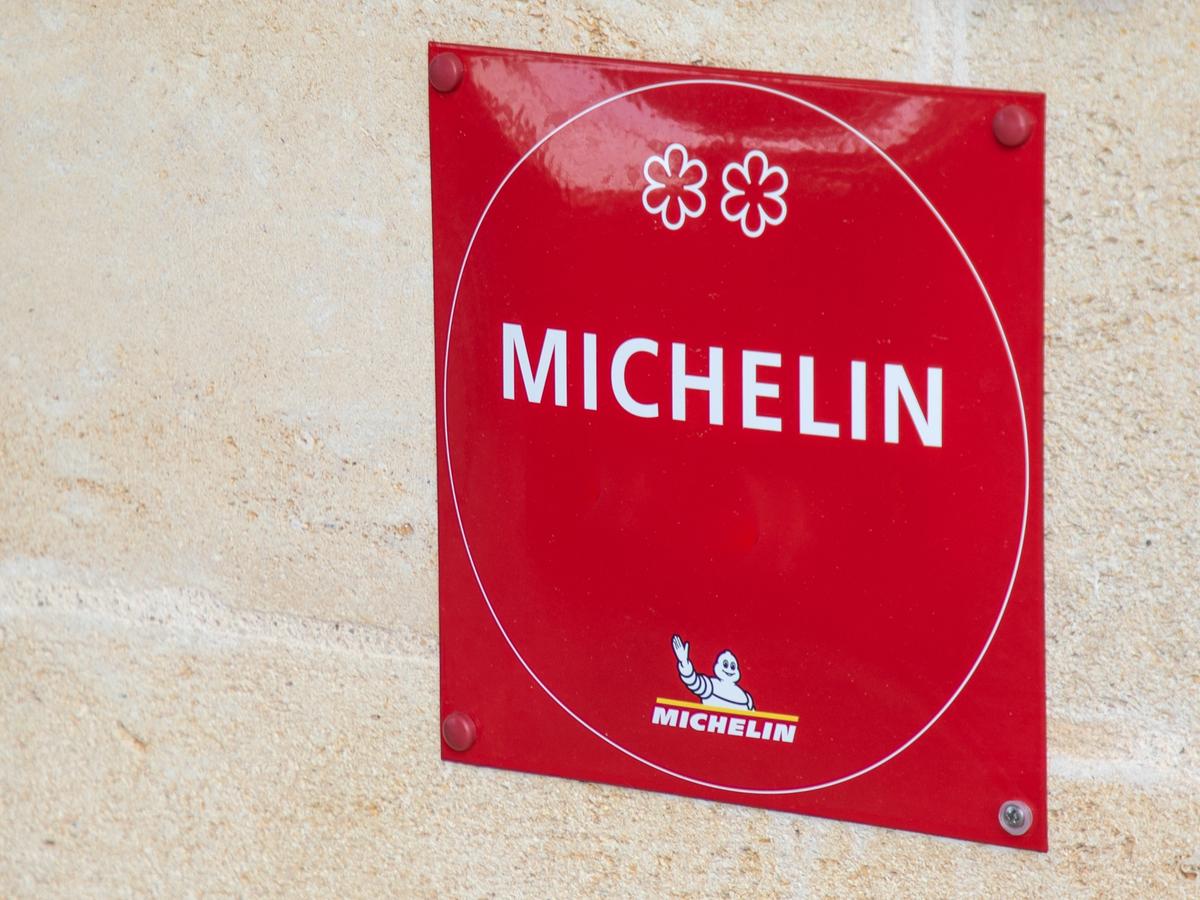
Saudi Arabia has officially joined the ranks of countries recognized by the MICHELIN Guide—the world’s most prestigious restaurant rating system. In 2025, the Kingdom will receive its first-ever MICHELIN stars, with selections covering Riyadh, Jeddah, AlUla, and Khobar. It’s a major milestone for the country’s culinary scene—signaling international recognition and putting local chefs and restaurants on the global map.
The arrival of the MICHELIN Guide in Saudi Arabia is, at first glance, a stamp of international culinary approval. Yet behind the polished launch lies something more telling: a glimpse into how food is becoming a mirror of societal change in Saudi Arabia.
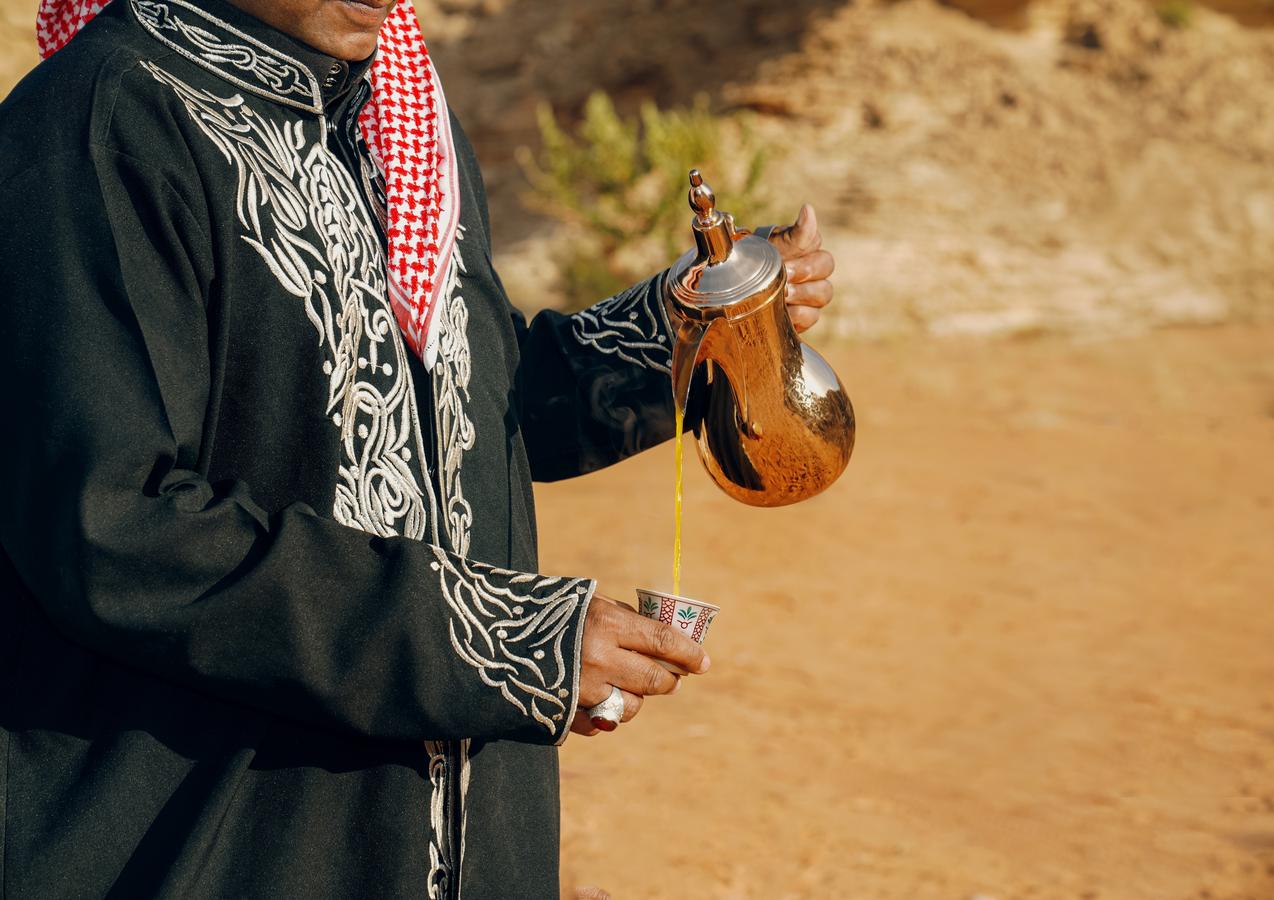
Food has long been a cornerstone of Saudi identity—not just as sustenance or hospitality, but as ritual and memory. Families still gather around saleeg or jareesh in ways that transcend generations. But in cities like Riyadh, Jeddah, and AlUla, a new scene is emerging. Young Saudis are plating these same dishes with tweezers and edible flowers, serving them in cafés that could be mistaken for those in Tokyo or Copenhagen. It’s a visual departure from the plastic tablecloths and aluminium trays of the past—but not necessarily a departure from cultural meaning.
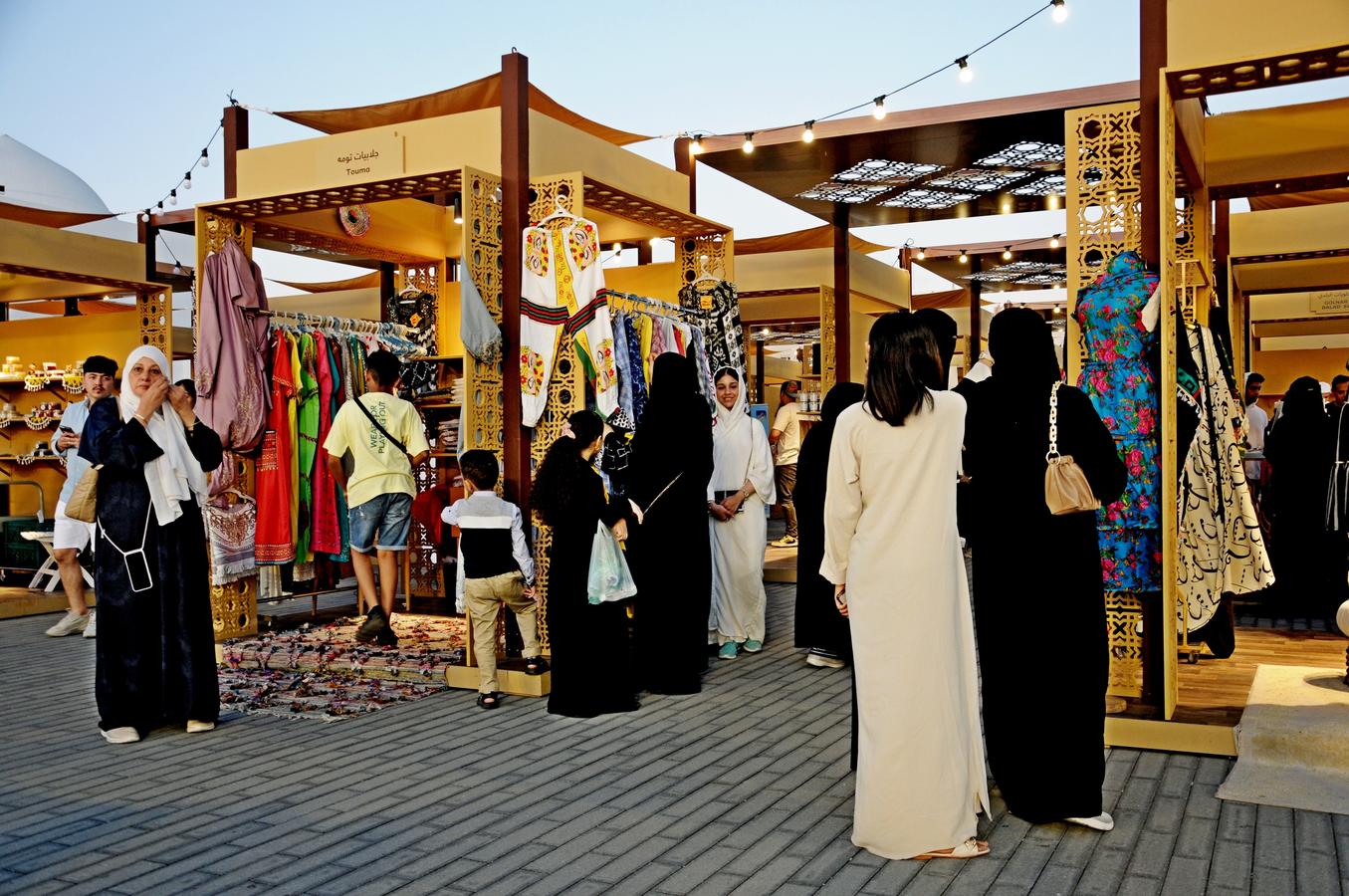
This transformation is not confined to fine dining. Food trucks, farmers’ markets, and boutique bakeries have multiplied, often founded by young Saudis—many of them women—testing the waters of entrepreneurship in a society where formal career options were once rigidly defined. Their menus often blend nostalgia with novelty: sambosas filled with dates and honey, mutabbaq paired with matcha lattes. The food itself becomes a conversation between the local and the global, and between past and present.
Public eating, too, tells its own story. The rise of lifestyle hubs like VIA Riyadh or Khobar’s waterfront reflects not just changing tastes, but changing norms. Where once cafés were largely male spaces or gender-segregated zones, they have become new arenas for public life—mixed, stylish, and often expensive. The question of who can afford to participate in this new culinary landscape is not always asked, but it lingers. While global brands and curated local ventures thrive, the everyday food culture of most Saudis—at home, in roadside diners, or during neighborhood gatherings—remains under the radar.
For some, the MICHELIN Guide’s arrival marks a long-awaited moment of cultural validation: that Saudi cuisine is not only worthy of celebration, but of global standards. For others, it raises more complex questions about whose version of culture gets spotlighted—and who gets left out of the frame.
In a country eager to present new faces to the world, food has become more than a symbol of tradition. It is now a field of reinvention, tension, and pride. But the real story lies not just in what’s on the plate—but in who’s at the table.






 Oct 21, 2026
0 Comments
No comments yet. Be the first to comment!