 Jul 8, 2025
 Comments
Nearly two weeks into the long-awaited summer break, families across Saudi Arabia are packing their bags. With schools out for a full two months, this is peak travel season—both for international getaways and, increasingly, for local adventures.
For those staying within Saudi Arabia, summer travel has quietly taken on a new energy—more accessible, more appealing, and more exciting than ever before.
Not so long ago, getting around Saudi Arabia felt like preparing for a mini-expedition. If you wanted to travel from Jeddah to Riyadh, you packed snacks, downloaded your entire music library (just in case), and prepared for delays—whether on the road or at the airport.
Flights were expensive, buses were slow (not that there were many, or that Saudis even considered getting on a bus), and driving across the desert was often the only real option. The heat didn’t help, and Saudi highways weren’t exactly filled with well-equipped rest stops like in Europe.
“I remember taking the 13-hour bus ride to visit my sister in Dammam,” says Nasser, a 50-year-old engineer. “The AC broke halfway, and the driver didn’t speak to anyone the entire trip.”
This was still the case in the early 2000s. Back then, cities were built for cars. If you didn’t drive, you didn’t move. Public transport barely existed, and more than that, it wasn’t really respected. For a Saudi to take a bus or a taxi just wasn’t very acceptable. I still remember the few times I had to take a taxi; I felt like I was committing a crime. Taxi drivers knew it was unusual for a Saudi to get in, and that made it feel unsafe.
Domestic travel usually meant long hours behind the wheel, especially for families who couldn’t afford the costly flights on the national carrier during school vacations. The option of taking a train simply didn’t exist.
All of which meant almost no one travelled for leisure within the country. Vacation meant leaving Saudi, not exploring it.
How times have changed.
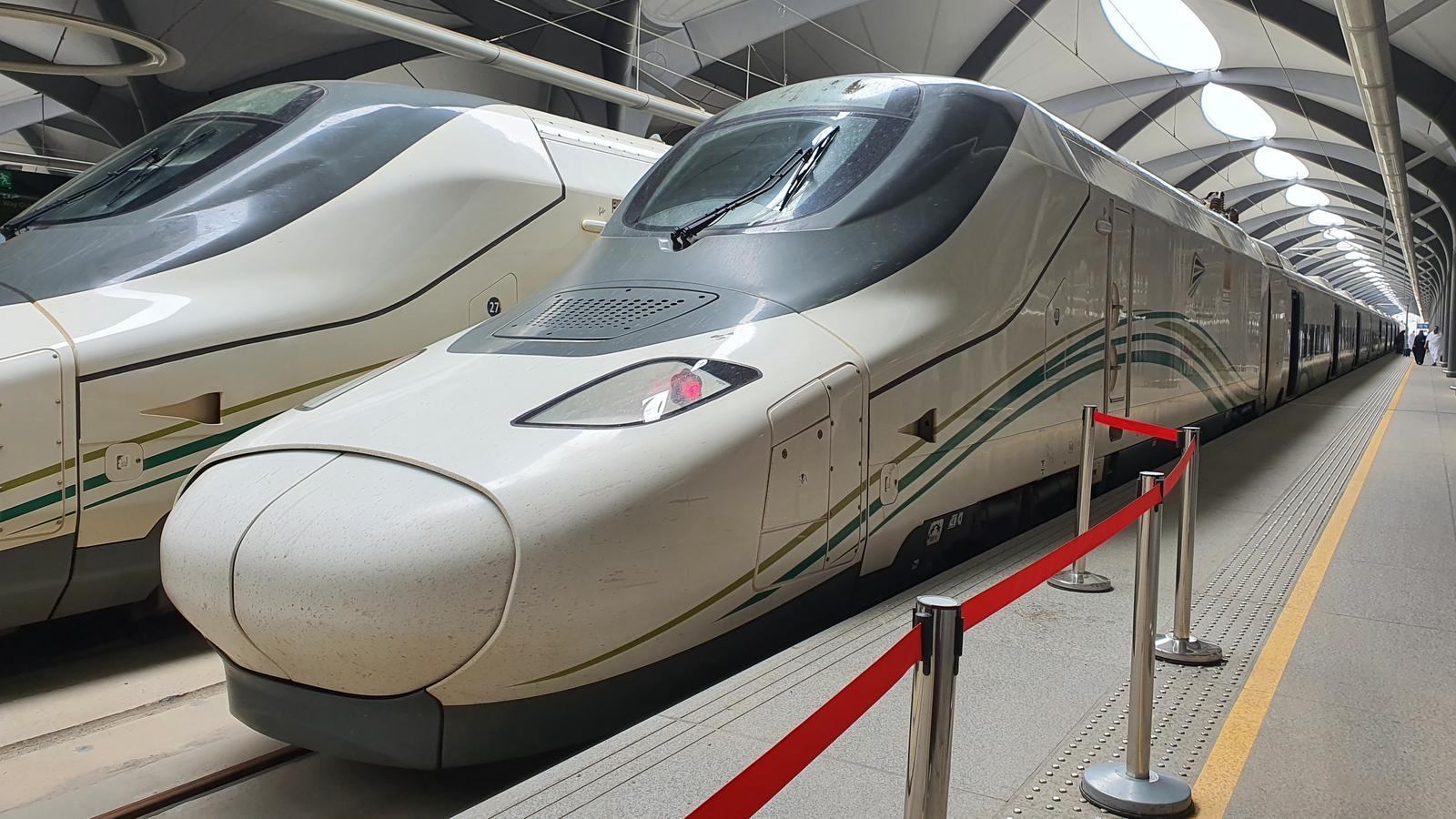
You can now fly between major cities in under two hours, often on a low-cost airline. Routes have multiplied, prices have dropped, options and offers are endless, and booking a ticket is as easy as opening an app. And in the western region, the Haramain high-speed train glides through the desert, linking the holy cities of Makkah and Madinah with Jeddah and King Abdullah Economic City. It’s not just pilgrims using it; families, students, and business travellers are among the regular passengers.
“My friends and I in the past used to think: ‘Where would we even go?’” says Dana, a 28-year-old graphic designer from Jeddah. “Now we do road trips instead of flying out. There are cafés in the mountains and yoga retreats in the desert.”
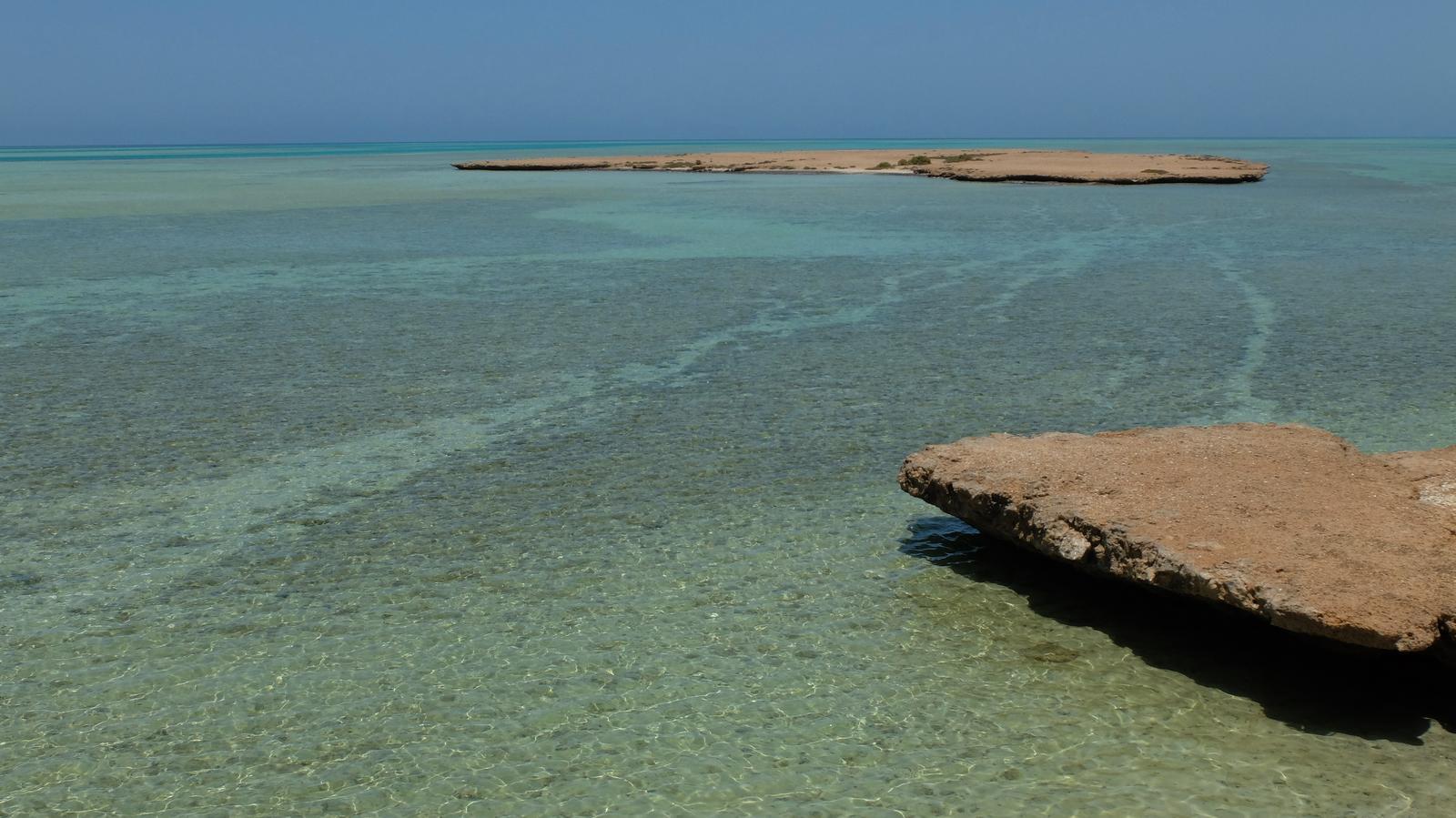
What Dana says is fascinating because it does reveal a change in both infrastructure and mindset. For years, domestic travel felt like a chore. Today, it’s becoming part of everyday life. Saudis are discovering their own backyard—from the green highlands of Abha to the untouched beaches of Umluj—and the roads, flights, and services are starting to match that interest.
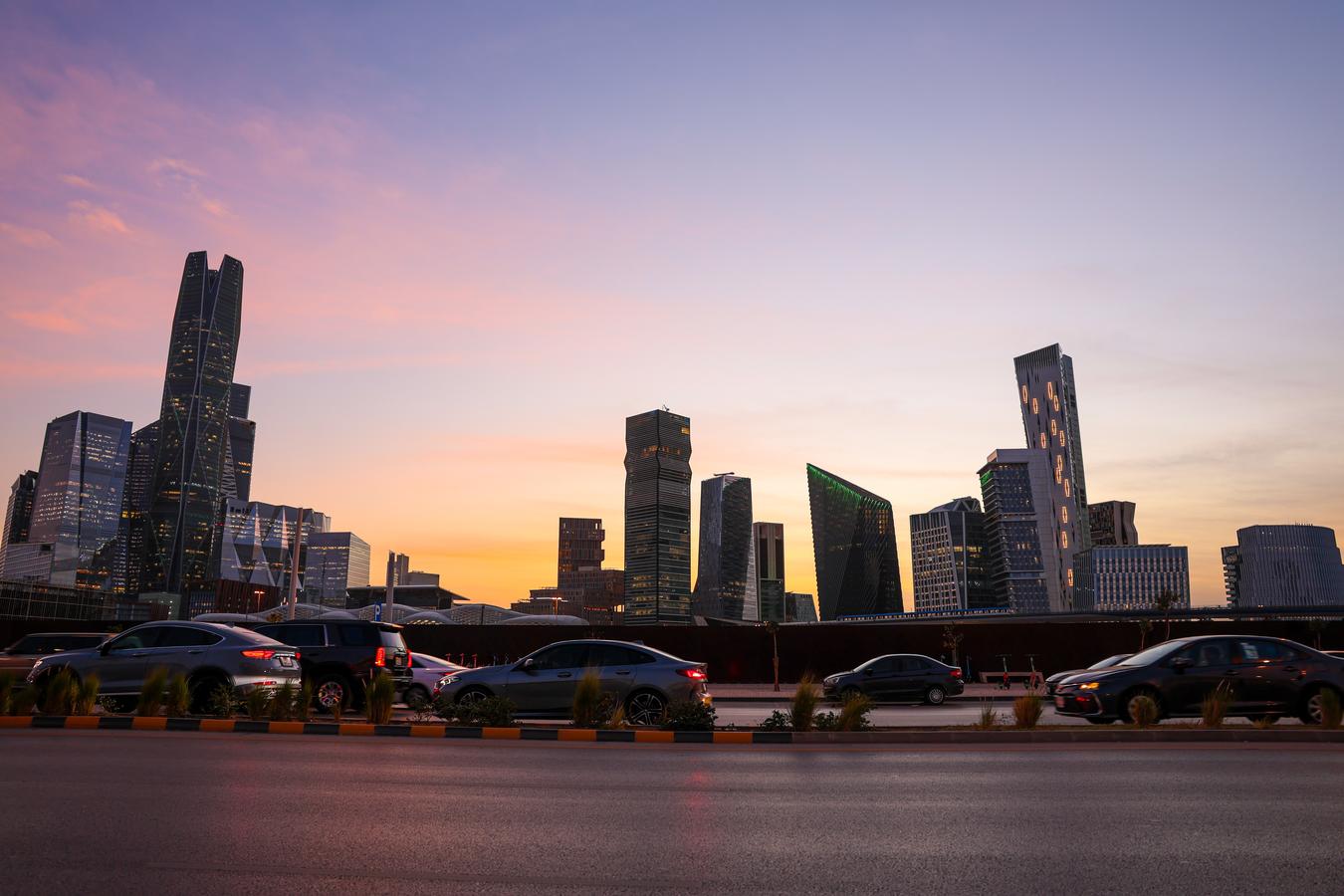
Admittedly, in Riyadh, traffic still clogs the streets and drives locals to distraction, but a quieter transformation is underway. The city’s new metro system, with six lines and dozens of stations, is nearing completion. Once it opens, it’ll be the largest public transport network in the Arab world. Electric buses are already moving through parts of the city, and pedestrian-friendly areas are slowly emerging.
In smaller cities, progress is slower but noticeable. Ride-hailing apps like Careem have made it easier for those without cars to get around, especially women. Shared scooters, walking paths, and improved signage hint at a different rhythm of city life taking root.
Layla, a retired teacher, sums it up: “When I was younger, travelling inside Saudi felt like crossing a continent. Now, it feels like we’re finally connected.”
Still, not everything runs smoothly. Train tickets sell out quickly during holidays. In some towns, taxis remain unreliable. And in rural areas, infrastructure still needs attention. But the momentum is there. What used to be a scattered, car-dependent country is learning how to move—better, faster, and more freely.








 Oct 21, 2026
0 Comments
No comments yet. Be the first to comment!