 Dec 18, 2025
 Comments

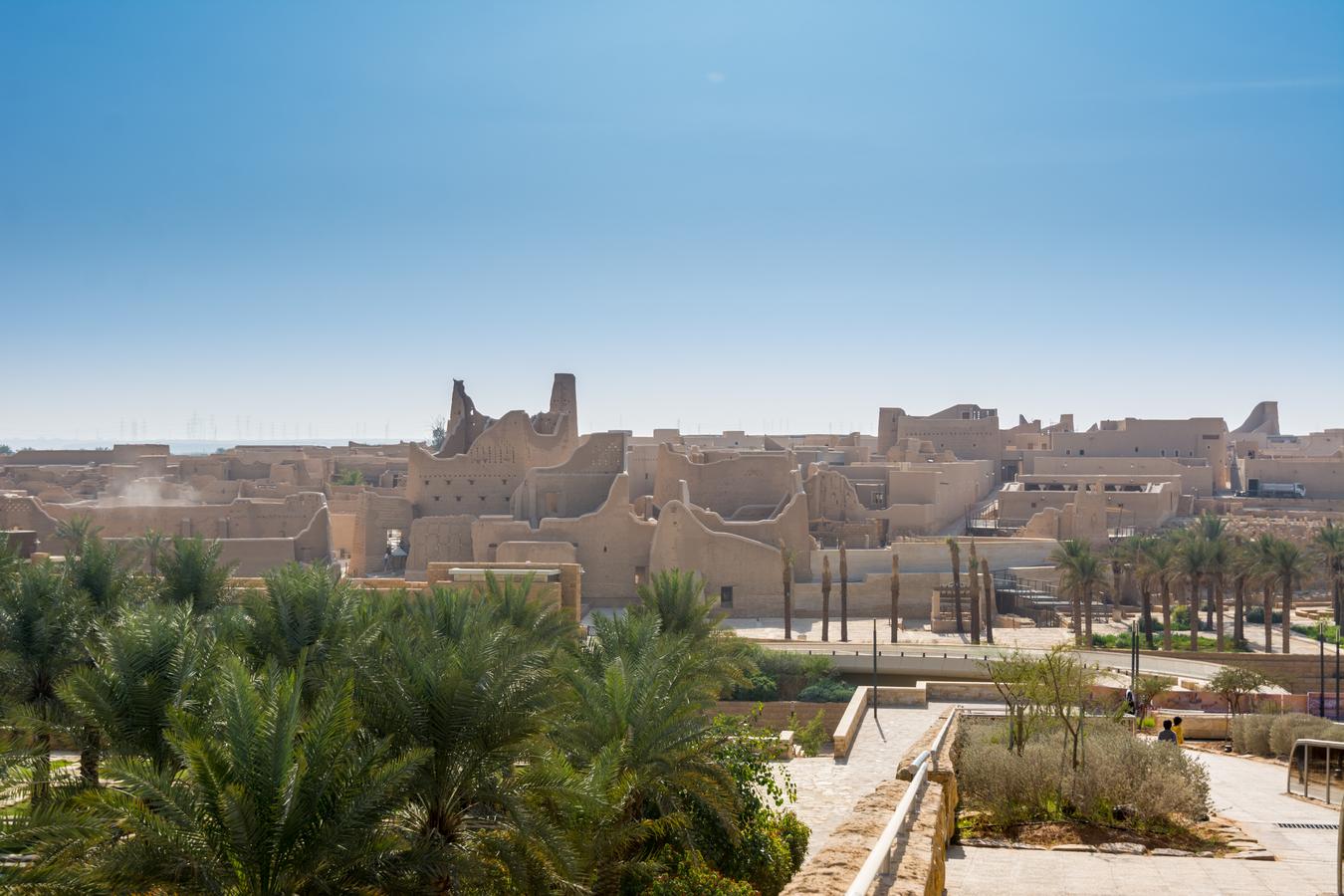
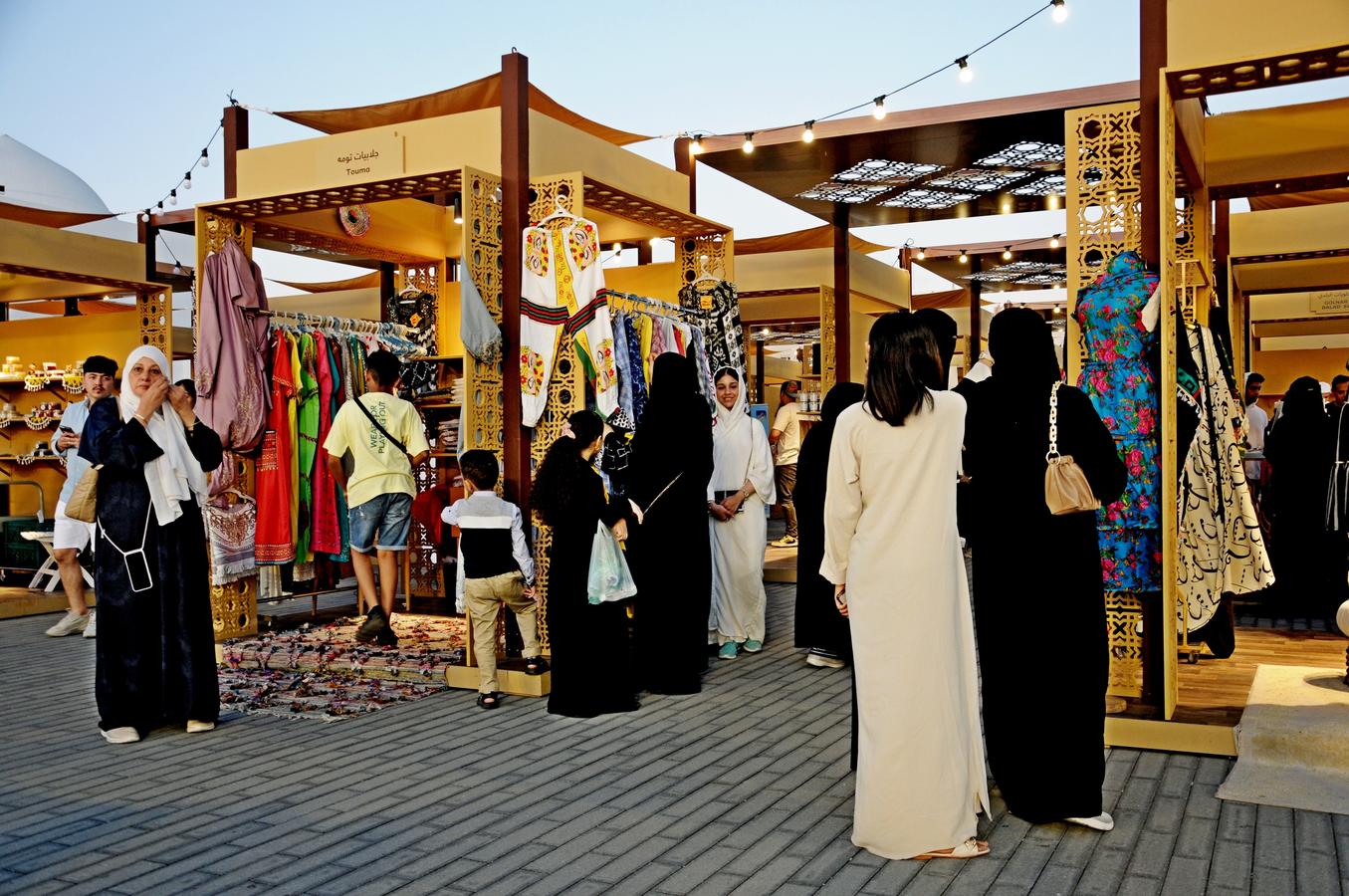
Life in the Gulf changes quickly, and exhibitions like Making Space remind me why photography in the Gulf has mattered here for so long. Many of the region’s most telling stories were never written down; they were lived quietly and carried through images. Older black-and-white photographs, in particular, held on to routine, shared space, and the texture of everyday life—how people gathered, waited, worked, and occupied the city before speed and scale reshaped it. They recorded how life felt, not because they were meant to archive history, but because someone happened to look closely at an ordinary moment.
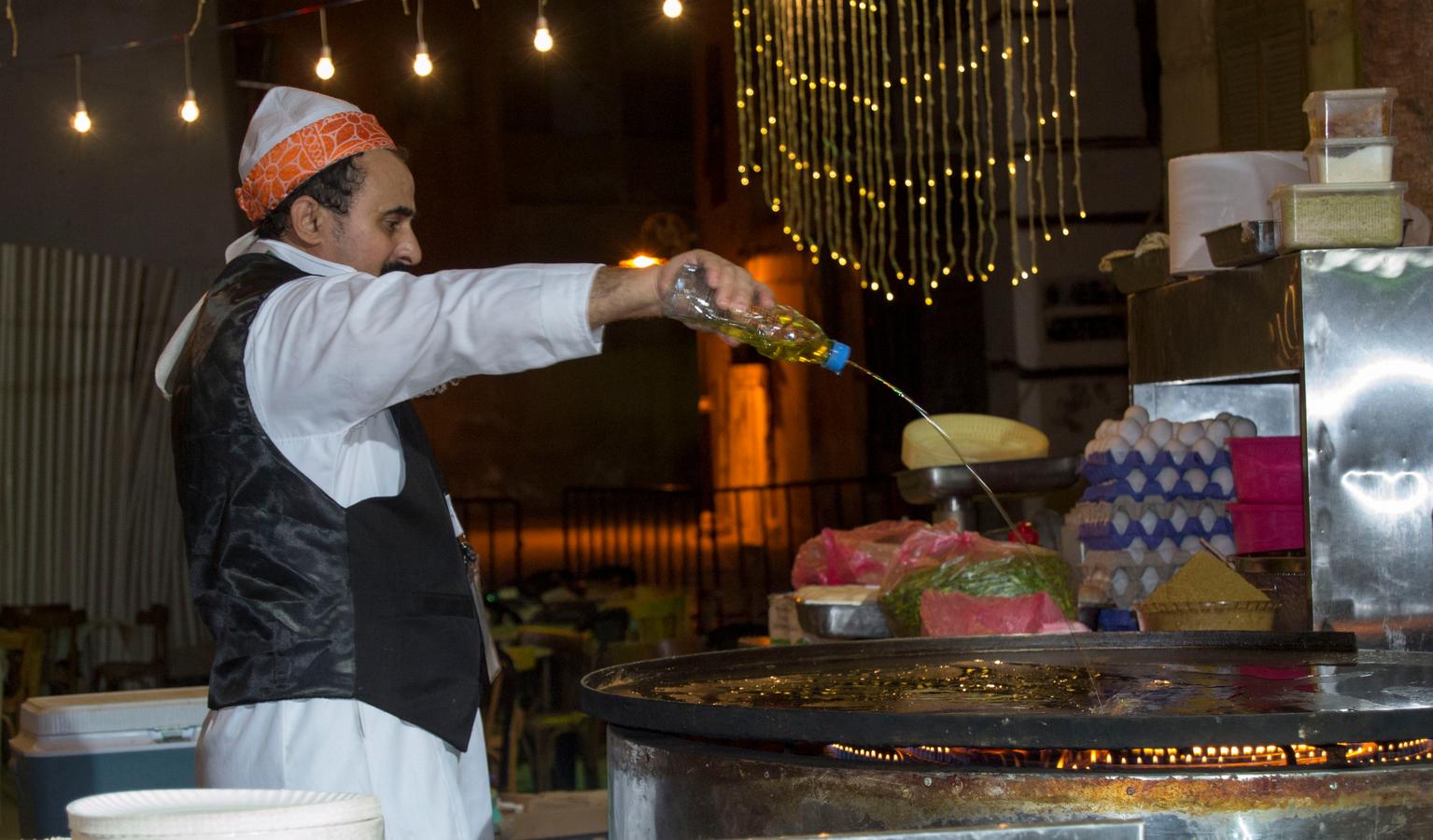
That sensibility is what I recognise in Narrative Lens: photography not as spectacle, but as observation. This way of seeing has long existed in Saudi photography and Gulf visual culture. Long before exhibitions and institutions gave it a formal language, photographers like Khalid Khudr (خالد خضر) were already documenting everyday life as it was—streets, gestures, and social spaces—without trying to explain them. The images mattered because they paid attention. They trusted familiarity and proximity, rather than distance or drama, to give meaning.
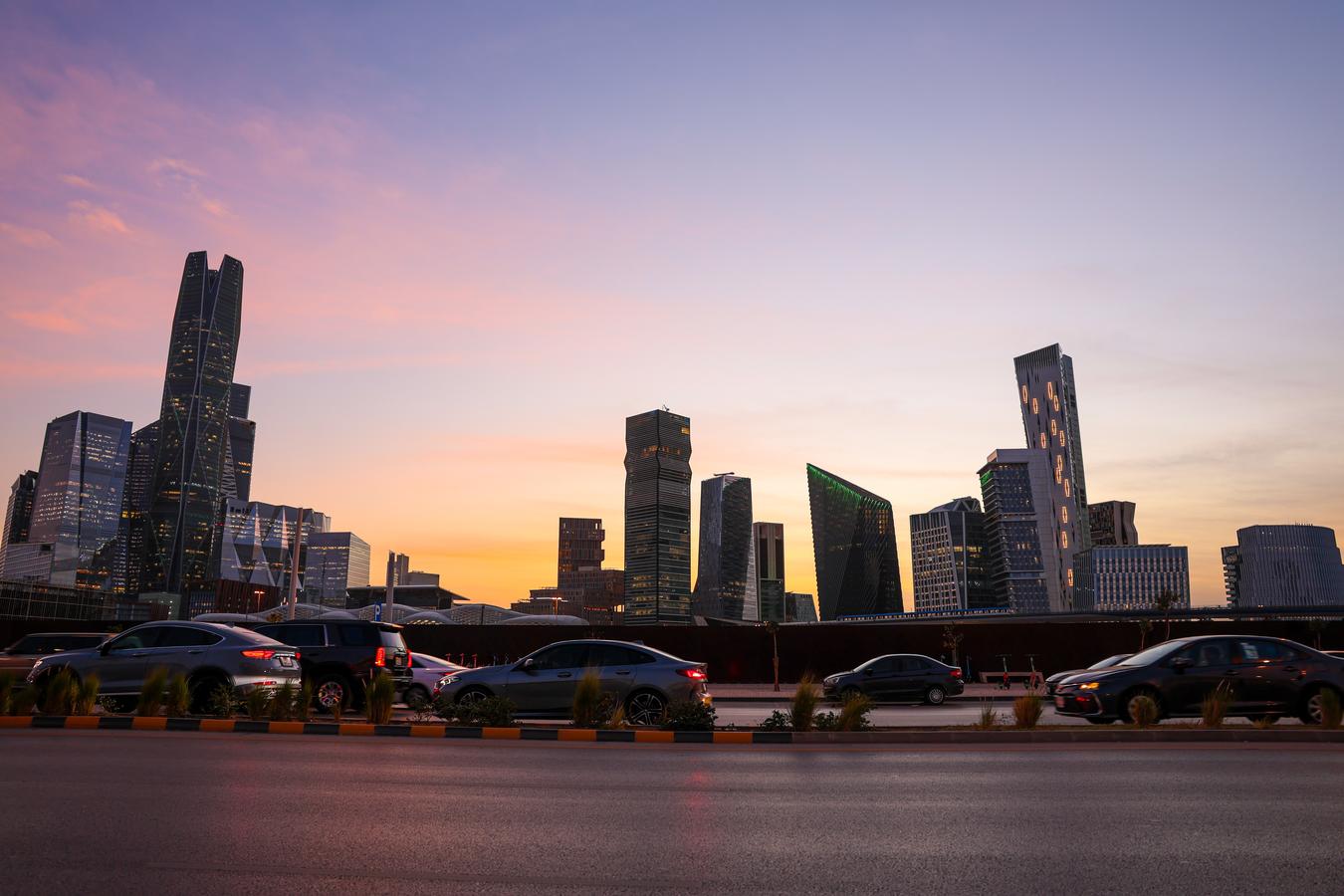
What feels different today is the growing interest around images themselves. A younger generation of photographers across Saudi Arabia and the wider Gulf region is developing in response to that curiosity—a desire to see, to feel, and to recognise fragments of their own lives in photographs. There is less concern now with how the region appears from the outside, and more interest in how it is experienced from within. The camera has become less about producing a statement for external audiences and more about reflecting everyday realities back to those living inside the frame.
Those of us who grew up with photographs in family albums, schoolbooks, or public exhibitions recognise this instinctively. Photography was a way of holding on to a moment before it passed, of preserving social memory in Saudi Arabia without explanation. As the Gulf continues to change, the images being made now will one day serve the same role—becoming the record people return to when they want to remember not what was announced, but how life once felt.









 Oct 18, 2026
0 Comments
No comments yet. Be the first to comment!