 Jun 8, 2026
 Comments

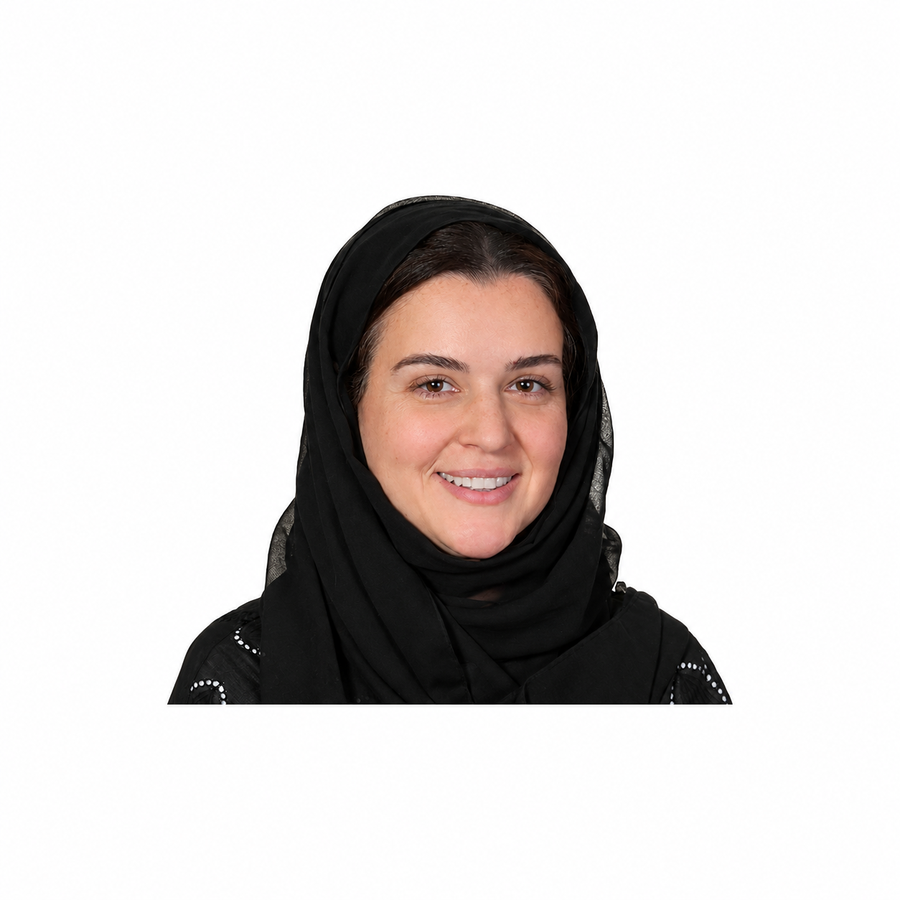
For more than two decades, Corina Goetz has worked at the intersection of hospitality, diplomacy and international business — advising royals, government officials and senior executives across London and Germany. In this piece written exclusively for SaudiTimes, she explores why many Western companies still misunderstand Saudi Arabia despite the Kingdom’s rapid transformation under Vision 2030.
Drawing on her experience in cultural consultancy and Saudi business etiquette, Goetz argues that success in the Kingdom depends less on generic “Middle East” assumptions and more on understanding the cultural diversity, regional differences and evolving business landscape shaping modern Saudi Arabia.
For all the global attention the Gulf receives, many international companies still approach the region as if it were culturally uniform. The phrase “the GCC market” is used as shorthand for a single way of thinking, negotiating, and operating. In practice, this assumption is one of the most common reasons well-resourced, well-intentioned ventures struggle to gain traction.
The Gulf is not one culture with multiple flags. It is a constellation of histories, power structures, family dynamics, and regional identities that shape how trust is built and decisions are made. Treating it as a single cultural block may feel efficient on a slide deck, but it is rarely effective on the ground.
Saudi Arabia illustrates this more clearly than any other country in the region.
Despite its size and influence, it is often approached with rigid frameworks: a checklist of “Saudi norms,” a fixed protocol, a narrow idea of what authority looks like. These frameworks are usually inherited - passed down from earlier decades, older business manuals, or second-hand anecdotes - and they tend to collapse quickly when confronted with reality.
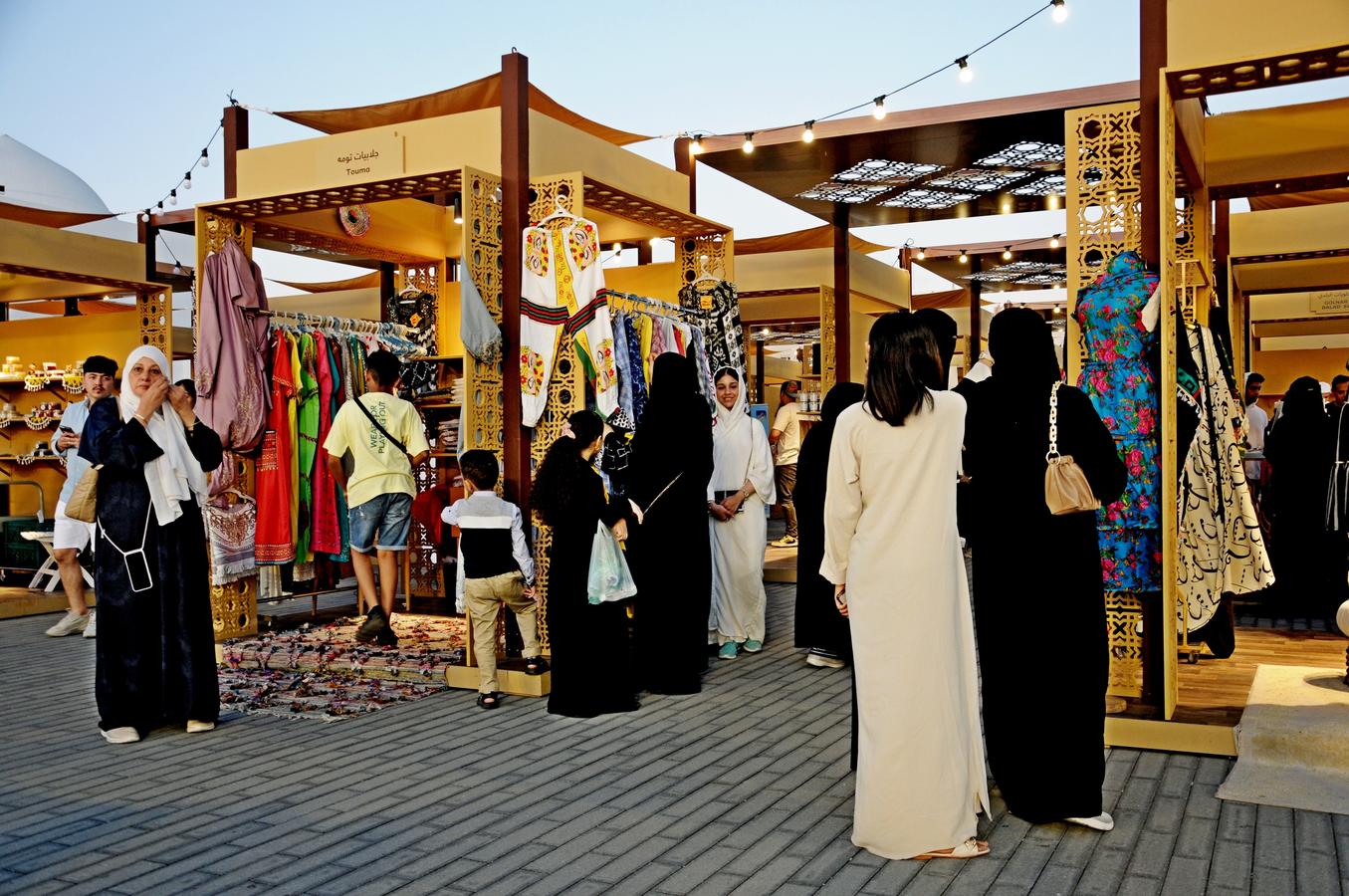
Jeddah does not operate like Riyadh. AlUla does not move at the same pace as the Eastern Province. The south carries rhythms, values, and social cues that are rarely reflected in corporate briefings.
Yet many international players arrive expecting a single behavioural code to apply everywhere. When it doesn’t, they assume the problem lies in execution, rather than in the assumptions they brought with them.
In my work advising Western decision-makers, I often see highly capable executives misread situations not because they lack respect, but because they rely on static interpretations of culture. They expect certainty where adaptability is required. They search for rules when they should be reading the room.
This is particularly visible when it comes to perceptions of authority, and especially perceptions of Arab women.
Outdated stereotypes still linger: that authority is always male, that influence is always formal, that hierarchy is rigid and visible. In reality, Saudi Arabia today operates through a far more nuanced balance of tradition, modernity, and personal credibility. Authority may sit in a title, but just as often it sits in reputation, networks, or trust built quietly over time. Western executives who arrive expecting authority to announce itself often miss it entirely.
Part of my role has been to act as a bridge - not by “translating Saudi culture” into simplified rules, but by helping international leaders unlearn assumptions that no longer serve them. This often means shifting the question from “What should I do?” to “How should I adapt?” The difference matters.
Cultural success in Saudi Arabia today is less about perception management and more about behavioural intelligence. It is not about appearing respectful; it is about being observant. It is not about memorising etiquette; it is about understanding context.
Those who succeed tend to do three things well.
First, they recognise regional diversity within the Kingdom and adjust accordingly - not just in tone, but in pacing, expectations, and relationship-building. They understand that alignment in one city does not automatically translate elsewhere.
Second, they move away from rigid playbooks. They remain anchored in respect, but flexible in approach. They ask better questions. They listen longer. They allow relationships to develop at their own speed rather than forcing premature outcomes.
Third, they understand that credibility in Saudi Arabia is cumulative. It is built through consistency, discretion, and the ability to show up appropriately over time, not through grand gestures or performative familiarity.
This shift from rule-based engagement to adaptive presence is where many Western organisations struggle. But it is also where the greatest opportunity lies. Saudi Arabia is evolving quickly, but not randomly. Change here is deliberate, layered, and rooted in long-term vision. Those who approach the country with curiosity rather than certainty tend to find doors opening that others never realise existed.
In contrast, those who arrive convinced they already “understand the market” often plateau early. They may secure meetings, even sign initial agreements, but without cultural fluency, momentum fades.
The irony is that most of these missteps are invisible. Deals do not collapse dramatically; they simply stop progressing. Communication becomes slower. Enthusiasm cools. Opportunities quietly move elsewhere. And because nothing overtly “went wrong,” the lesson is rarely learned.
Saudi Arabia does not require outsiders to abandon who they are. But it does require them to evolve how they engage. The Kingdom rewards those who are willing to adapt, not once, but continuously. Understanding this difference is no longer optional. It is the dividing line between those who merely enter the market, and those who are trusted within it.










 Oct 26, 2026

0 Comments
No comments yet. Be the first to comment!