 Nov 4, 2025
 Comments
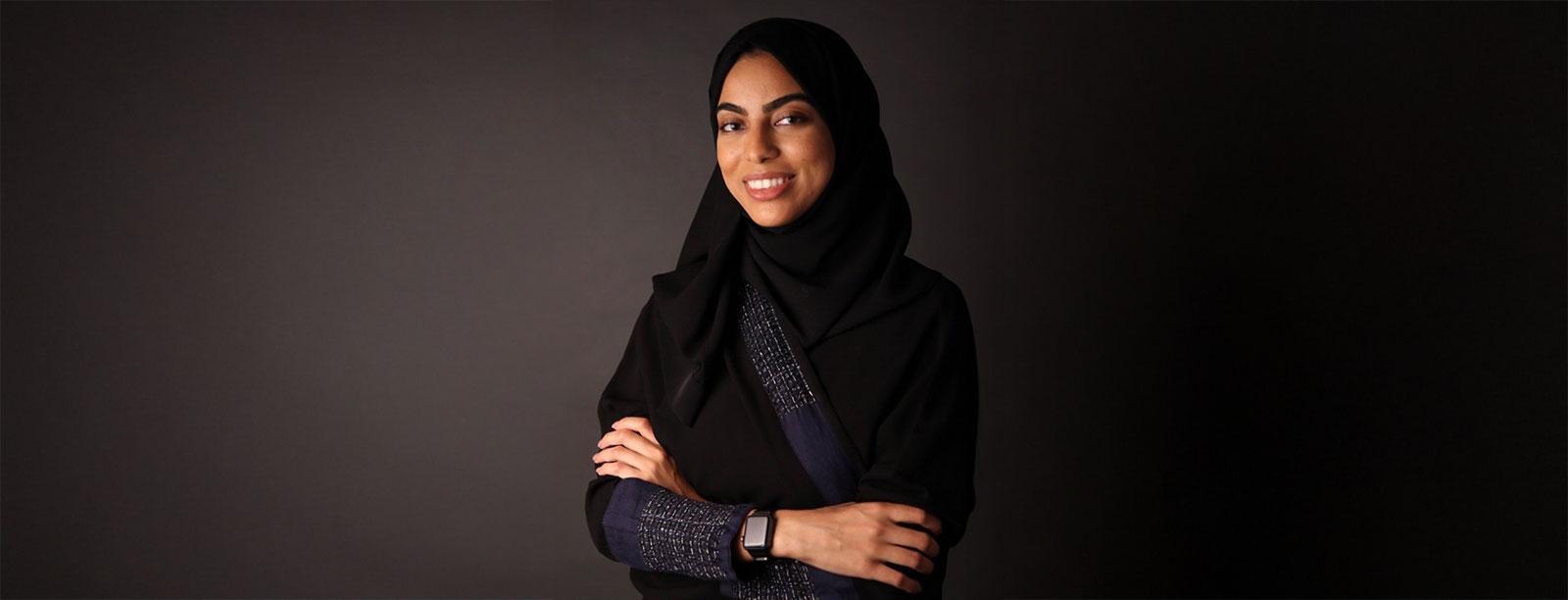
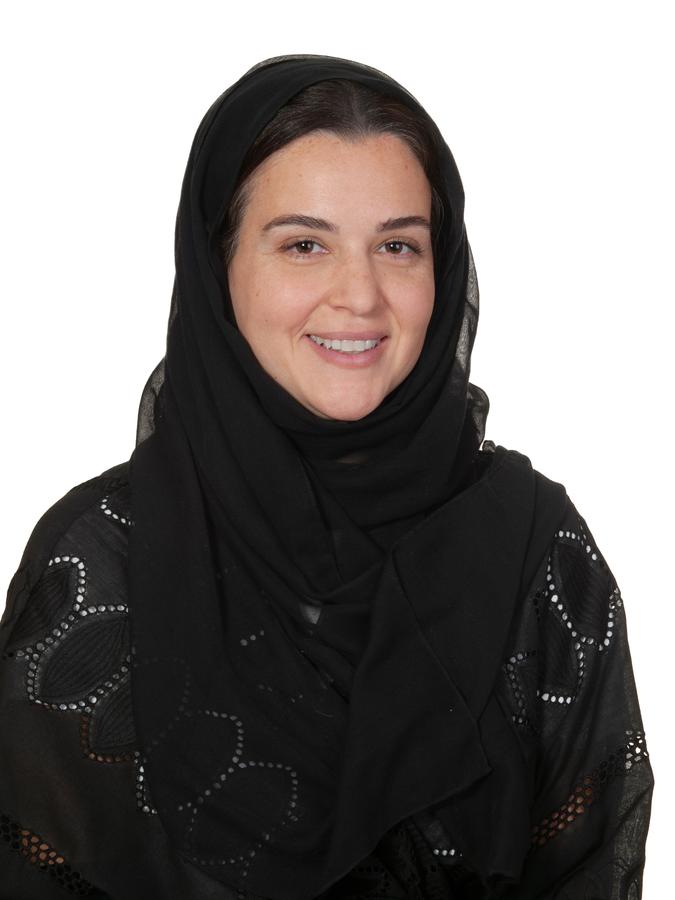
In an interview with SaudiTimes, Rowa Talal Fitaihi offers a window into a career shaped by purpose, precision, and the quiet force of continuity between values and action. Born and raised in Jeddah—Saudi Arabia’s cosmopolitan gateway to the Red Sea—she grew up in a household where service and education were deeply respected. Her later move to the United Kingdom for high school and university widened her perspective, exposing her to diverse cultures and sharpening her interest in languages, including Spanish. But it was humanitarian work, not only language or policy, that spoke to her sense of responsibility.
From volunteering with charitable organizations in both Saudi Arabia and the UK to eventually working for the United Nations High Commissioner for Refugees (UNHCR), Rowa has followed a path that blends local commitment with global strategy. Today, she serves as Assistant Private Sector Partnerships and Philanthropy Officer at UNHCR Saudi Arabia, where she manages philanthropic portfolios, develops funding mechanisms, and forges cross-sector collaborations—all in service of those displaced by conflict and crisis.
Armed with a master’s degree in finance, investment, and risk from the University of Kent, she brings analytical depth to a field often powered by empathy. Her work is part negotiation, part bridge-building: connecting the intent of Islamic giving traditions with the operational needs of global aid systems. Whether coordinating with KSrelief, promoting zakat-based funds, or participating in missions to refugee communities, Rowa represents a generation of Saudis redefining what humanitarian engagement looks like—quietly, steadily, and with remarkable clarity of purpose.
Q: Your work at UNHCR in Saudi Arabia sits at the intersection of philanthropy and diplomacy. How would you describe Saudi Arabia’s motivations when it comes to supporting refugee causes?
A: Saudi Arabia plays a strategic role in the humanitarian sector, with a partnership with UNHCR that spans over 30 years. This collaboration includes not only the government but also semi-government entities and the private sector.
Over the past decade, total donations from Saudi Arabia to UNHCR have exceeded $320 million. The Kingdom is one of the top GCC countries funding UNHCR and ranks among the top 20 countries worldwide in supporting refugees. This significant financial commitment underscores Saudi Arabia's dedication to alleviating human suffering and promoting sustainability, aligning with global humanitarian principles.
Q: Islamic giving traditions like zakat and sadaqah have deep roots in Saudi society. How effectively are these being adapted into the formal structures of international humanitarian work?
A: Islamic giving is integral to Saudi society and has been effectively integrated into the formal structures of international humanitarian work. UNHCR has emerged as a pioneer in Islamic philanthropy within the UN and international humanitarian system by establishing the first structured Global Refugee Zakat Fund, gaining religious legitimacy, and integrating faith-based giving into global humanitarian financing. This leadership has set a benchmark for other agencies to follow in leveraging Islamic social finance for humanitarian impact.
UNHCR’s Islamic philanthropy efforts, through its Refugee Zakat Fund, have been instrumental in channeling zakat and sadaqah contributions to support refugees and displaced persons. Nearly 50% of the world's refugees and IDPs originate from member states of the Organization for Islamic Cooperation (OIC), and many of them fall under at least four of the eight categories of zakat recipients.
The Refugee Zakat Fund is subject to rigorous governance and oversight, ensuring transparency at every step, from donation to provision of assistance. Backed by 17 fatwas, UNHCR follows a 100% zakat distribution policy, ensuring the entirety of zakat contributions directly reach eligible beneficiaries. Complementing this, the Global Islamic Fund for Refugees (GIFR), launched by UNHCR in partnership with the Islamic Development Bank (IsDB), with KSrelief being a key member of the GIFR governance board, further institutionalises Islamic giving through sustainable, Sharia-compliant mechanisms like waqf—reinforcing Saudi Arabia’s leadership in global humanitarian efforts.
Q: Partnerships with Saudi organizations such as KSrelief have expanded UNHCR’s presence. How much of this growth is driven by grassroots social values, and how much by broader strategic ambitions?
A: The growth of UNHCR’s presence through partnerships with Saudi organizations like KSrelief is driven by a combination of social values and international engagement. On one hand, there is a strong cultural and religious impetus to support humanitarian causes, which is deeply embedded in Saudi society. On the other hand, these partnerships also align with Saudi Arabia’s Vision 2030, which aims to enhance the Kingdom’s global standing and influence through proactive engagement in international humanitarian efforts, as well as fulfilling the global Sustainable Development Goals (SDGs).
Q: Saudi Arabia’s younger generation is often described as more globally conscious. Have you found that younger Saudis are pushing for deeper engagement in refugee and humanitarian issues—or is philanthropy still largely traditional?
A: The younger generation in Saudi Arabia is indeed more globally conscious. While traditional forms of philanthropy remain significant, there is a noticeable shift towards more innovative and impactful approaches to giving. Young Saudis are leveraging technology and social media to raise awareness and mobilize resources, reflecting a more dynamic and engaged approach to humanitarian work.
A powerful example of this shift is the Gamers Without Borders (GWB) initiative, led by the Saudi Esports Federation. As the world’s largest charitable e-gaming tournament, GWB has raised millions for global causes including refugee support through its partnership with UNHCR. By combining gaming with philanthropy under the slogan #GamingForGood, and engaging youth through various platforms, GWB makes humanitarian action accessible and relevant. It reflects how young Saudis are using digital culture to connect with global issues and drive meaningful change.
In 2023, UNHCR announced the appointment of renowned Saudi actress, singer, and public figure Aseel Omran as UNHCR’s Goodwill Ambassador, becoming the first Saudi to take on this role. She has been backing UNHCR’s efforts in responding to several displacement emergencies, in addition to supporting fundraising and advocacy campaigns in the Middle East, Asia, and Africa. In her role, Aseel utilizes her social platforms to raise awareness and promote the importance of solidarity and compassion in addressing the global displacement crisis. She also supports UNHCR's efforts to empower refugees, including through advocacy and visiting refugee camps and hosting communities.
Q: Where did you get your passion for humanitarian work, and can you think of a specific project you’ve worked on that you’re particularly proud of?
A: My passion for humanitarian work was shaped by a combination of personal values and lived experiences. Growing up in Jeddah, volunteering in local NGOs since a young age, and later it was during my time living in the UK that this passion truly took root. Being immersed in a multicultural environment exposed me to a wide range of global issues. I began volunteering with international organizations, which gave me a deeper understanding of the challenges faced by vulnerable communities and the importance of sustainable solutions.
Since joining UNHCR, I’ve had the privilege of contributing to several impactful missions, but two stand out. In Uganda, I participated in a field mission to Adjumani, where we documented the outcomes of a project aimed at improving food security and livelihoods for refugees and host communities. Engaging directly with farmers and witnessing how our partner’s support translated into tangible improvements in their lives was incredibly rewarding.
Another memorable mission was to Greece, where we gathered stories from refugees and local partners working on the ground. From language classes to job-matching platforms, the mission highlighted the resilience of displaced individuals and the importance of inclusive support systems. These experiences reaffirmed my belief in the power of storytelling and partnerships to drive meaningful change.
Q: You speak of Saudi Arabia’s dynamic environment. What encourages you most about the country as it moves towards fulfilling some of the ambitions of Vision 2030?
A: What encourages me most is the way Vision 2030 is unlocking the potential of individuals—especially youth and women—to contribute meaningfully to both national and global development. There’s a growing emphasis on innovation, cross-sector collaboration, and social impact, which is reshaping how we think about philanthropy.
In the humanitarian space, Saudi Arabia is increasingly stepping into a leadership role. Initiatives like the Global Islamic Fund for Refugees, partnerships with organizations like KSrelief, and youth-driven campaigns such as Gamers Without Borders reflect a shift toward more strategic, values-driven engagement. This momentum is translating into more strategic partnerships and a deeper commitment to long-term impact.






 Oct 21, 2026
2 Comments
Tarek fetaihi | Nov 4, 2025, 12:25
اشعر بالفخر ان بناتنا اصبحن على هذا المستوي من التعليم وخاصة بنات ال فتيحي كلهن ماشاء الله متفوقات ورفيعي المستوى اتمني لك روى مزيدا من النجاح والتوفيق. طارق فتيحي
Nadia Fetaihi | Nov 4, 2025, 13:46
Rowa حبيبتي we are so Proud of you ♥️