 Dec 16, 2025
 Comments
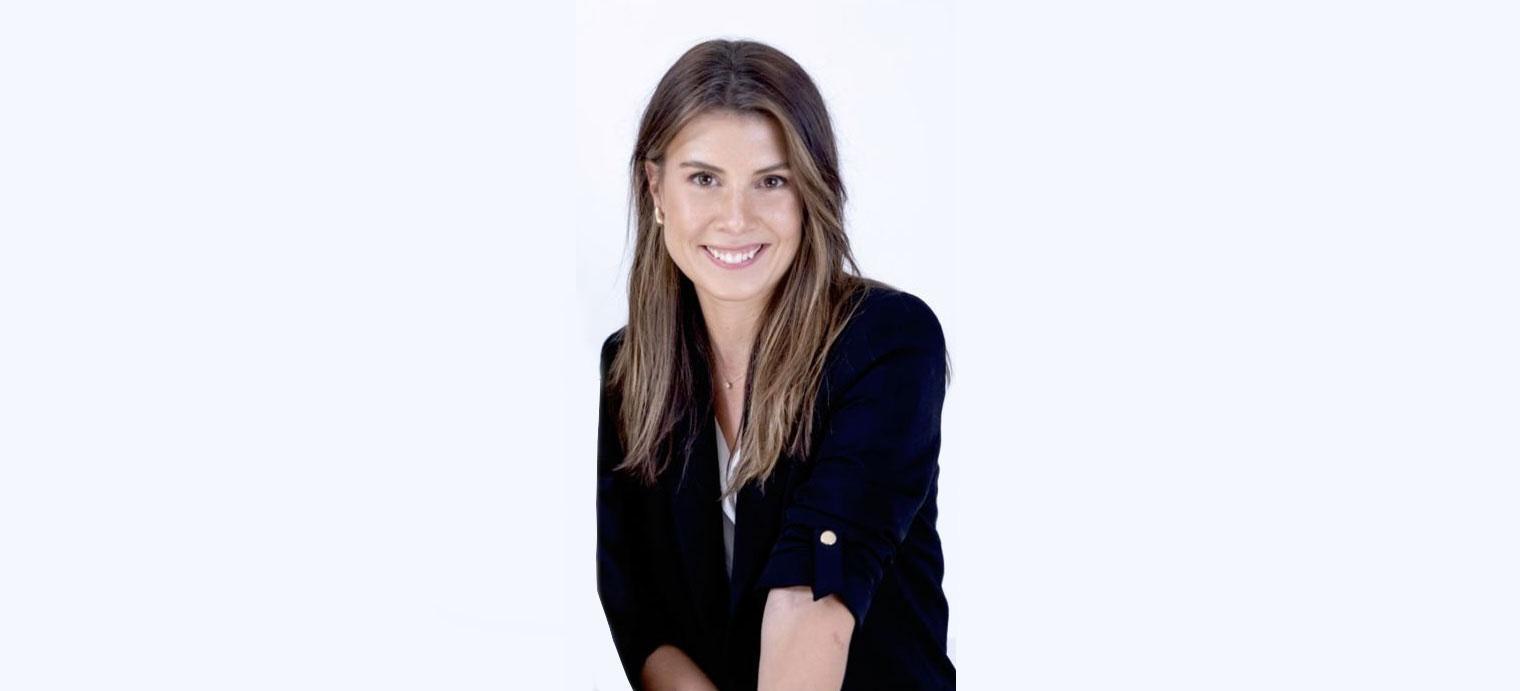
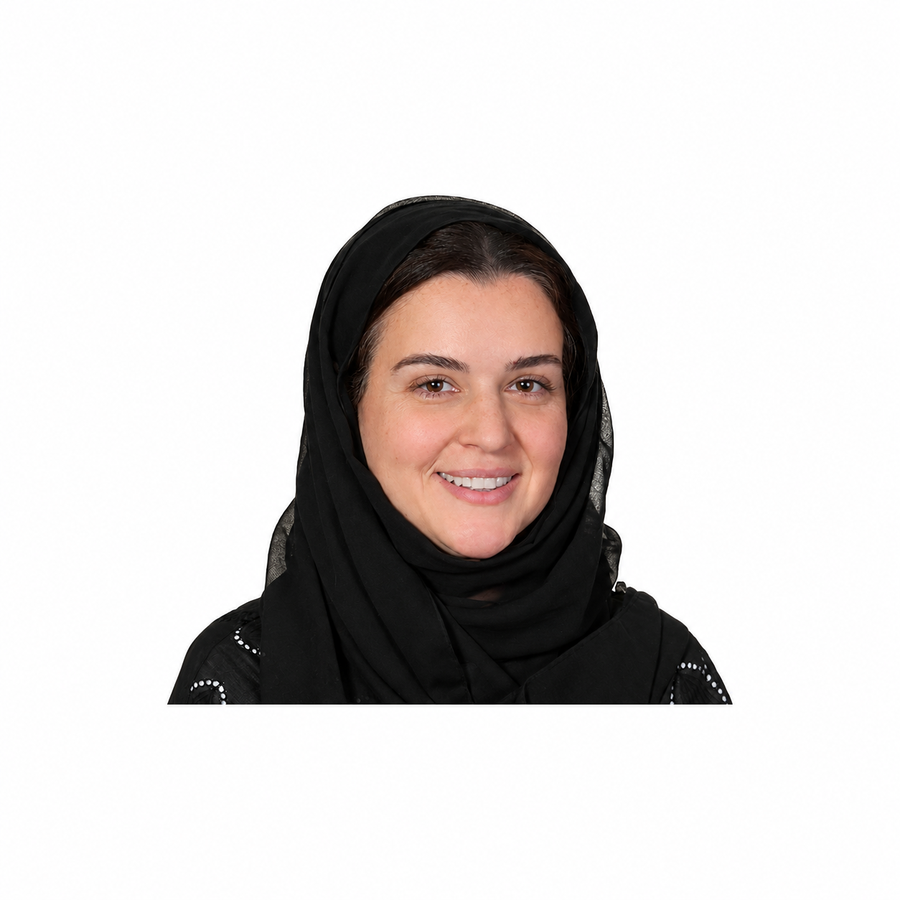
Podcasts are everywhere, but few manage to do more than chatter. Saudi Life: Unpacked is one of the exceptions. I’ve written before about why it matters - not just for Saudis curious about how expats see them, but for expats trying to make sense of life in a country too often defined by giga-projects and clichés. Hosted by Lily Moffatt, an Australian, and Frankie Hilton, a Briton - both journalists now based in Riyadh - the podcast sidesteps official narratives to linger on the details that actually shape a life: the school run, a hospital visit, a neighbour’s kindness.
The premise is disarmingly simple: unpack Saudi life as it is lived, not as it is imagined. The audience is threefold: expats already here, newcomers bracing for the move, and the “Saudi-curious” abroad. What they find is neither exotic nor forbidding, but a society that is often warmer, and sometimes more ordinary, than outsiders expect.
With humour and a knack for noticing the telling detail, Moffatt and Hilton reveal a Saudi Arabia that headlines usually miss.
Q: What gap did you feel existed in conversations about Saudi Arabia that led you to create Saudi Life: Unpacked?
A: There wasn’t so much a “gap” in conversations as there was a lack of informed conversations about Saudi Arabia. I guess that’s why a podcast - a conversational medium - felt like the perfect fit.
Frankie and I aren’t having groundbreaking conversations; we’re literally just talking about our day-to-day life with kids and work, while also interviewing people who can help others navigate a full life in Saudi (e.g., doctors, school principals, psychologists, nutritionists, etc.).
It’s also an evolving conversation. What was true six, four, or even two years ago isn’t necessarily the case now. The rate of infrastructural and social change is rapid - and exciting. This is also why we set up our WhatsApp groups and social media channels to accompany the podcast. Our community is now actively chatting on those platforms, answering each other’s questions, and nurturing a wonderfully positive network.
Our “Saudi-quisitive” audience is genuinely seeking out resources to understand what their life might look like here. Sure, they can easily find information about the giga-projects or the region’s fascinating history. But families want to know: What are the schools like? Where can they access reliable healthcare? What does life on a compound actually look like - and is compound living even essential for a fulfilling life in Saudi?
Q: Having spoken with a wide range of guests, what is one stereotype about Saudi life that you’ve found most stubborn - and how do you dismantle it through storytelling?
A: I love that you used the word “stubborn” when referring to Saudi stereotypes. We were actually going to call the podcast Desert Demystified before settling on the current name. I was receiving the most bizarre questions from friends abroad about what my life in Saudi looked like, and I realised there was a real need to demystify the region.
People were genuinely curious, but Saudi Arabia’s global reputation had been shaped by narrow media narratives. It didn’t help that the average traveller rarely stopped here for vacations or even layovers. Real-time, firsthand experiences just weren’t being shared. And when they were, they were often from men working in the region who weren’t really engaging with the day-to-day Saudi experience.
So it’s been wonderful to speak from the perspective of two women, two mums, building a community. Through storytelling, we’ve been able to highlight our experiences as women in Saudi and really challenge misconceptions, especially around female empowerment.
We’ve interviewed women making a real impact here, both expats and Saudis. But yes, I still get questions like: “Can women drive?” “Do you have to speak Arabic?” or “Are you allowed to leave the compound?”
Q: Podcasts thrive on intimacy. How do you navigate offering listeners a window into Saudi society while respecting the boundaries of a culture that values privacy?
A: One of our core messages to our expat audience has always been: remember, we are guests in Saudi Arabia, and with that comes a responsibility to respect the culture.
But at the same time, we also talk about how warm and inclusive Saudis have been, especially when it comes to welcoming our families into their country. So, while we are technically guests, it rarely feels that way. We’ve felt like part of the modern Saudi tapestry from day one.
Q: Can you recall a moment during an interview when you had to pause and rethink your own assumptions about Saudi Arabia?
A: Frankie and I have a dynamic that works really well because she arrived in Saudi seven years ago, and I came two years ago. We often compare how day-to-day life has evolved over those time periods, even to now.
As a serial expat (having lived in Dubai, London, Melbourne, and now Saudi), I’ve learned one big lesson about assumptions: they limit us. It’s best not to assume anything about any city, whether it’s London, Melbourne, or Riyadh.
Travel - real travel - where you truly immerse yourself in new places, changes how you see the world and the people in it. I love watching that happen with my children. When we travel the region now, they’re full of questions about Saudi. They assume nothing, but they’re curious about everything.
Q: Saudi Arabia is often portrayed abroad through politics or mega-projects. What everyday details do listeners latch onto most - things that rarely make headlines?
A: One of the things that struck me almost immediately was how warm and welcoming Saudis are. I’ve had Saudi women and men literally throw their arms around my children at the airport, joyfully welcoming them to the country.
When I first arrived in Riyadh - after more than 20 hours of travel from Australia with three children under five, on my own - I was completely exhausted. The fatigue hit hard, and so did the emotions, especially as I tried to manage two child meltdowns, 140 kg of luggage, car seats, and prams, with no way to pay for help.
Then, two Saudi men approached me. One paid for an airport assistant to help with the bags. The other quietly took the pram and pushed my 18-month-old through the terminal.
That was my first 30 minutes in the country. And it meant everything.
Q: Podcasting is still young in Saudi Arabia. Do you see it becoming a space for cultural exchange, or will it remain niche compared to traditional media?
A: There are some incredibly talented Saudi podcasters paving the way for a new generation to explore this medium - like Lama Alhamawi (Discussions) and Mohammed Islam (The Mo Show). They’re using the platform to tell the story of Saudi in their own authentic voices.
Traditional media still has its place, but podcasts like theirs - and hopefully ours - are proving to be trusted, authentic sources of insight and conversation.
Q: If a listener wanted to truly understand Saudi society, which single episode of your podcast would you tell them to start with - and why?
A: That’s like asking me to pick a favourite child! One of the big misconceptions about Saudi is that it’s only surface-deep. In reality, it’s incredibly multifaceted, complex, and diverse, with a rich history and an even more exciting, unprecedented future.
Our guests speak to different aspects of this evolving story, so it’s hard to choose just one episode.
That said, our episode with four expat women from Jeddah, who arrived in Saudi in the 1970s, was a real pinch-me moment. It captured the essence of expat adventure, resilience, and the evolution of Saudi over the past half-century. It’s one of my personal favourites.






 Oct 21, 2026
0 Comments
No comments yet. Be the first to comment!