 Dec 12, 2025
 Comments

Jean-Philippe Linteau is no newcomer to complex markets. Before taking up his post as Canada’s Ambassador to Saudi Arabia in July 2023, he spent decades navigating the intersections of trade, technology, and diplomacy — from New York’s finance corridors to Dubai’s business hubs.
A career diplomat since 1997, Linteau has served as Consul General in Dubai, Senior Trade Commissioner in New York, and Director for Clean Technology at Global Affairs Canada. His record reflects Canada’s modern diplomatic instinct: building enduring partnerships in innovation, education, and sustainability.
Environment and sustainability remain closest to his heart, and his first encounter with Saudi Arabia was in Dubai, where he visited the Saudi Pavilion at Expo 2020. Now based in Riyadh, Linteau focuses on deepening Canada’s partnerships through steady engagement and mutual trust — the foundation of lasting cooperation and shared progress.
As Saudi Arabia redefines its global image and Canada recalibrates its ties with emerging economies, Linteau’s perspective offers a window into how nations with contrasting climates, histories, and social fabrics can still find a shared vocabulary of progress.
Q: Living in Saudi Arabia offers a view that few outsiders experience. What aspects of daily life have most challenged your early impressions of the country?
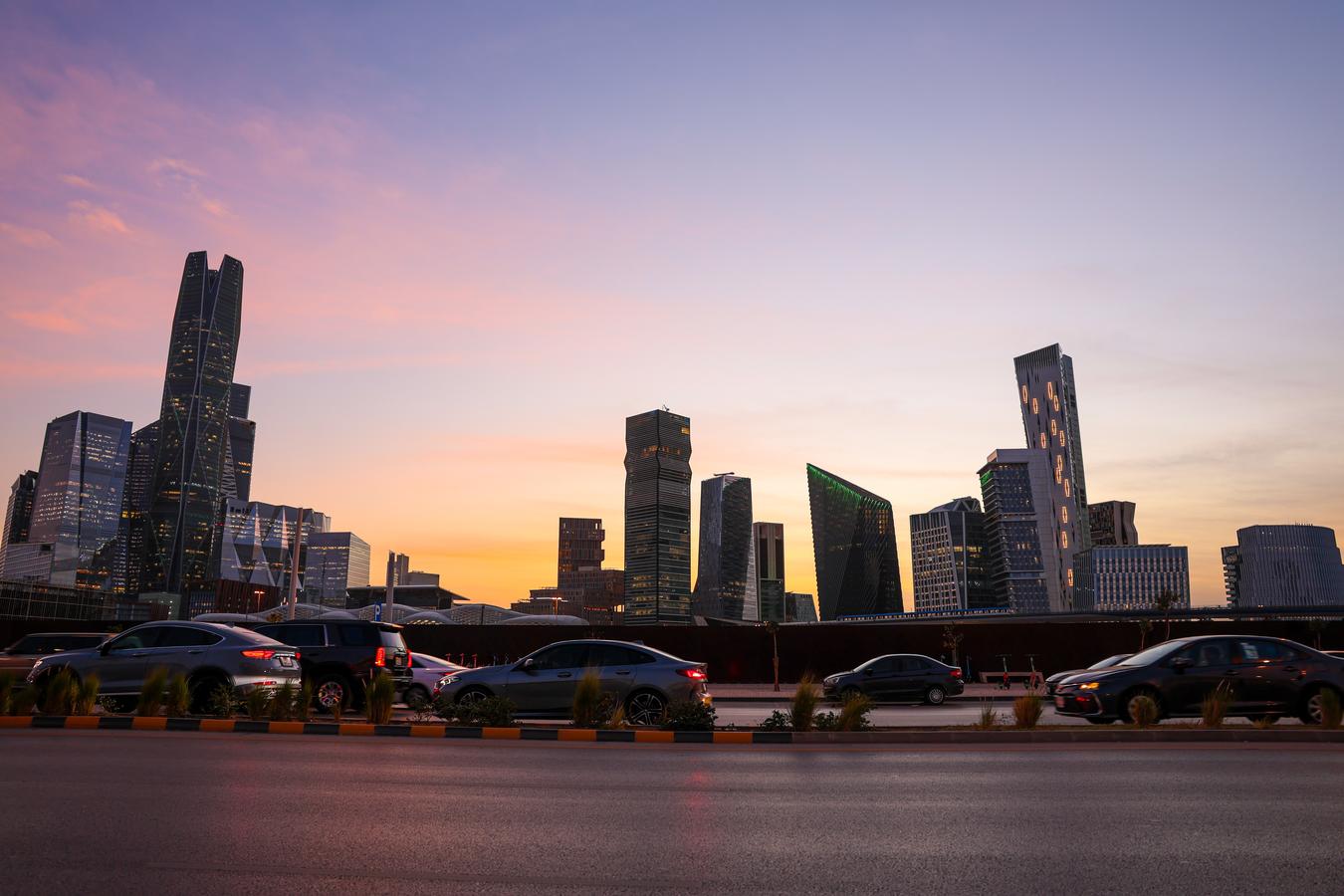
A: The pace of change in Saudi Arabia is astonishing. I expected transformation, but the scale and speed — across the economy, infrastructure, education, and society — are truly remarkable. Vision 2030 is driving rapid modernization, and it’s visible everywhere.
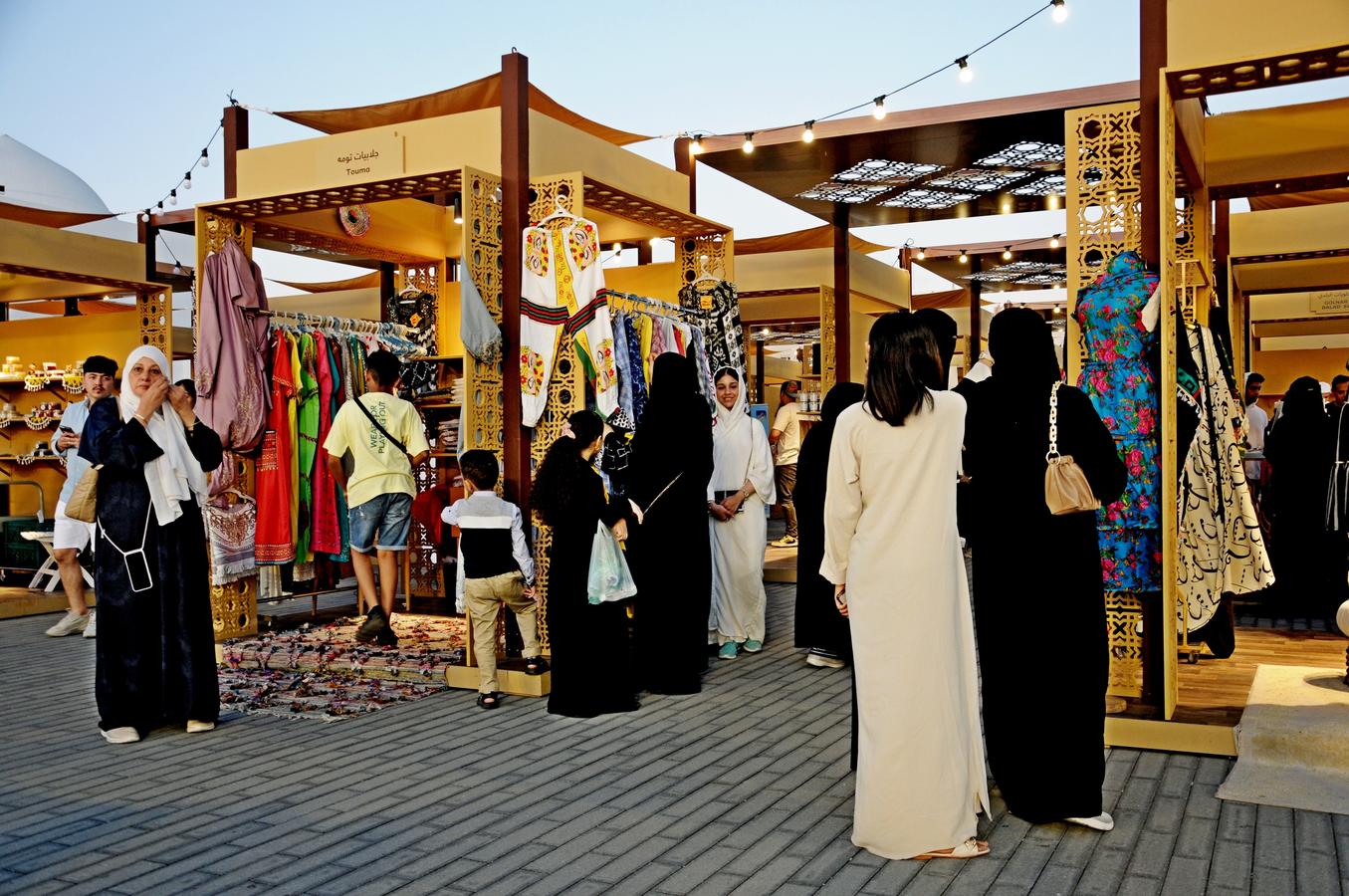
What strikes first-time visitors most is the dynamic mix: modern developments alongside traditional elements, young and old, women and men, all coexisting. It’s exciting to witness such profound change, especially in how government, the private sector, and education are engaging with society.
Q: Global narratives about Saudi Arabia often remain frozen in time. From your conversations and encounters, what do you wish Canadians understood better about the country today?
A: That’s a crucial question. Saudi Arabia has evolved significantly, but outdated perceptions persist. The most powerful voices are those who’ve visited — businesspeople and artists who return and share what they’ve seen. Their stories have real impact.
One area where perception lags is the role of women. In my daily work, I interact with women who are leaders in business, politics, academia — even astronauts. Canadians may not realize how central women are to public life here.
Women have long led in the private sphere; now they are increasingly visible in public roles. These stories reflect the broader societal transformation underway. Vision 2030 is key. For a country to truly transform, it must harness the full potential of its people — men, women, young, and old. That’s what’s happening here, and it’s a story worth telling.
Effective communication means delivering a clear message, repeating it when needed, and adapting it to resonate. Saudi Arabia has achieved a great deal, and those living it are the best storytellers. Sharing these personal stories is essential to deepening understanding and strengthening ties between nations.
Q: For decades, young Saudis have studied in Canada. As Saudi universities strengthen their global presence, how is this exchange changing — and what might the next phase of academic collaboration look like?
A: Education is a key pillar, but our engagement extends beyond that to economics, peace and security, and more. Historically, thousands of Saudi students have pursued postgraduate studies in Canada, especially in medicine. This collaboration continues, with hundreds of Saudi doctors training in Canadian institutions.
What’s new is the transformation of Saudi universities. There’s growing interest in building partnerships — something the embassy actively supports. These include curriculum development, degree discussions, and short-term exchange programs. Interest now flows both ways: Saudis going to Canada, and Canadians coming here.
Looking ahead, I see great potential in joint research and commercialization. In Canada, universities drive a third of national R&D. Innovation starts there, and Saudi Arabia shares this ambition.
With new institutions emerging across the Kingdom, Canada’s experience in research and academic development offers a strong foundation for future collaboration.
Q: As culture becomes a shared language between nations, where do you see meaningful opportunities for collaboration between Canadians and Saudis? And what parallels do you notice in how both societies balance modernity with identity?
A: Canada is a G7 nation and a G20 energy country — a soft power committed to peace. Saudi Arabia shares that profile. This common ground creates real potential for deeper partnerships, beyond our existing ties in economics, education, peace, and security.
Both countries are influential energy players, yet neither is a superpower. Saudi Arabia, like Canada, is a G20 country with ambition, resources, and a growing population. We share similar aspirations for our global roles.
Canada is currently focused on building strategic economic and political partnerships, and there is strong opportunity for collaboration with Saudi Arabia to promote prosperity and regional stability.
This is a unique moment globally. Both countries are navigating the balance between heritage and modernity in their own ways. We are soft powers that take pride in our cultural diversity and landscapes. Our shared interest in development and progress is a strong foundation for collaboration.
Vision 2030 is driving transformative change in Saudi Arabia, reshaping the population and accelerating job creation. It is a powerful force for modernization — and one that aligns with Canada’s values and experience.






 Oct 21, 2026
0 Comments
No comments yet. Be the first to comment!