 Oct 21, 2025
 Comments
Mental health in Saudi Arabia has entered a new chapter. Once spoken of only in whispers, therapy is now finding its place in daily life—adapting to a society built on faith, family, and restraint. The rise of therapy centers in cities like Jeddah signals more than a social shift; it marks the birth of a Saudi form of introspection. This piece examines how Western psychology is being reinterpreted through local values, and how the act of seeking help has quietly become an expression of strength rather than stigma.
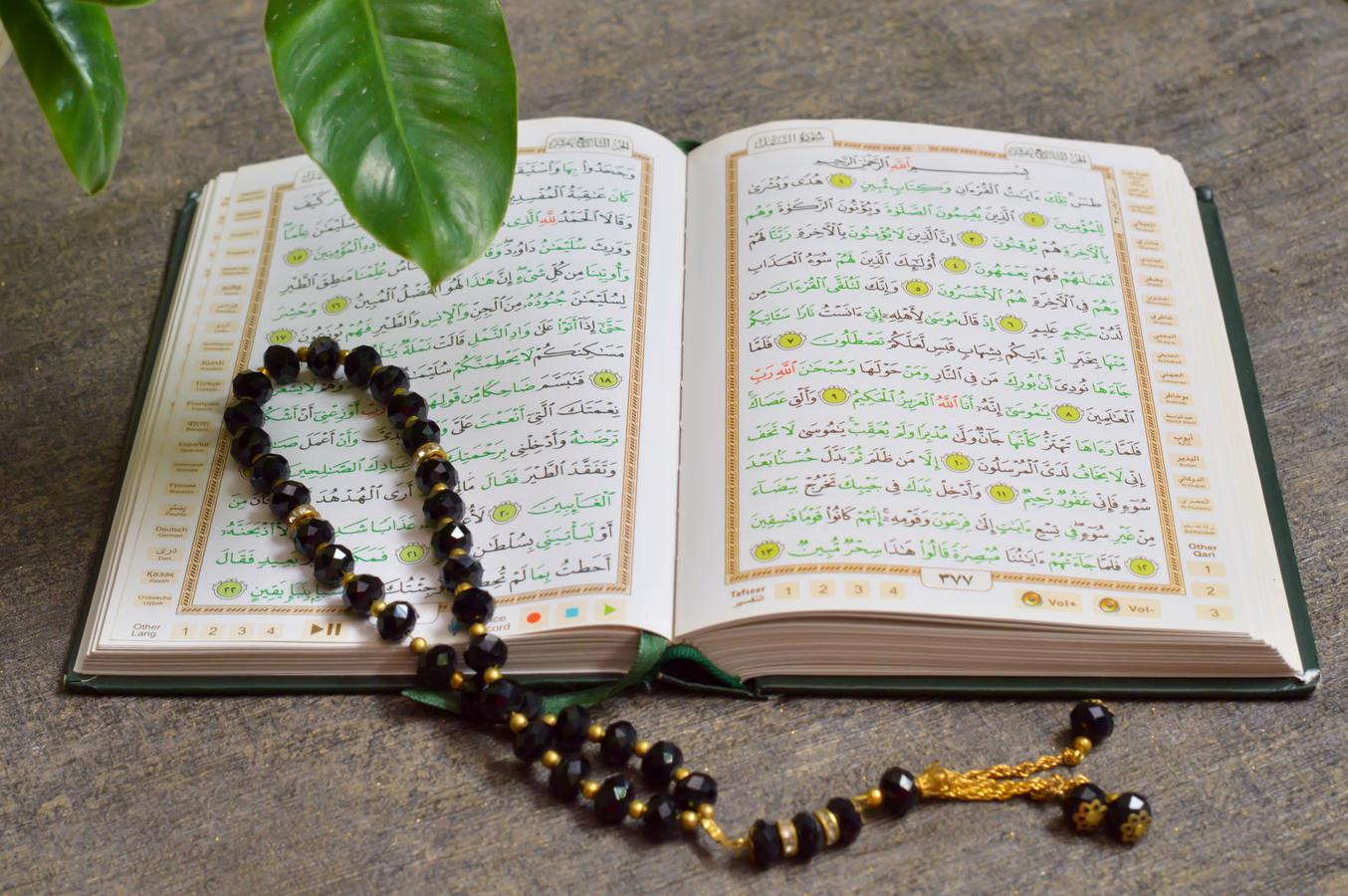
Walking into a therapy center in Jeddah, the first thing that strikes you isn’t the furniture or the certificates on the wall. It’s the calm. The air feels lighter, the lights softer.A Quran rests beside a box of tissues—a quiet reminder that faith and vulnerability can coexist. For many Saudis, this still feels new. A decade ago, few would have imagined that conversations about anxiety, grief, or identity would find such an open space.
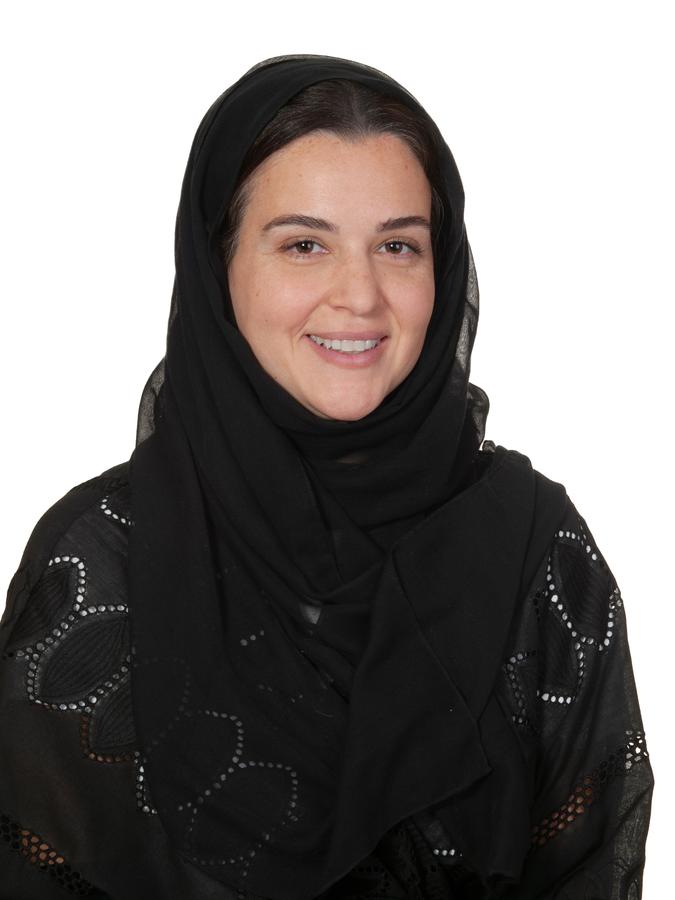
“Ten years ago, people came in only when things were falling apart,” says Basma M. Gazzaz, psychotherapist and certified independent Birkman consultant. “Now they come because they want to understand themselves better. That’s a very different mindset.”
Once, mental health was spoken about in hushed tones, tucked behind the façade of strength. Today, that façade is cracking—in a good way. Waiting rooms are no longer empty. They host teachers, engineers, students, and mothers; people who might once have hesitated to be seen there. And among the younger generations, therapy has taken on a different meaning altogether. It’s not only about healing from pain but about learning how to live better—to navigate a fast-changing society, shifting family expectations, and the pressure to succeed.
In the past, self-discovery often meant leaving Saudi Arabia. For Saudis with the means, growth came through studying abroad, traveling, or seeking guidance from family elders and religious mentors.
“If you were struggling, you’d go for umrah, or take time away to think,” recalls a Jeddah-based client in her early thirties. “Therapy wasn’t even a word we used.”
Reflection was communal, not private; one sought advice, not analysis. But the new Saudi generation has found a different route inward. Therapy provides what the old methods could not: privacy, structure, and a professional ear untied to family judgment or social reputation. It offers safety in a society still learning how to speak about the unseen struggles of the mind.
This shift gained momentum during the pandemic. Isolation and uncertainty blurred the boundaries between strength and vulnerability. Families who once dismissed therapy began to see its necessity.
“When everything stopped, people had to sit with themselves,” Gazzaz says. “For many, it was the first time they really listened to their own thoughts.”
Still, therapy in Saudi Arabia sits at an intersection of worlds. Its methods are largely Western—built around independence, emotional expression, and the idea that truth lies in the self. Arab societies, by contrast, are woven through family and faith. The self here is relational. A problem is rarely “mine alone”; it belongs to a network of people and expectations.
“What Western psychology calls ‘codependence’ might simply be family loyalty here,” explains Gazzaz. “If a client says, ‘My mother doesn’t approve, so I can’t move forward,’ that’s not pathology—it’s cultural reality.”
There are practical constraints too. Few professionals specialize in couples therapy, and psychometric assessments remain based on Western data.
“When I give clients certain tests, I have to adjust my interpretation,” says another therapist working in Riyadh. “The tools weren’t made for us. We have to make them fit.”
Stigma still lingers, especially around marriage, masculinity, and religion. “A man might come for work stress,” she adds, “but underneath it, he’s really asking, ‘What does it mean to be a good husband or father today?’”
The challenge isn’t just to make therapy accessible—it’s to make it familiar. A typical session in Jeddah might begin with a question that sounds deceptively simple: “What brings you here today?” Rarely does the answer begin with “I.” More often, it’s about we—a family dispute, a demanding workplace, a parent’s expectations, or a spouse’s silence. Feelings are woven into context.
“Sometimes clients won’t talk about themselves at all at first,” says Gazzaz. “They talk about everyone else—their father, their children, their colleagues. It’s my job to listen to the story beneath that.”
Therapists often blend modern approaches such as Cognitive Behavioural Therapy or Acceptance and Commitment Therapy with spiritual reflection. Verses from the Qur’an may be used to encourage patience (sabr) or gratitude (shukr), offering familiar ground for emotional work.
“Therapy doesn’t have to replace faith,” Gazzaz notes. “It can strengthen it by helping people understand their emotions through their values.” Clients tend to prefer structure and clarity. “They want to know there’s a plan,” she says with a smile. “If I tell them, ‘We’ll just explore your feelings,’ they look at me like, ‘No, thank you.’”
Confidentiality, meanwhile, is sacred. “If people can’t trust that what they say won’t leave the room, they won’t come back,” another therapist says. “In our culture, privacy isn’t just comfort—it’s survival.”
The real question now is not whether therapy belongs in Saudi society, but what form it should take. Therapy that ignores culture risks alienation; therapy that listens to it can heal. True progress will depend on developing models that grow from within—grounded in Arabic, infused with faith, and shaped by local realities.
Across Saudi Arabia, new centers are emerging to meet that need. The Ministry of Health has expanded its mental health programs, while private clinics such as ACT in Jeddah cater to those seeking more discreet or tailored care. Online therapy platforms, once an experiment, have become a lifeline, especially for women and young people who might hesitate to visit a clinic in person.
“There’s a new generation of therapists who want to make therapy ours,” says Gazzaz. “It’s not about copying Western ideas; it’s about creating a language that feels natural to Saudis.”
So as Saudi Arabia reimagines its future, theraphy has quietly joined the country’s wider transformation. It represents not only modernization but introspection—a new kind of strength rooted in awareness rather than denial. “People are no longer ashamed of wanting to feel better,” Gazzaz reflects. “They’re realizing that caring for the mind is as important as caring for the body.”
The stigma hasn’t vanished entirely, but it’s losing its grip. Each conversation between therapist and client chips away at it, replacing silence with understanding. By 2030, therapy in Saudi Arabia may look nothing like its Western counterpart—and that may be its greatest success. It will be Saudi in form, language, and rhythm: grounded in faith, shaped by culture, and, above all, human.






 Oct 21, 2026
0 Comments
No comments yet. Be the first to comment!