 Sep 30, 2025
 Comments
For decades, expatriates in Saudi Arabia have lived within familiar boundaries: compounds that replicate a version of home, networks that circulate advice on shops and schools, and lives that run mostly from expat to expat. This separation has long defined the experience—providing comfort while reinforcing distance. The Saudi world outside that separation—complex, opaque, and often misunderstood—remained a backdrop rather than the main stage.
Saudi Life: Unpacked, a podcast by journalists Francesca Hilton and Lily Moffatt, takes another route and adds a fresh layer to that story. Instead of reinforcing separation, it opens a window onto Saudi Arabia itself: its rhythms, its society, its subtleties. Rather than offering survival tips on bureaucracy, it lingers on the cultural texture—how people negotiate family obligations, how the streets change with the seasons, and how Saudis themselves interpret reforms.
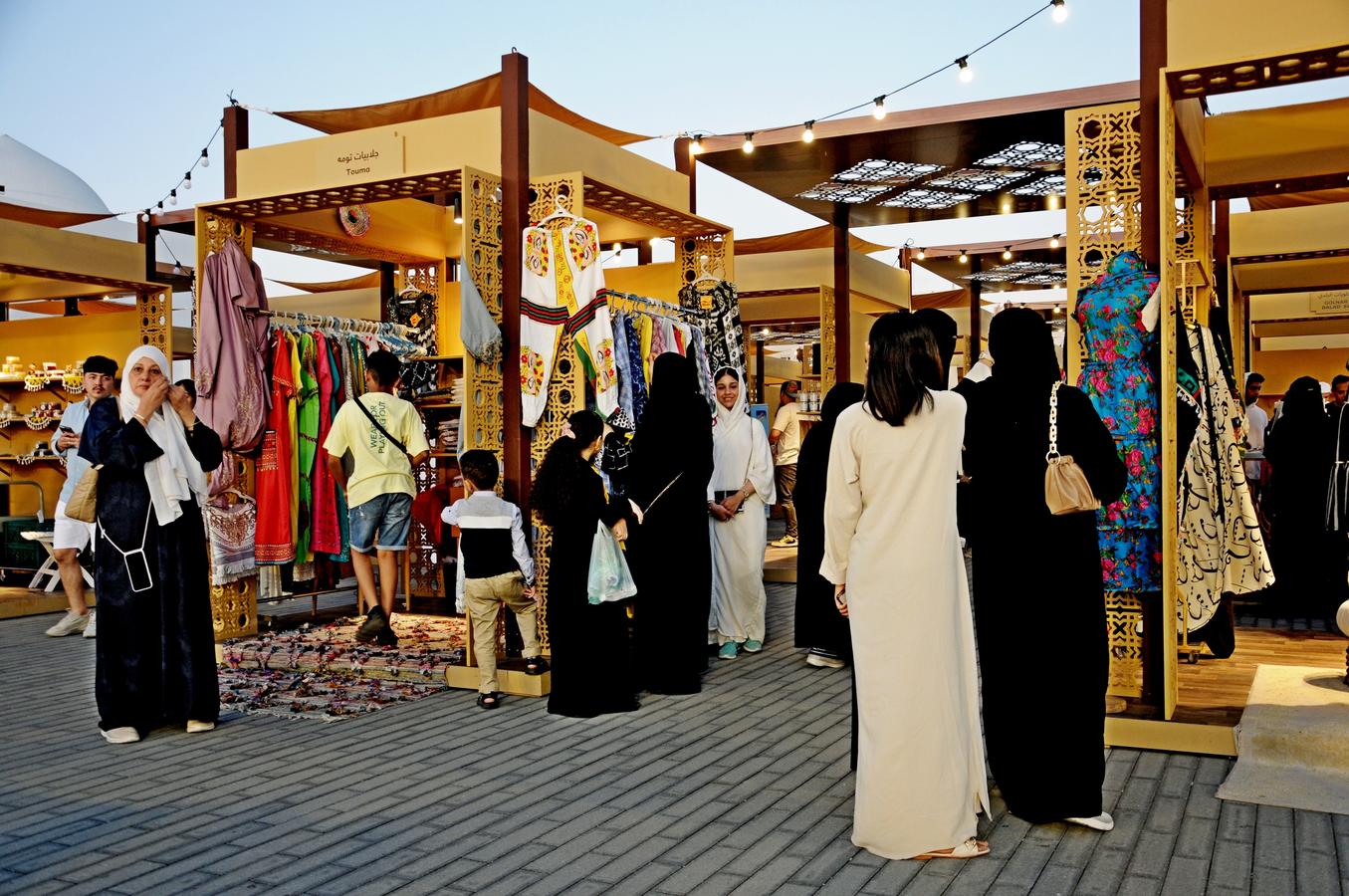
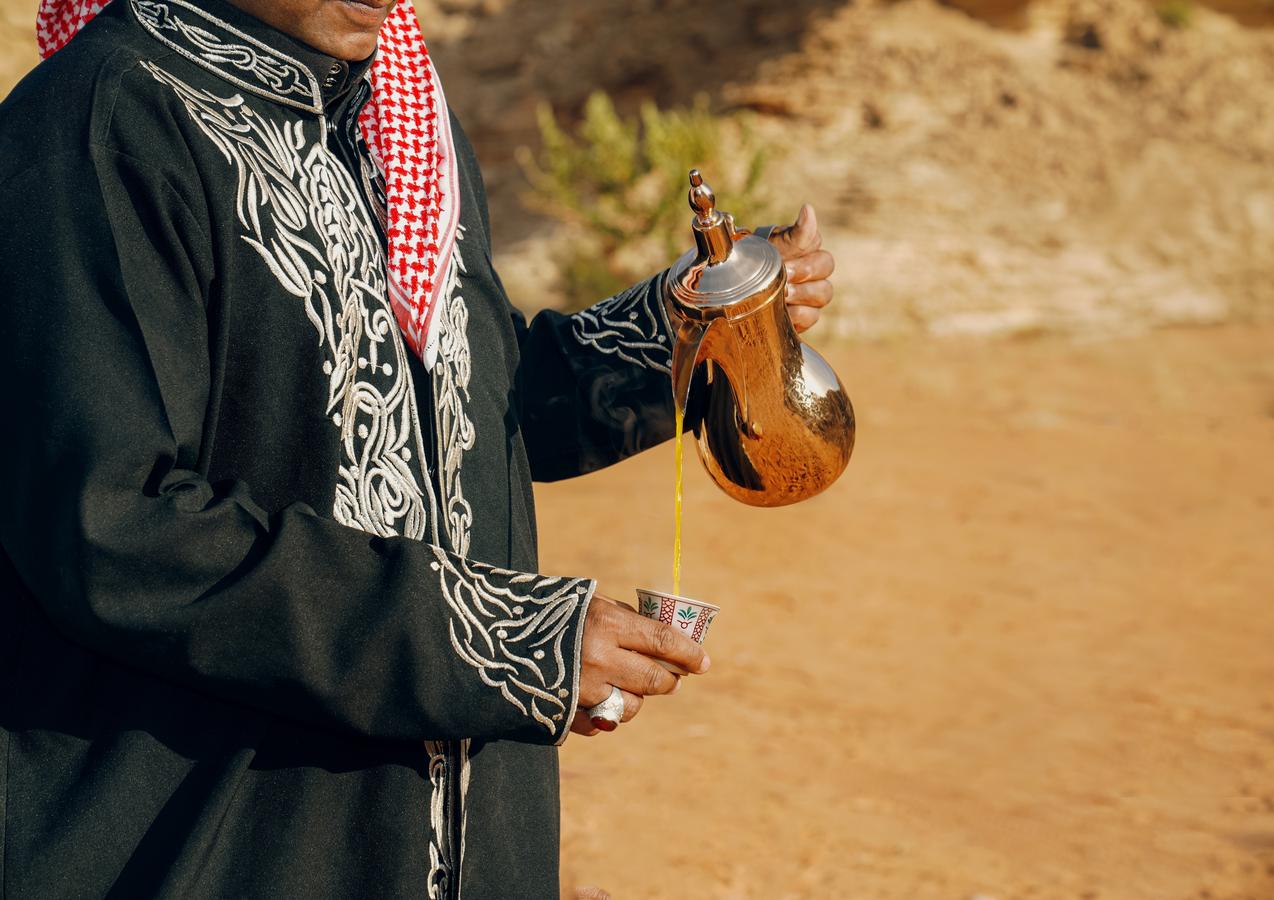
For Saudis, too, the perspective is revealing. Foreigners puzzling through daily life—sometimes amused, sometimes bemused—offer an insight missing from the headlines about mega-projects. What makes Saudi Life: Unpacked interesting is not policy or investment talk, but the small details: how one introduces a guest properly, what counts as a faux pas in the supermarket, or why hospitality often arrives before conversation. These fragments, strung together, become an alternative anthropology of the Kingdom, narrated not by experts but by outsiders learning on the go.
In many countries, living abroad as a foreigner leads eventually to integration through schools, neighborhoods, or civic life. In the Gulf, that path is less straightforward. Societies are conservative and family-centered, offering warmth without always granting belonging. Hospitality is abundant, but intimacy is reserved; foreigners are welcomed to the doorstep but rarely invited into the inner rooms of social life.
An old Arabic proverb captures the aspiration: “The guest is a guest for three days; after that, he is part of the household.” In practice, however, belonging remains selective.
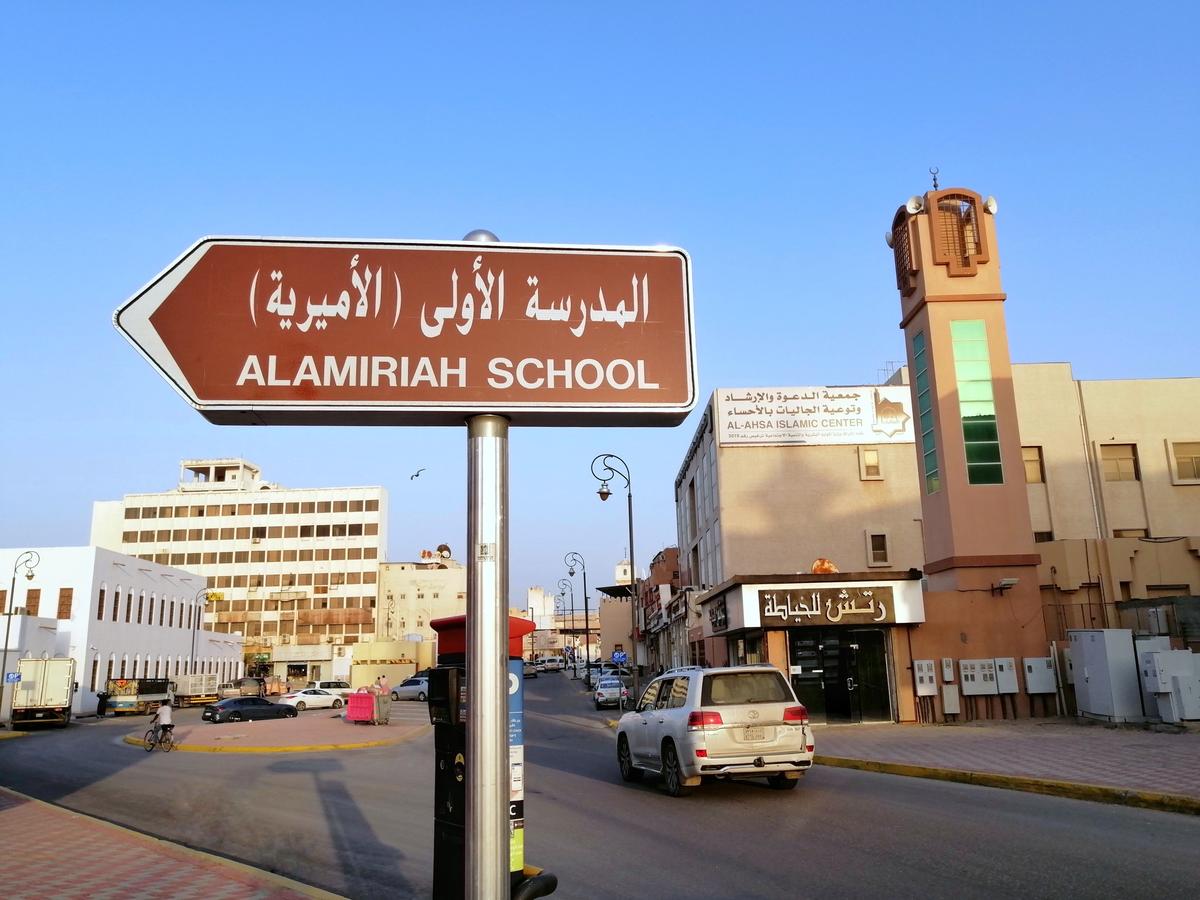
Institutional design reinforced that separation. For many years, foreign schools in Saudi Arabia were mainly reserved for expatriate children, with Saudi pupils rarely admitted. Embassies created self-contained communities where life unfolded under different rules, not easily accessible to Saudis themselves. These parallel worlds provided continuity for foreigners but widened the gap between them and Saudi society and culture. Integration, in that sense, was less a matter of personal choice than of structural design.
The contrast is telling. In Singapore or Hong Kong, expatriates slip into the fabric of urban life. In Saudi Arabia and its Gulf neighbors, they orbit in parallel spheres. The difference owes less to hostility than to how societies are built: family and religion remain the dominant institutions, shaping public space in ways that leave little room for outsiders.
This, perhaps, is where Saudi Life: Unpacked finds its deeper value. In an era where Saudi Arabia is usually described in terms of oil markets, giga-projects, or geopolitics, there is little space for the quotidian. Expatriates, caught in the act of interpretation, provide exactly that: an unvarnished register of how reforms and traditions play out in real life. The anthropologist Clifford Geertz once spoke of “thick description”—a way of capturing not just what people do, but the meanings layered within those actions. In its own journalistic way, the podcast gestures toward that tradition.
There is also a diplomatic dimension here, even if unintended. Cultural diplomacy often travels through official channels: exhibitions, festivals, curated exchanges. But the more subtle form—the candid observation of two foreigners adjusting to a society in transition—arguably reaches further. It speaks to Saudis in a different register, offering them an unscripted reflection of how their society appears to outsiders, neither demonized nor exoticized. For many Saudis, that honesty is itself novel.
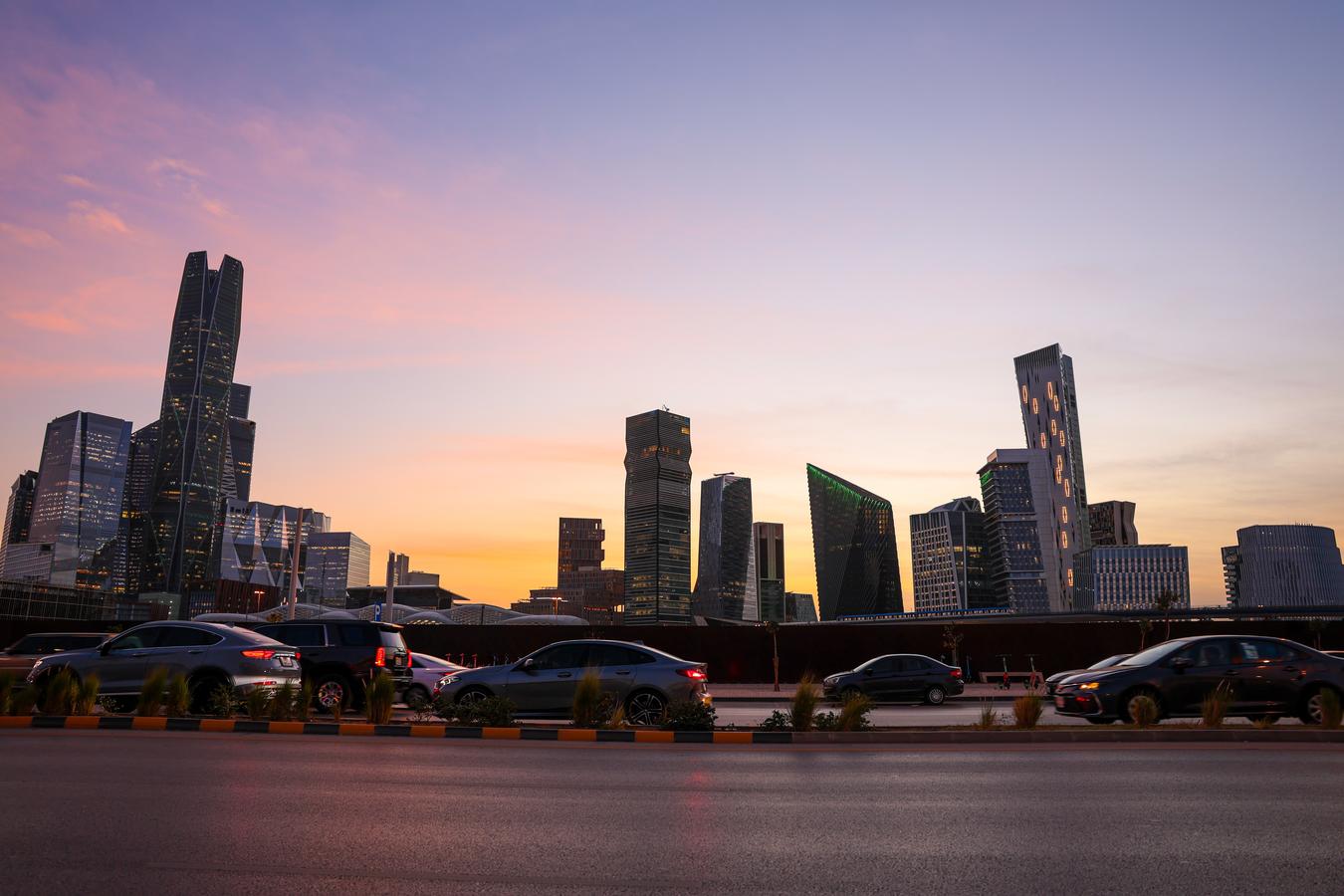
At a time when Saudi Arabia invests heavily in its global image, Saudi Life: Unpacked doubles as a marketing tool of a rarer kind: not for business, but for cultural understanding. It presents a country that is not reducible to skyscrapers or scandals, but inhabited by people whose everyday choices matter. That is a more difficult message to script, but also a more enduring one.
I listened with curiosity, not as an expat seeking orientation, but as a Saudi learning how others come to see us. Their observations—occasionally clumsy, often affectionate—remind me that societies, like individuals, are rarely aware of how they appear from the outside. This dissonance between self-image and external perception is fertile ground. It challenges Saudis to reconsider what is taken for granted: how openness is performed, how hospitality is understood, how rules are bent or enforced.
That, perhaps, is the podcast’s real achievement. It does not resolve the larger debates about Saudi Arabia. Instead, it reminds us that those debates are incomplete without the everyday. And in doing so, it nudges both Saudis and expatriates toward something rare: the possibility of seeing themselves not as caricatures in each other’s imagination, but as participants in a shared, if uneven, cultural negotiation.
I will soon be speaking with one of the podcasters about why these expat perspectives matter; if you have questions you would like me to put to them, let me know.






 Oct 21, 2026
0 Comments
No comments yet. Be the first to comment!