 Oct 14, 2025
 Comments

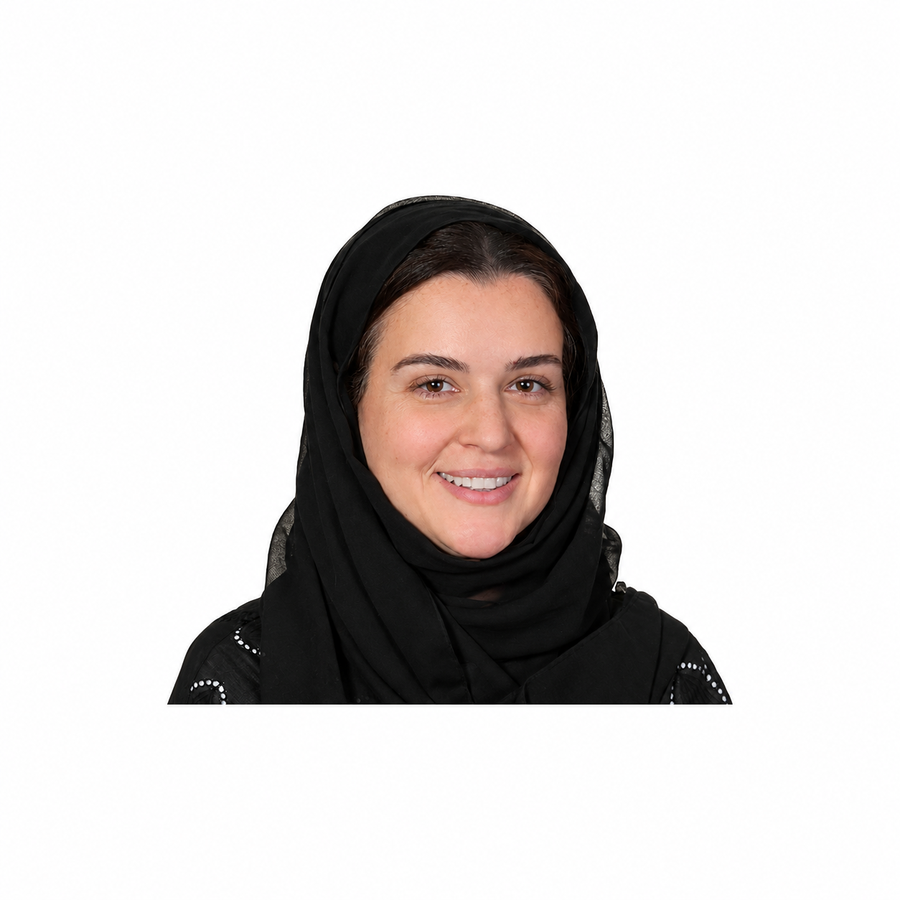
From a country once better known for keeping women offline comes the woman now celebrated for keeping others online safe, Dr. Fatemah Alharbi, a Saudi cybersecurity expert, was named Top Cybersecurity Woman of the World late last month. It’s the second year running she’s received the honour, too. Sustained global recognition in such a cutthroat field is rare; that it comes from Riyadh rather than Silicon Valley or Berlin is rarer still.
Alharbi’s path mirrors Saudi Arabia’s own technological awakening. Born and raised in Jeddah, she studied computer science at King Abdulaziz University before moving abroad to pursue graduate studies. A master’s degree at California State University, Los Angeles, led to a PhD at the University of California, Riverside.
It was there she made her mark, exposing a flaw in Apple’s macOS operating system—an achievement Apple itself acknowledged. Now back in the Kingdom, she teaches at Taibah University in Yanbu while advising on national cyber strategies and publishing research on threat intelligence.
She has been clear about the significance of the award. “This recognition is not only a personal milestone but also a testament to my country’s growing role in the digital and cybersecurity space,” she told Gulf News. In a separate message, she added that she was “humbled to be part of this community and proud to stand among my sisters in cybersecurity as we continue shaping a safer, more resilient digital future.”
The symbolism is striking. Cybersecurity remains a male-dominated profession, yet a Saudi woman has twice been judged its best female practitioner. For Saudi Arabia—long viewed through the lens of oil wealth and social restrictions—her recognition feeds a different narrative: one of Saudi women in technology stepping onto the global stage.
It also reflects the shifting geography of expertise. Cybersecurity, once assumed to be the preserve of Western intelligence agencies and corporate labs, is now a global contest. The fact that the “best woman in cybersecurity” hails from Riyadh underscores how new centres of talent are emerging beyond traditional hubs. For Saudi Arabia, this is about more than prestige lends Saudi Arabia soft power—the kind billion-dollar conferences talk about but rarely, if ever, deliver.
Her consecutive recognition resonates on several fronts. For Saudi women, it signals that global visibility in high-stakes industries is possible, not theoretical. For policymakers, it reinforces their campaign to brand the Saudi tech sector as a serious global contender. And for the industry itself, it is a reminder that the next breakthrough may come from an unlikely quarter. The Gulf, once seen as a consumer of imported technology, is now producing experts whose discoveries ripple across the global digital landscape—and not just at home, either.
The paradox is telling. A country that once debated whether women should even access the Internet is now exporting a woman who secures it. Saudi Arabia’s rapid digitisation has created both opportunities and vulnerabilities, making the Kingdom both a champion and a target of cyber innovation. The challenge now is to convert individual excellence into institutional influence. Cybersecurity is not merely technical; it is geopolitical. States that nurture recognised talent are better positioned to shape the global rules of digital resilience. That, of course, is easier said than done.
For now, the irony stands. Saudi Arabia, once on the defensive about women’s place in society, is exporting one of the most effective defenders of the digital frontier. That juxtaposition—sharp, slightly improbable, and very Saudi—may be the clearest marker yet of Saudi Arabia’s shifting place in the global cybersecurity race.









 Oct 21, 2026


0 Comments
No comments yet. Be the first to comment!