 Feb 11, 2026
 Comments
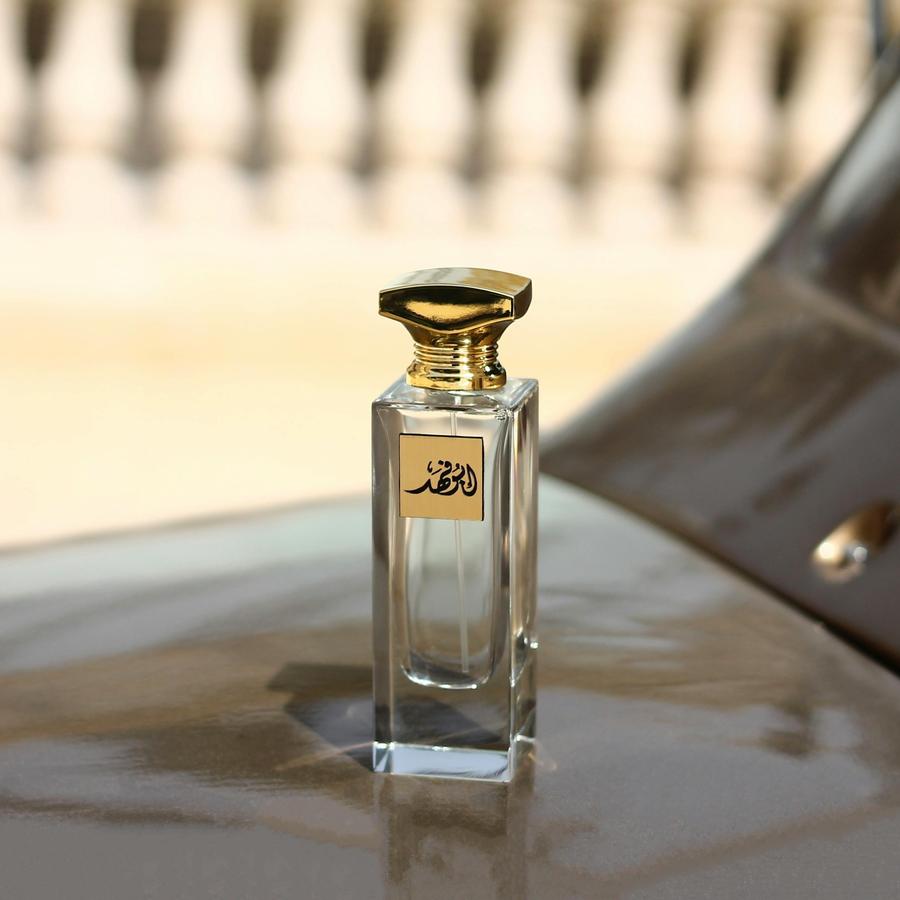
Perfume in Saudi Arabia is not a niche interest; it is a daily practice, woven into social life across generations. Among the most influential Saudi perfume houses are Abdul Samad Al Qurashi and Al Majed for Oud, both long-established names with strong cultural recognition. Their stores are familiar fixtures in shopping districts and malls, frequented not only for special occasions but as part of routine consumption. Arabian Oud, while regional rather than exclusively Saudi, also occupies a major position in the local market and is often cited among the world’s largest fragrance retailers. These brands are not perceived primarily as luxury labels; they are understood as custodians of scent traditions that stretch back decades.
Why Does Perfume Hold Such Cultural Weight in Saudi Society?
In Saudi Arabia, fragrance is closely tied to ideas of hospitality, cleanliness, and presence. Homes are perfumed before guests arrive, clothing is scented before gatherings, and incense marks transitions—from everyday life to social occasions. Perfume is not reserved for display or status alone; it is part of how spaces and people are prepared for interaction. This helps explain why fragrance consumption cuts across income levels and age groups. To smell good is not an indulgence; it is a social expectation.
What Distinguishes Saudi Perfumes from International Fragrances?
The defining feature of Saudi perfume culture is oud—not merely as an ingredient, but as a marker of taste, craftsmanship, and discernment. Oud varies widely in origin, quality, and character, and knowledge of it carries cultural capital. Equally important is the practice of layering. Many Saudis do not rely on a single fragrance. Instead, bukhoor is burned to scent clothing, concentrated oils are applied to the skin, and lighter sprays are added on top. The result is a personalised scent trail that evolves over time. Fragrance, in this context, is experienced as presence rather than branding.
What Scent Best Represents the City of Riyadh?
There is no official fragrance associated with Riyadh, and that absence is telling. A common Saudi description would point to deep oud, amber warmth, and the clean freshness of a well-kept majlis. Compared with Jeddah’s lighter, more coastal scent profile, Riyadh’s olfactory identity feels more grounded, evening-oriented, and formal. It reflects a city shaped by interiors, hospitality rituals, and social gatherings rather than outdoor leisure. In this sense, Riyadh’s scent is not a marketing concept, but a quiet expression of character—serious, composed, and unmistakably Saudi.









 Sep 24, 2026

0 Comments
No comments yet. Be the first to comment!