 Dec 16, 2025
 Comments
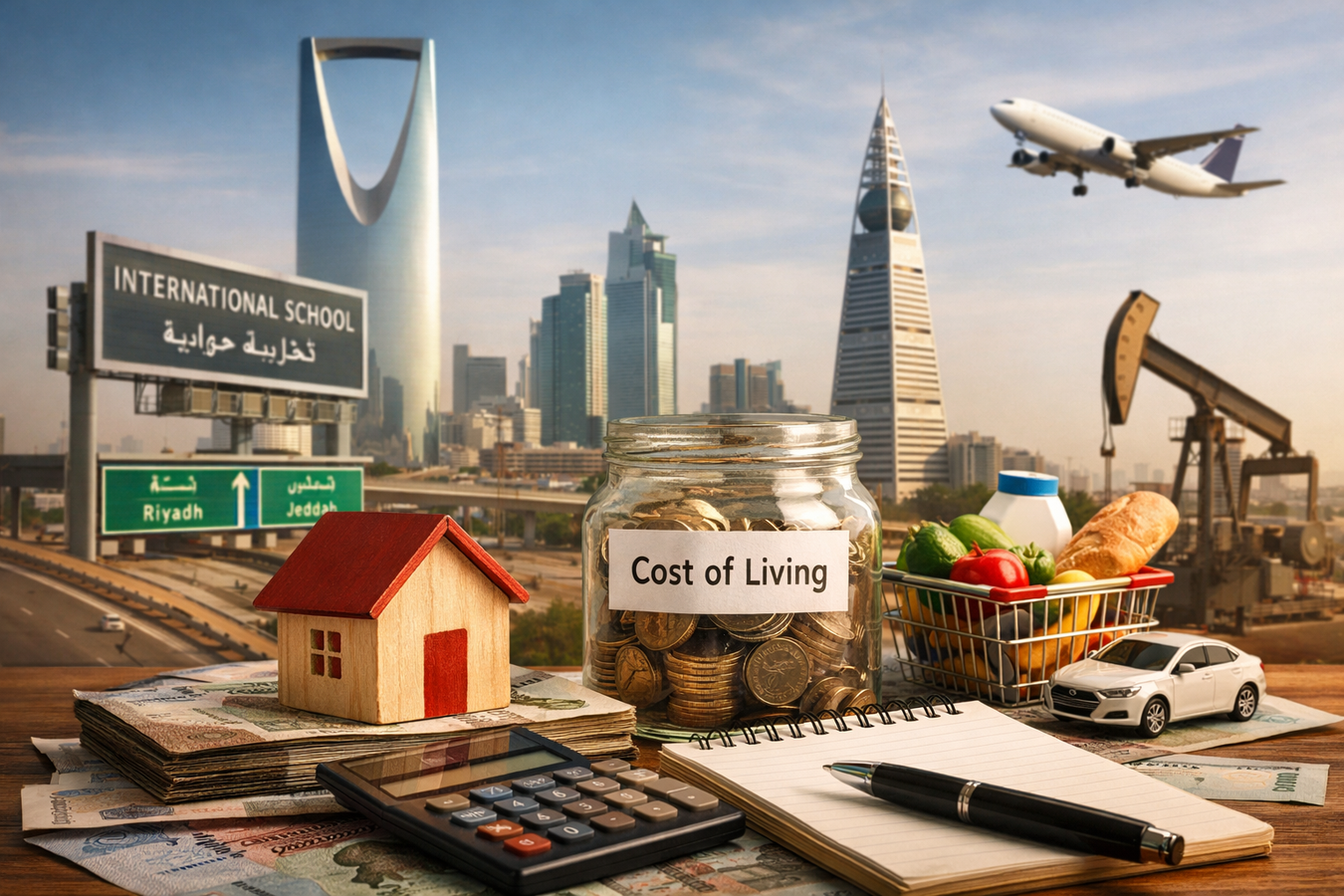
For many expats considering a move to Saudi Arabia, the cost of living is one of the first practical questions. The answer, like much in the Kingdom, depends less on national averages than on where and how one chooses to live. Compared with other Gulf hubs such as Dubai or Doha, Saudi Arabia remains relatively affordable, particularly for families and those willing to live beyond the most in-demand districts.
Is housing expensive for expats in Saudi Arabia?
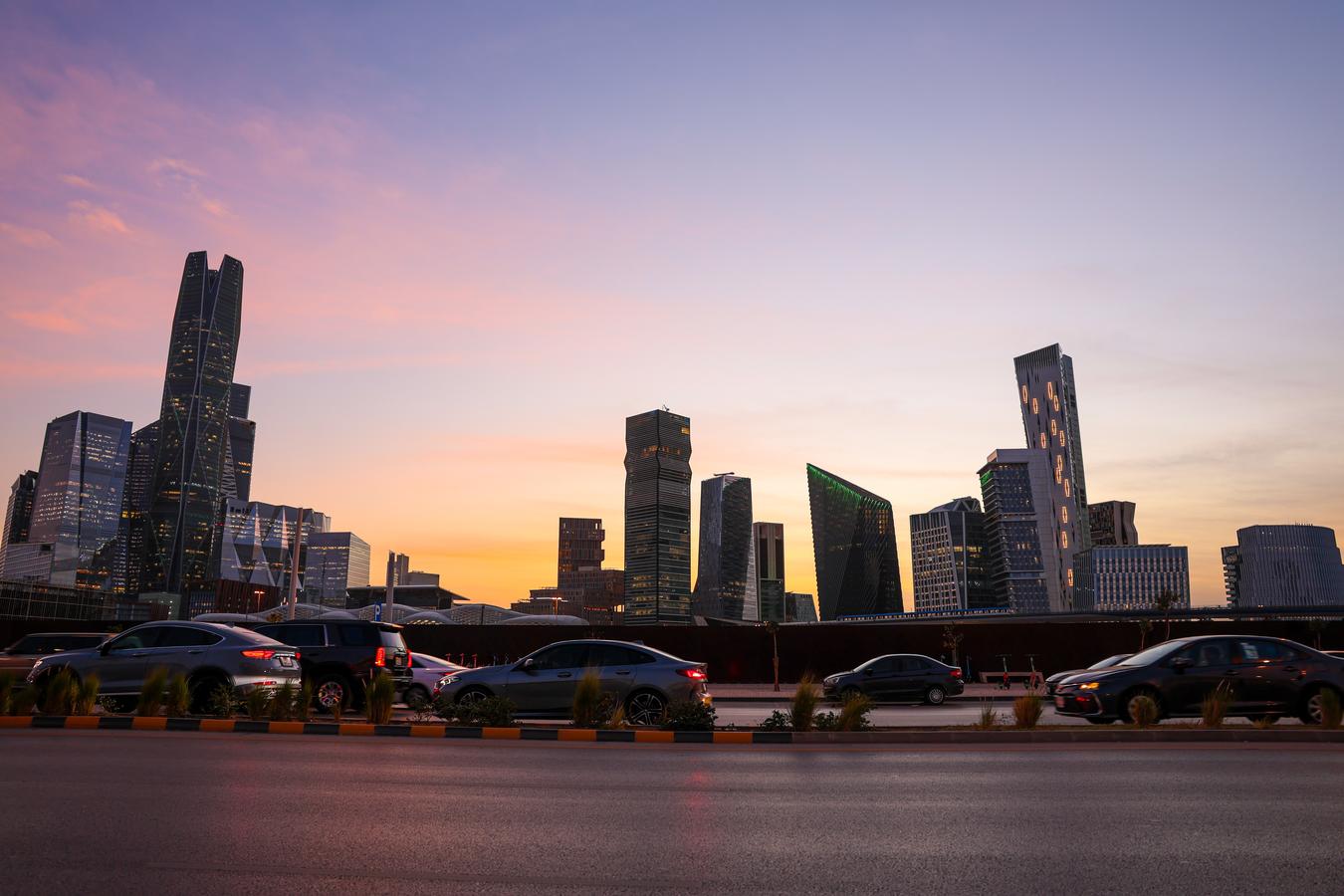
Housing is the single largest expense and the area where differences are most pronounced. Rents vary sharply between cities. Riyadh, now firmly established as the country’s political and business centre, has seen rising demand and higher prices in central and well-connected neighbourhoods. Gated compounds offering Western-style amenities continue to command a premium, but they are no longer the default choice. Increasingly, expats opt for modern apartment buildings outside the compound model, prioritising space, location, and cost efficiency. Jeddah generally offers more variety at mid-range prices, while cities such as Dammam, Khobar, or Medina remain significantly more affordable.
What about daily expenses such as food, transport, and schooling?
Everyday costs are broadly manageable. Groceries are reasonably priced, especially local produce and staples, while imported or specialised items cost more but remain accessible. Eating out ranges from inexpensive neighbourhood restaurants to high-end dining, reflecting the growing diversity of urban life. Fuel prices remain low by international standards, though subsidy reforms have made utilities and transport more visible on household budgets than in the past. For families, international school fees are often the most substantial non-housing expense, in some cases rivaling rent.
Are salaries aligned with living costs for expats?
In most professional sectors, salaries comfortably cover living expenses. Energy, construction, finance, healthcare, and education continue to offer competitive compensation. That said, benefit packages are leaner than they were in the early 2000s, with fewer across-the-board housing or schooling allowances. Today’s expats are more likely to balance affordability with lifestyle choices, and many find that Saudi Arabia still offers solid savings potential, particularly in smaller cities where costs remain lower and daily life is less pressured.
It is also important to note that regulations affecting expatriates, including fees, residency rules, and employment conditions, are updated regularly. Living costs and benefits can shift accordingly, making it advisable for expats to follow local media and official announcements closely to stay informed.









 Oct 21, 2026

0 Comments
No comments yet. Be the first to comment!