 Oct 29, 2025
 Comments

For decades, Saudi Arabia’s job market depended largely on expatriate workers. Today, that reality is changing through Saudization in Saudi Arabia—a government policy that aims to increase Saudi employment in the private sector. While often seen as an economic reform, Saudization also marks a major cultural shift in how Saudis view work, ambition, and contribution to the Saudi economy.
What is the Saudization policy? Officially known as the Nitaqat program, the Saudization policy requires companies to hire a specific percentage of Saudi nationals depending on their size and industry. The goal is to replace some foreign labor with Saudi talent, reduce unemployment, and build a sustainable Saudi workforce equipped with modern skills. Over the years, the government has strengthened this policy with new incentives and penalties to ensure compliance, linking it closely to long-term economic diversification plans.
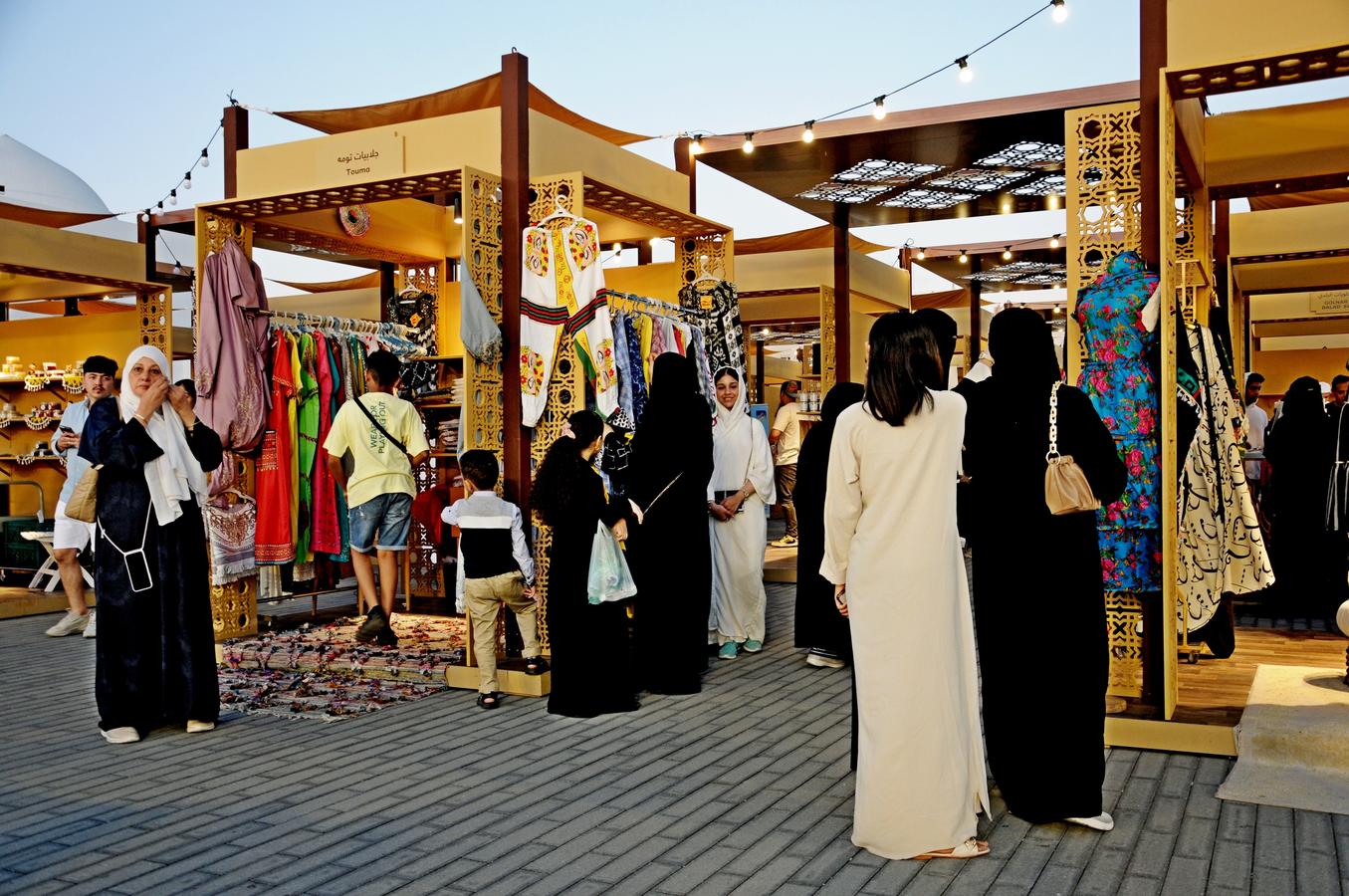
Is Saudization really working in Saudi Arabia? The effects are visible, though gradual. Fifteen years ago, one would rarely find a Saudi working as a cashier, salesperson, or waiter. Today, these jobs are increasingly common. Many Saudis entered such roles out of necessity—learning by doing—and in the process, challenging old perceptions of what kinds of work were “appropriate.” It is not just about filling jobs but redefining dignity in labor. As unemployment pressures grew, Saudis became more engaged across all levels of the economy, from entry-level retail jobs to specialized technical fields.
Which sectors are most affected by Saudization? Retail, hospitality, and telecommunications have seen the highest rates of localization, while emerging industries such as tourism, entertainment, and renewable energy are expanding under policies that prioritize Saudi participation. The Saudi government continues to support these transitions through training programs and incentives for companies employing nationals.
Saudization in Saudi Arabia is more than a labor reform—it’s reshaping society. It has made Saudis more visible across their own economy, encouraged skill-building, and fostered pride in contribution. With time, what began as an employment policy is evolving into a redefinition of national identity through work.










 Oct 21, 2026


0 Comments
No comments yet. Be the first to comment!