 Nov 12, 2025
 Comments
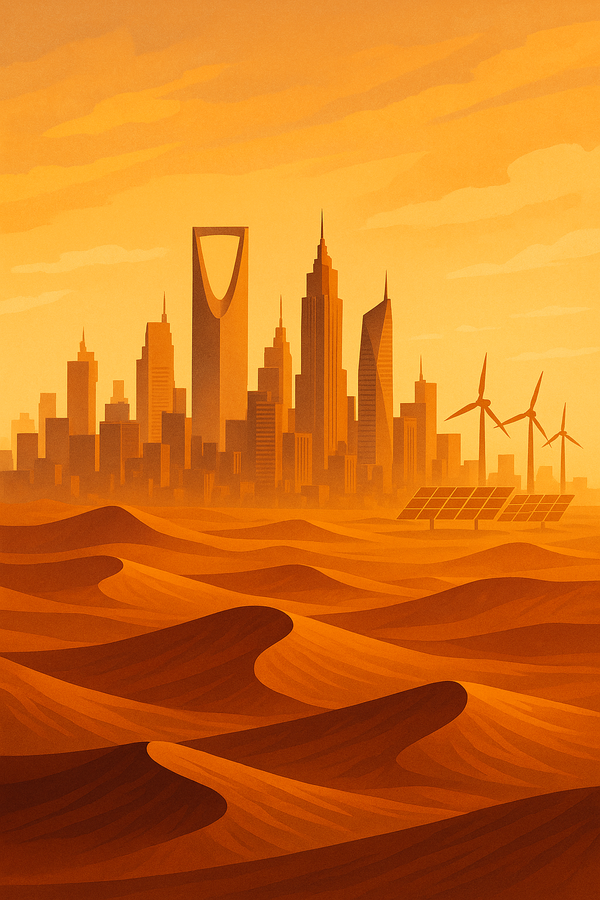
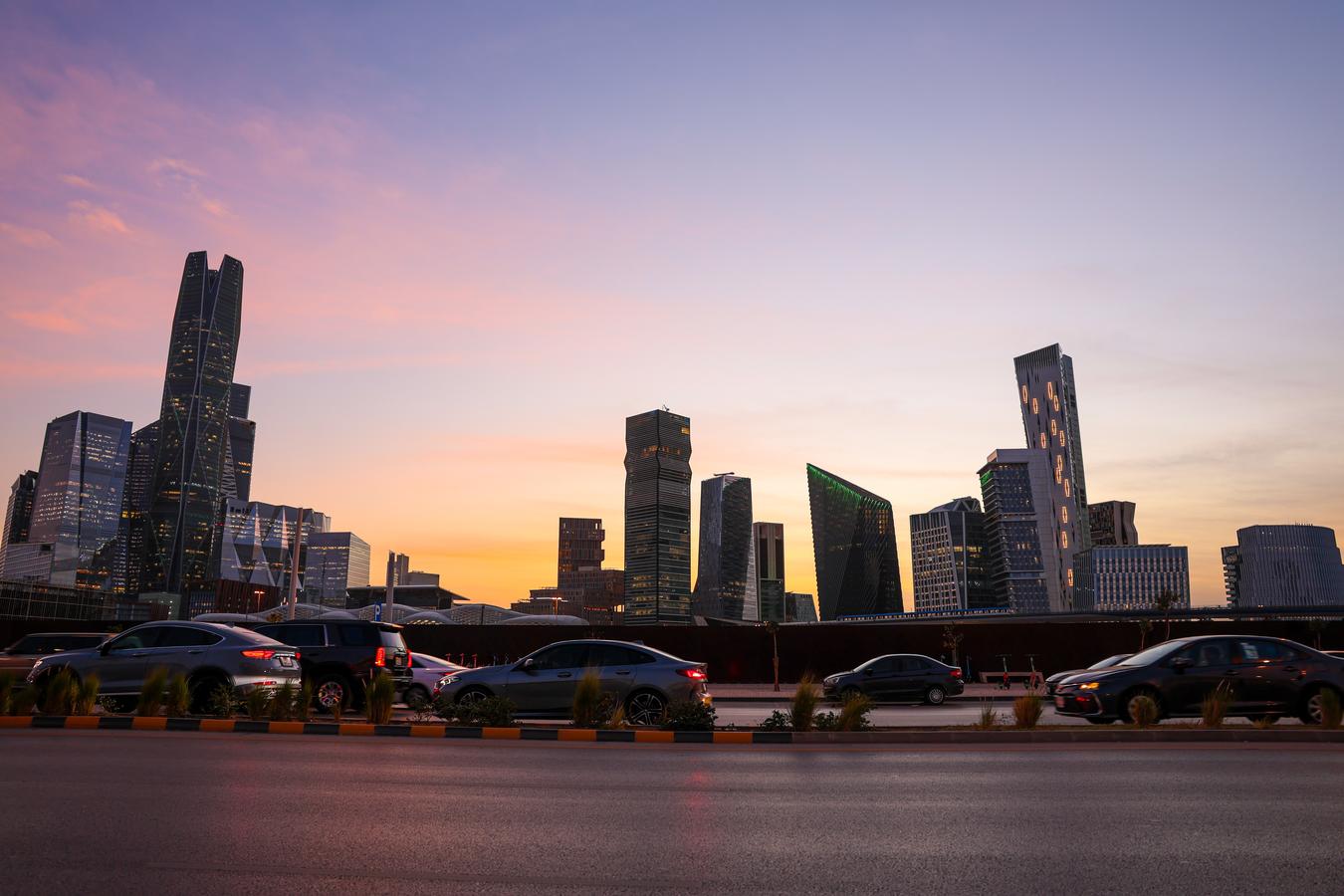
For decades, oil shaped the structure of Saudi Arabia’s economy. It built cities, funded education, and sustained the state’s development for generations. Oil still accounts for more than 70% of exports and remains a major source of government revenue, yet the country is no longer defined by it alone. Across Saudi Arabia, there is a visible shift toward diversification — in policies, investment strategies, and the ambitions of a younger, more dynamic workforce.
Is oil still the main source of income?
Yes, but with less dominance than before. Crude oil continues to underpin state finances and support economic stability, yet expanding non-oil sectors has become a national priority. The focus today lies in creating sustainable industries that can absorb a growing population and reduce dependency on global oil cycles. This evolution is not only economic but social, as new industries reshape perceptions of work, ambition, and innovation within Saudi society.
What new sectors are reshaping the economy?
Tourism stands out as one of the fastest-growing industries. Projects such as AlUla, NEOM, and The Red Sea are attracting both global visitors and local entrepreneurs, supported by relaxed visa policies and heavy investment in infrastructure. At the same time, fields like renewable energy, mining, logistics, and manufacturing are gaining momentum. The country’s growing interest in artificial intelligence, digital entertainment, and green hydrogen reflects a broader commitment to technology and sustainability. Driving much of this transformation is the Public Investment Fund (PIF), whose expanding portfolio — from sports and cinema to electric vehicles — reflects a strategic shift toward long-term diversification.
Oil prices still influence the Saudi economy, but their hold is gradually weakening. The direction of change is clear: a more diversified, knowledge-driven economy is emerging, one built on innovation and opportunity rather than a single resource. Whether this transformation achieves its full promise will depend on consistent execution and how effectively new sectors translate into meaningful progress for the population.








 Oct 21, 2026
0 Comments
No comments yet. Be the first to comment!