 Jan 22, 2026
 Comments
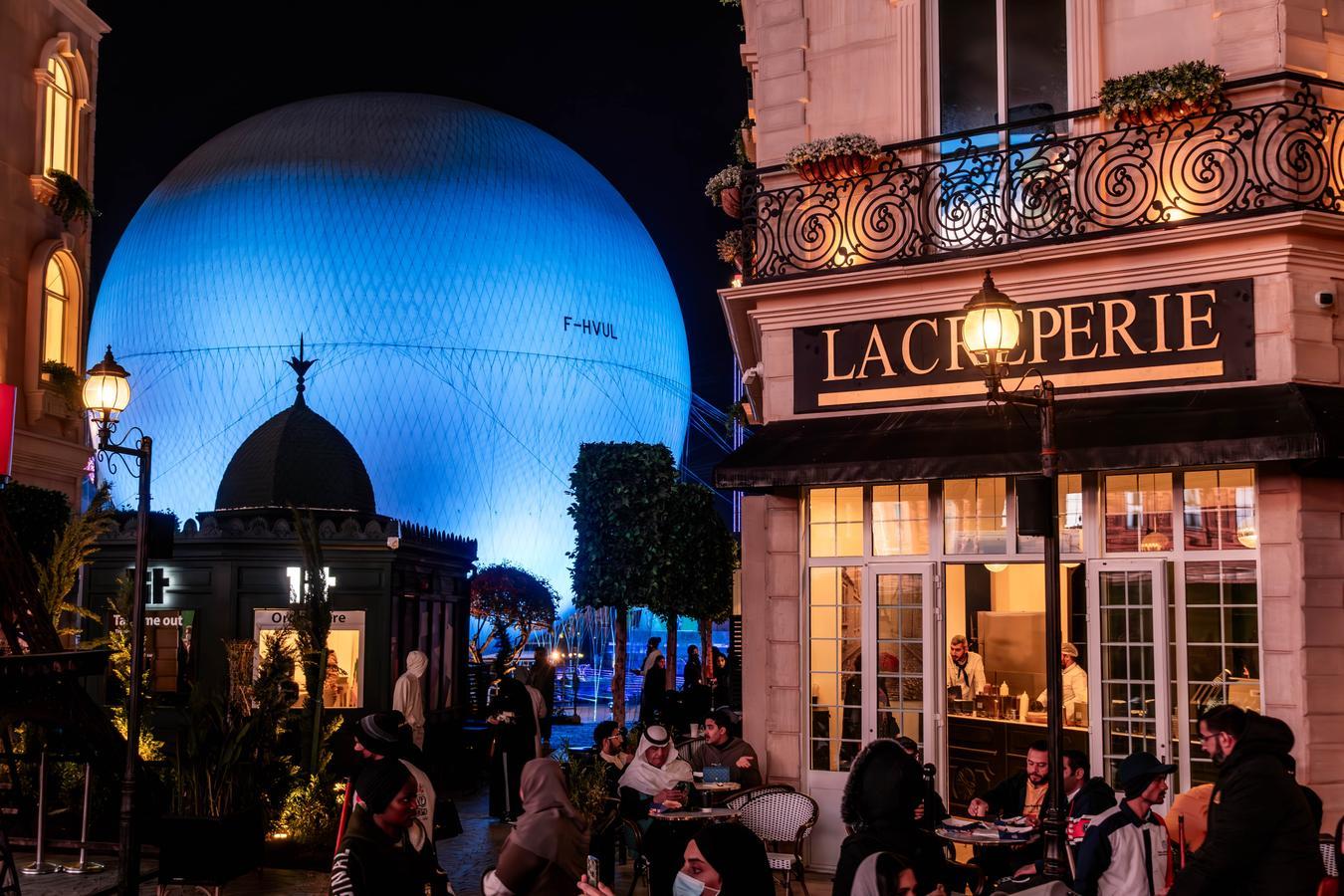
Visitors to Saudi Arabia often wonder how daily life works once they move beyond hotels and private compounds. Public space in the Kingdom operates according to clear, formal guidelines introduced under the Public Decency Law in 2019. For tourists, these rules are less about restriction and more about understanding how shared spaces function in a society that values order, privacy, and mutual respect.
At its core, the law defines acceptable conduct in places visible to the public. What does the Public Decency Law actually regulate? It addresses everyday behavior: how people dress, how they interact, and how they move through communal environments such as malls, streets, cafés, beaches, and entertainment venues. The list of violations is practical rather than ideological, covering issues like immodest clothing, public displays of affection, littering, queue-jumping, disruptive noise, and photographing individuals without consent. These boundaries aim to reduce friction in crowded spaces, not to police private belief or intention.
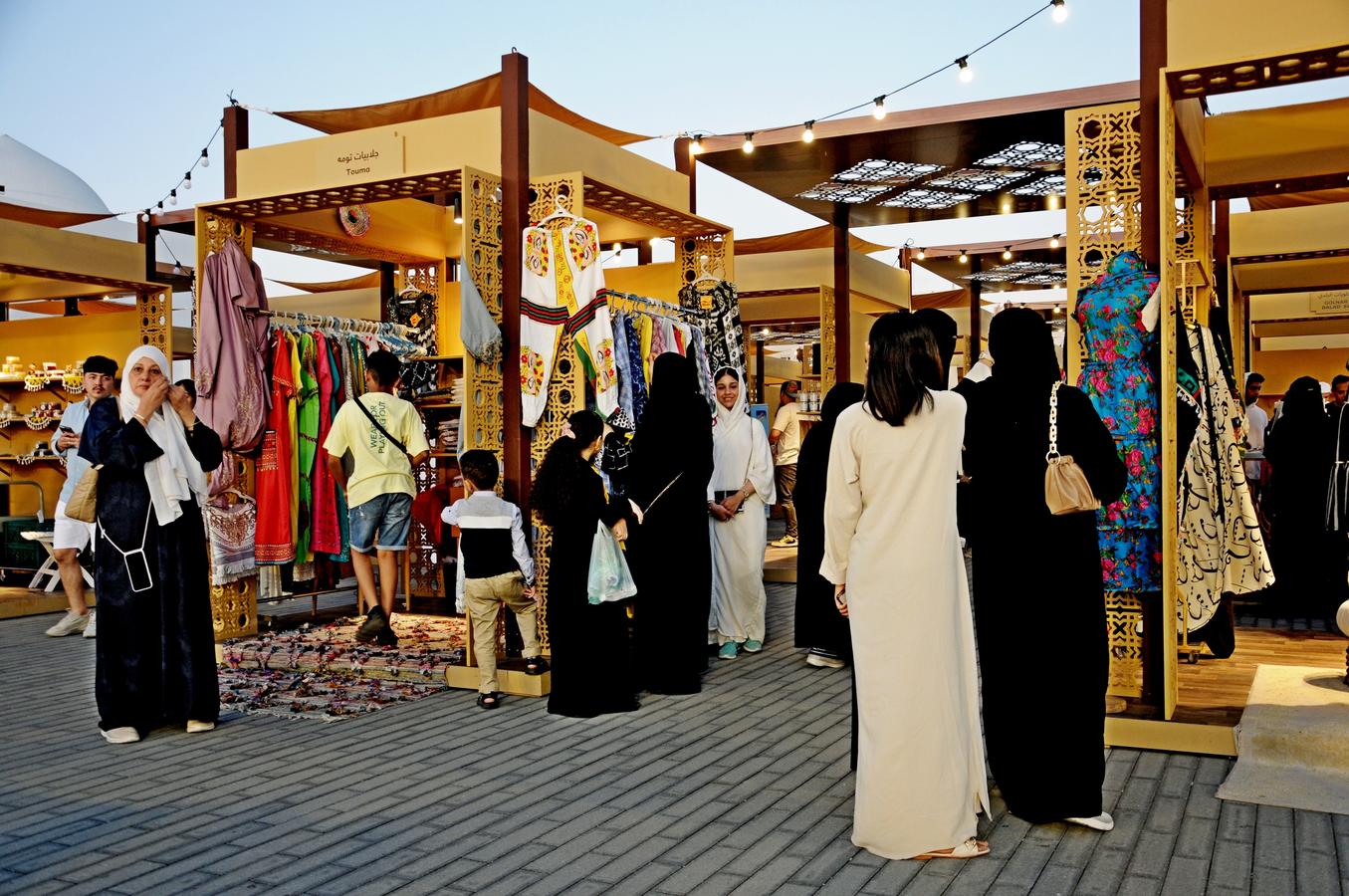
For many visitors, dress is the most immediate concern. What counts as “immodest” in practice? The expectation is modesty, not uniformity. Clothing should be loose and opaque, generally covering shoulders, elbows, and knees for both men and women. Sleepwear, overly revealing outfits, or clothing with provocative slogans can attract attention if worn in public. Even garments that feel culturally acceptable in private settings, including traditional clothing worn late at night, may become an issue once they cross into public view.
Rules are enforced with a degree of proportionality. What happens if a rule is broken? Most violations result in fines that range from relatively small amounts to several thousand riyals, depending on the offense and whether it is repeated. Enforcement is carried out by regular police rather than religious patrols, and officers typically prioritize correcting behavior over escalation. Repeat offenses, however, can lead to higher penalties.
Photography deserves particular care. Taking pictures of people without permission, especially women, families, police, or government facilities, is prohibited. Sharing such images online can quickly turn a minor lapse into a serious legal issue under cybercrime regulations.
Saudi Arabia is increasingly open and accustomed to visitors, but public space remains structured. For most tourists, awareness, discretion, and respect for local norms are enough to move comfortably through the country and enjoy what it has to offer without incident.







 Oct 21, 2026
0 Comments
No comments yet. Be the first to comment!