 Nov 6, 2025
 Comments
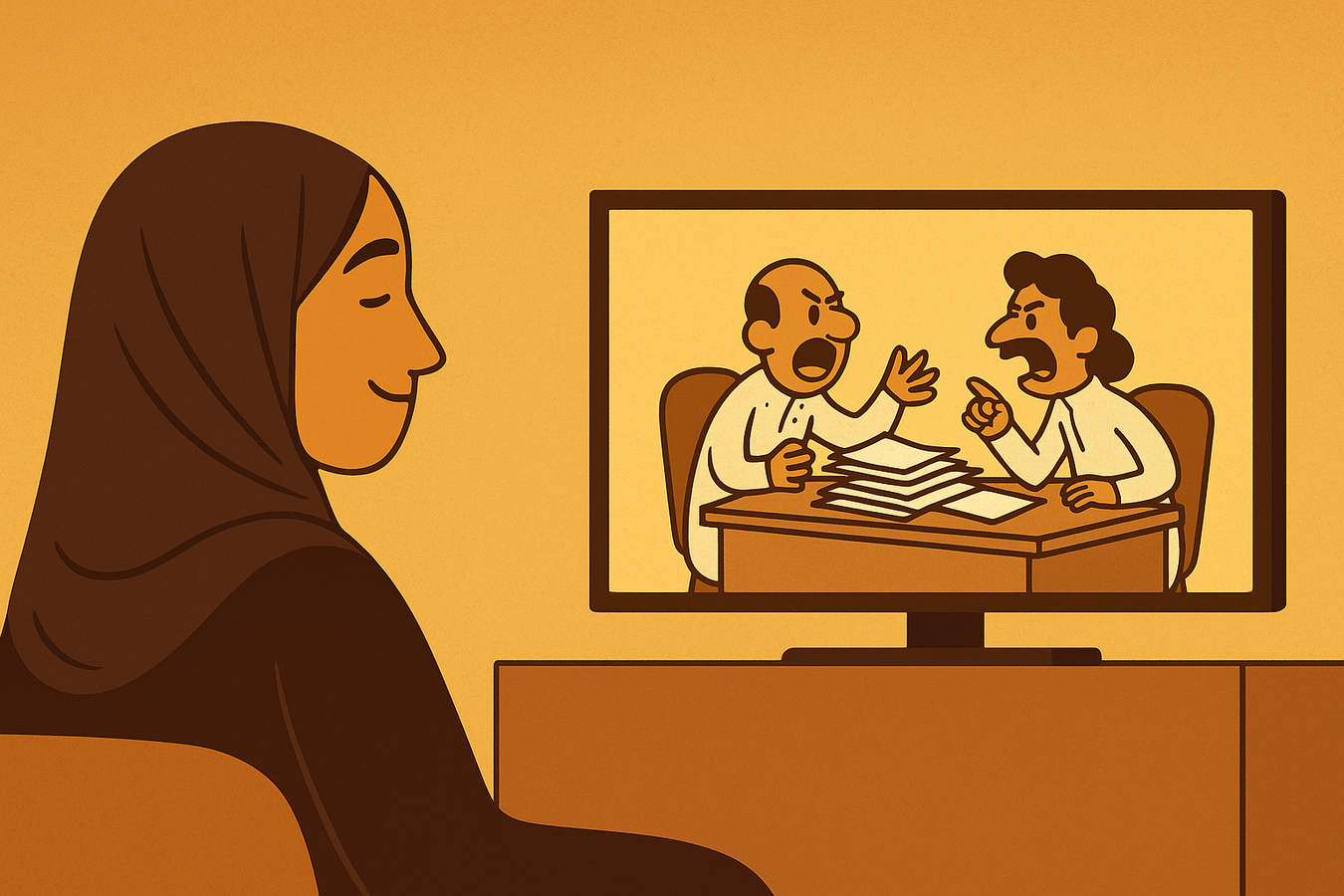
On a quiet evening in Jeddah, Khalid scrolls through TikTok. His feed serves up a familiar scene: two animated characters from Masameer are locked in a shouting match over a pile of paperwork. Khalid chuckles, tags his cousin, and writes: “Exactly the Ministry office last week.” Within minutes, the clip has thousands of likes.
What began more than a decade ago as an irreverent YouTube series has grown into Saudi Arabia’s most emblematic cultural product. Masameer is no longer just cartoons; it is a national mirror, holding up society’s quirks through a lens of sharp satire. From bureaucracy and tribal squabbles to office gossip and generational misunderstandings, no part of everyday life is spared.
The appeal lies in its recognisability. “Masameer is our mirror, but with sarcasm,” explains Khalid, a 27-year-old business student. “It makes you laugh, then you think: actually, that’s my uncle, or that’s me.” On X, one post sums it up more bluntly: “Wallah this Masameer episode IS my office.”
The humour works because it exaggerates traits Saudis already know too well. For decades, Saudi television leaned heavily on imported Egyptian comedies or Turkish melodramas. While entertaining, they never quite captured the local spirit. That has changed. The rise of Masameer, alongside Ramadan dramas such as Tash Ma Tash’s successors and Netflix-backed Saudi productions like AlKhallat+, has given Saudis the chance to see themselves as they are — awkward, contradictory, sometimes absurd. As another user put it: “If u don’t get Masameer jokes, u don’t get Saudis tbh.”
Older viewers notice the contrast. “We grew up watching Egyptian actors pretend to be us, but they never got it right,” recalls Abdullah, a 55-year-old accountant in Riyadh. “Now my children are watching Saudis mock themselves — and it feels more honest.” A generational handover: from imported imitation to self-portrait.
This shift signals something deeper. In a society where direct criticism can be difficult, humour has become a kind of negotiation. To laugh collectively at inefficiency or social rigidity is to acknowledge it without confrontation. A Riyadh office worker notes: “When my boss laughs at Masameer’s ‘lazy manager’ character, it’s like permission. We all know the problem exists, but laughter makes it easier.” On social media, the reaction is sharper: “Every time they drag the lazy manager, I feel attacked.”
Meanwhile, the Saudi entertainment industry is catching up with its audience. Local animation studios and comedy writers are no longer fringe hobbyists but mainstream producers. Netflix partnerships, the Red Sea Film Festival’s spotlight on local talent, and state investment in creative industries are amplifying what once lived only on YouTube. Saudis want their own narratives, told in their own accents, with their own sense of irony.
The show’s success reflects a broader hunger for cultural products that are both authentic and self-critical. Masameer is less about rebellion than reconciliation — reconciling modernisation with tradition, public virtue with private reality. As one viewer put it online: “If you can laugh about it, you can live with it.”







 Oct 21, 2026
0 Comments
No comments yet. Be the first to comment!