 May 4, 2023
 Comments
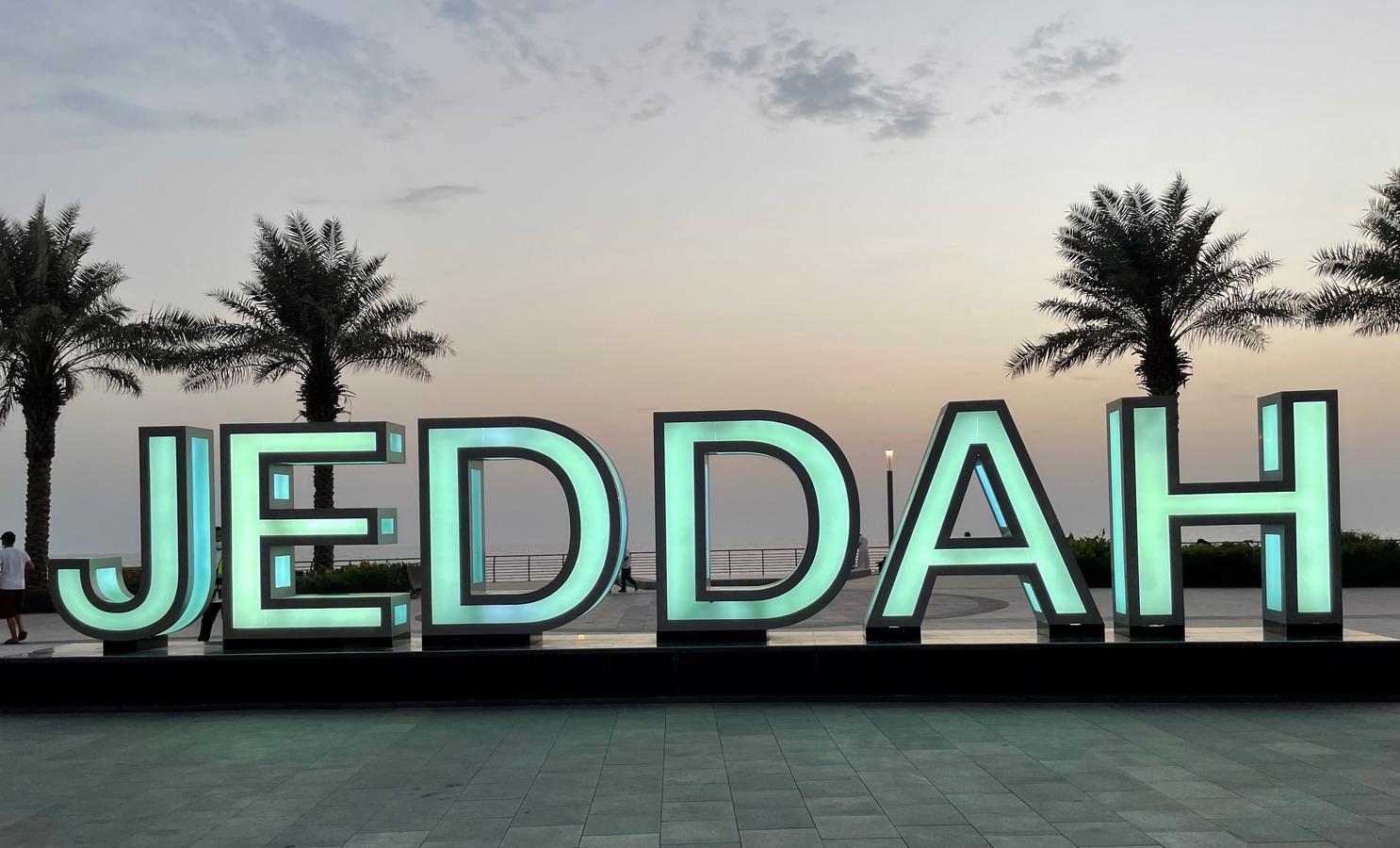
Jeddah, shaped by centuries of trade and migration, is redefining its role as Saudi Arabia’s cultural and economic gateway. Situated on the Red Sea, the city embodies a unique blend of tradition, tolerance, and transformation, aligning seamlessly with the goals of Vision 2030.
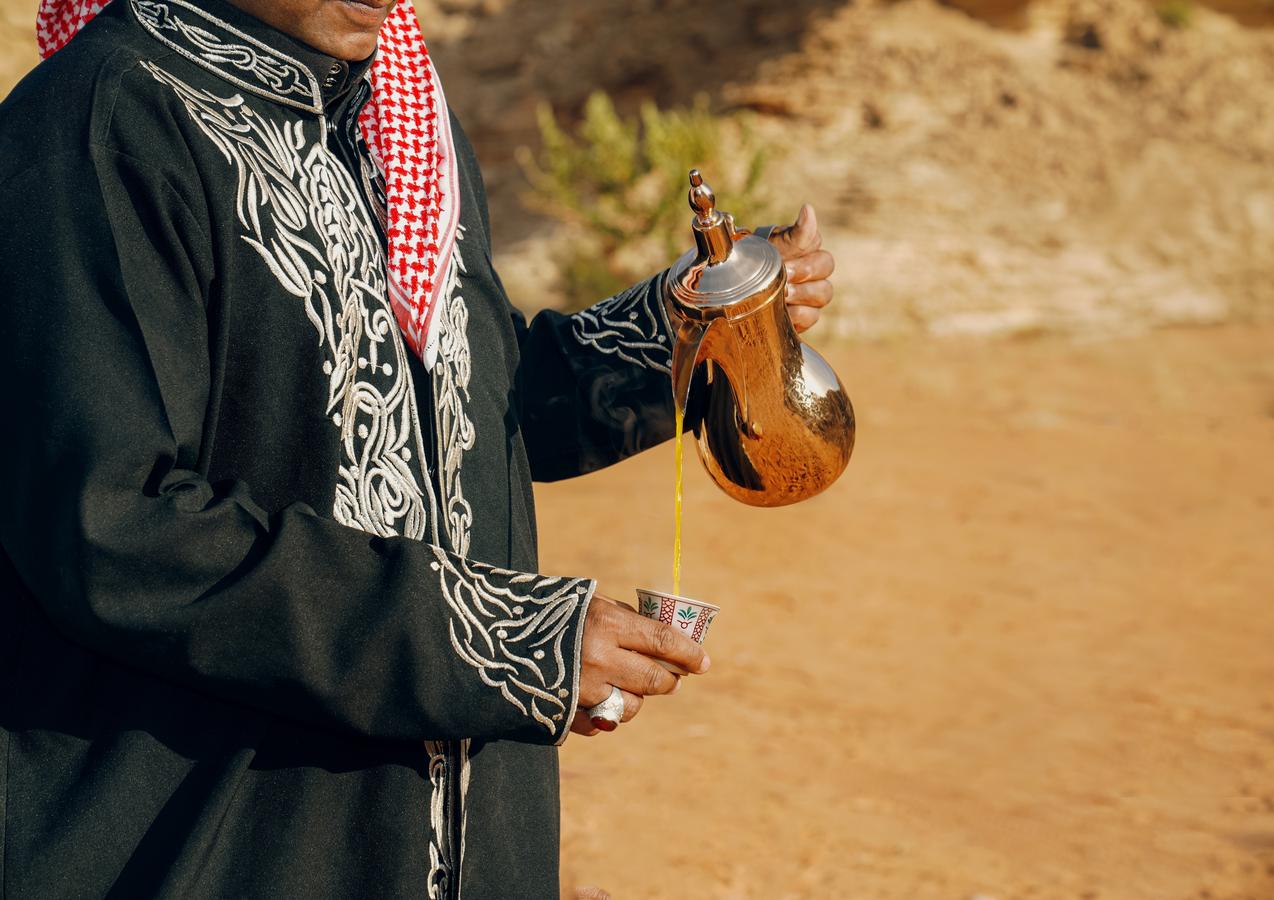
Jeddah’s strategic location on the Red Sea has influenced its identity for centuries. Historically the primary port for Muslim pilgrims traveling to Mecca and Medina, Jeddah evolved into a hub for people, goods, and ideas. Today, the city processes over 4 million containers annually, underscoring its importance to Saudi Arabia’s non-oil trade. This openness is mirrored in Jeddah’s diverse population. Unlike Saudi Arabia’s more insular inland cities, Jeddah boasts a cosmopolitan character shaped by centuries of migration and trade. Jeddawis are celebrated for their hospitality, love of the arts, and relaxed demeanor, traits that set the city apart.
The story of Jeddah began as a fishing village in the 6th century CE before rising to prominence under the Islamic Caliphate in 647 CE. By the 13th century, its role as a port for Egyptian trade routes solidified its significance. During the Ottoman era, Jeddah became a critical stop for pilgrims embarking on the Hajj, cementing its reputation as a gateway to the Islamic world. Modernization began in the early 20th century under King Abdulaziz setting the stage for Jeddah’s transformation into the vibrant metropolis it is today. The historic district of Al-Balad, with its coral-stone buildings and wooden balconies, reflects this layered history. Al-Balad’s cultural events bridge the past and future, highlighting Jeddah’s enduring importance.
Jeddah’s artistic vibrancy and cultural diversity place it at the forefront of Saudi Arabia’s cultural renaissance. Events like the Red Sea International Film Festival, contemporary art biennales, and global exhibitions underscore the city’s growing role in the Kingdom’s efforts to diversify its economy. In 2021, Saudi Arabia’s cultural and entertainment sectors contributed SAR89 billion ($23.7 billion) to the economy. Public spaces like the Corniche, adorned with sculptures by renowned artists such as Henry Moore, further emphasize Jeddah’s commitment to integrating art into daily life. Jeddah’s transformation retains a sense of rootedness, contrasting with cities like Dubai, whose development is more top-down. By blending history with modernity, Jeddah positions itself as a global cultural and economic hub.
The phrase “جدة غير” (Jeddah ghayr), or “Jeddah is different,” captures the city’s distinctive spirit. Known for its slower pace and laid-back atmosphere, Jeddah offers a sensory experience unique to its coastal setting. “The smell of the Red Sea is unique,” says a long-time Jeddawi. “Walking along the Corniche, you know you’re in Jeddah.” These intangible qualities contribute to the city’s identity, making it beloved by residents and visitors alike.
Jeddah’s rapid growth brings challenges typical of developing cities, including bureaucratic inefficiencies and infrastructure gaps. Significant investments in transport and logistics aim to address these bottlenecks, enhancing Jeddah’s connectivity as a global trade hub. Vision 2030's focus on tourism and culture positions Jeddah as a model for balancing heritage with innovation. From hosting Sudanese refugees to welcoming global artists, Jeddah reaffirms its role as Saudi Arabia’s most internationally connected city.






 Oct 26, 2026
0 Comments
No comments yet. Be the first to comment!