 Jul 15, 2025
 Comments
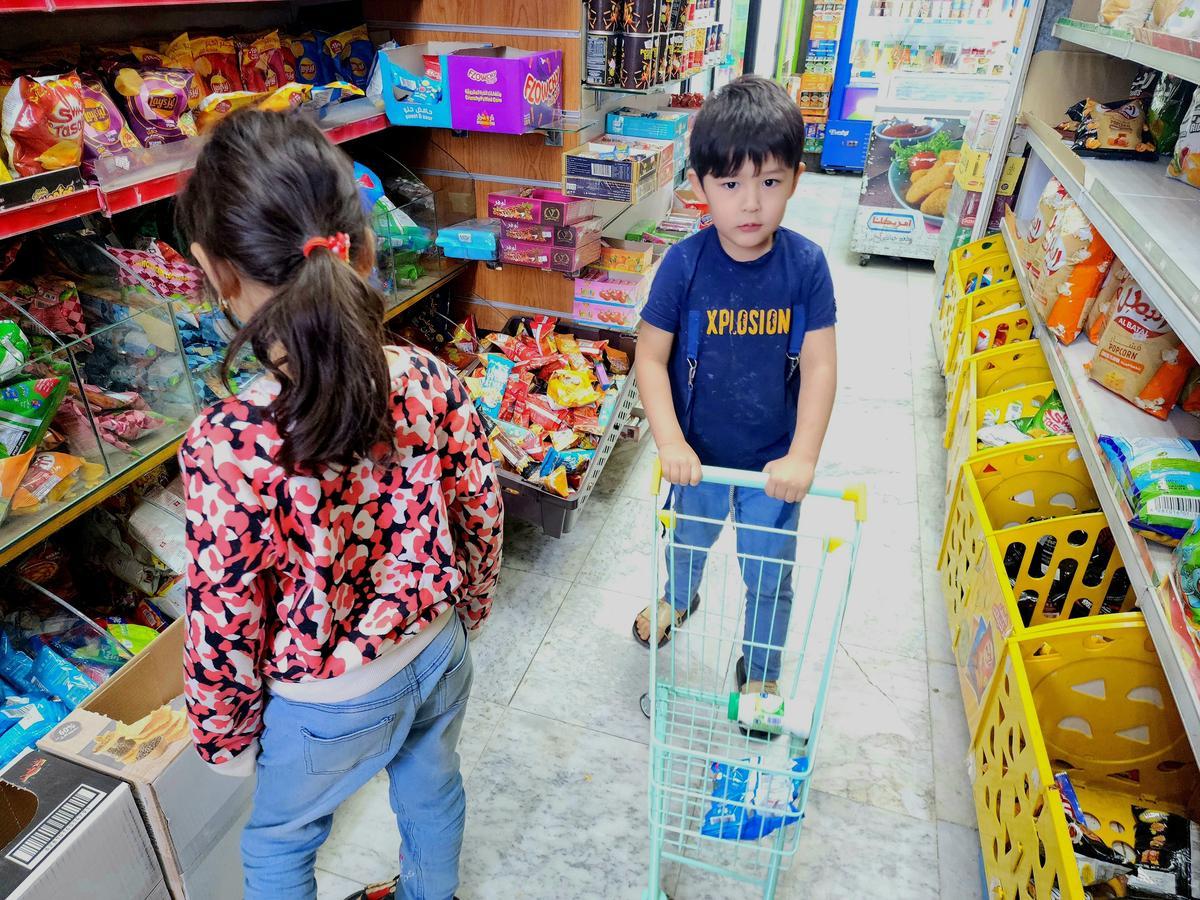
They had no marketing strategy, no brand identity, and often no name. It was the boggle at the end of the road, or the baqala that had the blue ice cream, or even the baqala in which Muhammed worked. Yet for decades, the humble baqala—the corner shop of Saudi Arabia—was a central fixture in daily life.
After all, it was the easiest way of getting daily household items in the quickest possible way. Open long hours, and stocked with essentials piled on top of each other in narrow places and staffed by familiar faces (Saudis made it easy on themselves and called every man working there Mohammed—I never understood why), these small grocery stores offered not just convenience but continuity.
Every neighborhood had one. Every child knew where the nearest one was.
Run mostly by long-term migrant workers, baqalas operated on a system of trust. Families bought on credit. Children ran errands with pocket change, looking for sweets or little toys. Transactions were handwritten, and customer loyalty came not through apps but through recognition and multiple visits. In older districts, the baqala doubled as a lifeline and a local institution.
In Germany they have the kiosk; in Athens, there are little places selling drinks, sweets, and newspapers. But they’re not quite the same culturally as the baqala. Maybe the most obvious correlation is the corner shop or village post offices in the United Kingdom, seen as centrepieces to an entire community. But even they are dying out, replaced by online shopping and big supermarkets.
And it has to be said: the baqala is suffering a similar existential threat. In June 2025, the Ministry of Municipalities and Housing issued new regulations that ban baqalas from selling cigarettes, shisha, electronic tobacco, dates, fruits, vegetables, and meat. These items may now only be sold in licensed supermarkets and hypermarkets. The new rules also introduce minimum floor space requirements, effectively disqualifying many existing shops. A six-month grace period has been granted, but the direction of travel is clear.
The government’s aim is to improve food safety, regulate informal sales, and align the retail sector with broader economic reforms. Few dispute the logic. Yet the change reflects a deeper shift in Saudi society—one that replaces personal interactions with structured systems and informal economies with formal licensing. The baqala, once a symbol of neighborhood life, is being replaced by chains, franchises, and delivery platforms.
Younger Saudis are adapting quickly. Most urban households now rely on apps like HungerStation, Jahez, and Tamimi Online for daily shopping. Mini-markets with branded shelving and cashless payment systems are becoming the new norm. In newly planned neighborhoods, the old baqala has no place. Its cultural weight has been overtaken by logistical efficiency.
This is not just a Saudi phenomenon. Across the Gulf, similar trends are unfolding. In Kuwait, the UAE, and Bahrain, corner shops are being absorbed into regulated retail networks or priced out by rising standards and urban redevelopment. But Saudi Arabia’s case is distinct. The baqala was more deeply woven into the social fabric—less commercial outpost, more community centrepiece.
Yes, in Europe, equivalents still exist. There are still immigrant-run corner shops in London or Berlin which cater to late-night shoppers and busy commuters. But they operate under strict regulations, benefit from walkable infrastructure, and rarely offer the personal familiarity that defined the Saudi baqala. There is little room for informal credit or handwritten ledgers in EU retail law.
The demise of the baqala will not make headlines. There will be no campaign to save it. But something is lost in its quiet disappearance: a type of economic and social exchange that required no apps, no receipts, and no introductions. As Saudi Arabia accelerates towards a more modern and regulated retail sector, the baqala becomes a relic—less efficient, less polished, but unmistakably human.










 Oct 21, 2026

0 Comments
No comments yet. Be the first to comment!