 Aug 13, 2025
 Comments
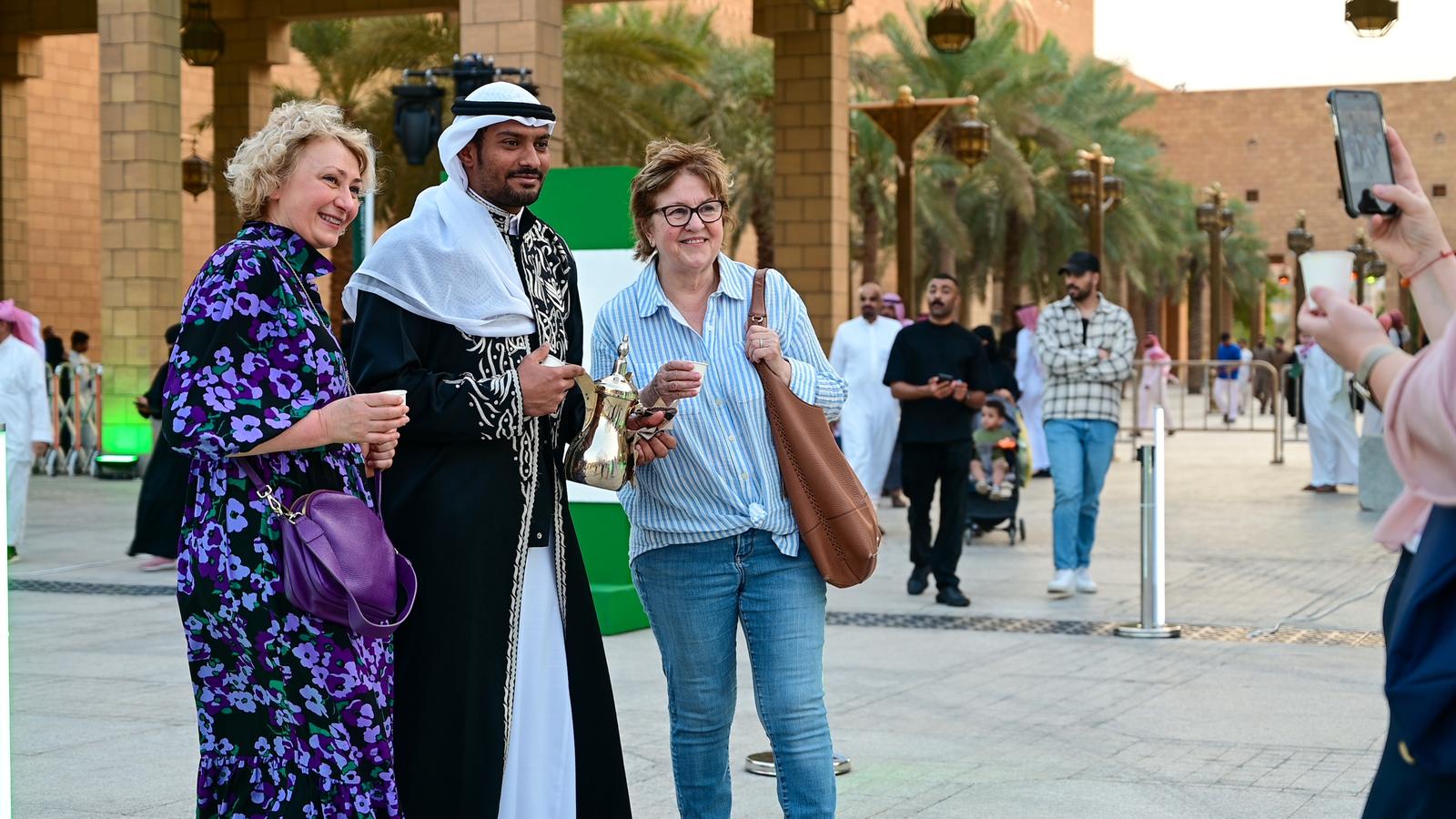
In recent years, dress norms in Saudi Arabia have shifted in ways that would have been hard to imagine a decade ago. Women — Saudi or foreign — are no longer legally obliged to wear the abaya or cover their hair, yet cultural expectations still carry weight. The concept of haya, or modesty, continues to shape public dress, especially in spaces outside cosmopolitan hubs. For most public settings, clothing that covers the arms and legs remains the safest choice. While fitted jeans and short sleeves are not technically prohibited, they may draw attention. Many tourists choose loose trousers and long tops, while others prefer lightweight abayas or open overcoats that combine modesty with ease of movement.
What does modest dress look like for Saudi women?
The abaya, far from disappearing, remains a wardrobe staple for many — now more by preference than requirement. In Jeddah and Riyadh, it has evolved into a fashion statement: flowing styles in soft colours for casual wear, sharply tailored cuts for the office, or designer pieces for evening outings. Headscarves are optional in law, yet remain common in traditional settings or during formal occasions. The Saudi tara, a type of hijab, is often coordinated with the abaya, its drape and style distinct from the sleeker shaila worn in the UAE.
What should tourists keep in mind when choosing what to wear?
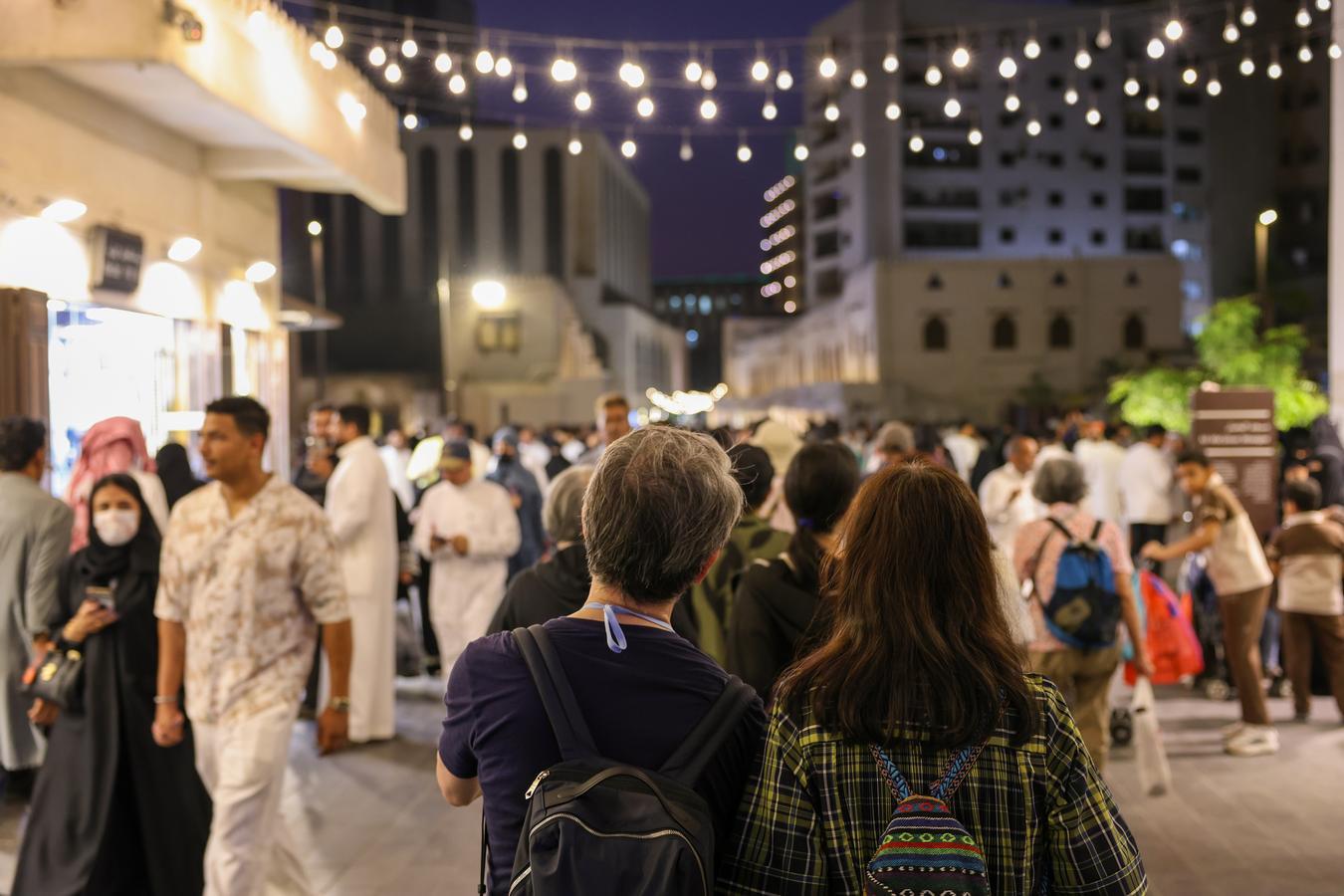
While the atmosphere in malls, airports, and hotels is relaxed, rural towns, traditional markets, and religious sites still favour more conservative attire. Carrying a scarf is practical for unexpected visits to a mosque or encounters with stricter social norms. The rule of thumb is simple: the more conservative the setting, the more coverage is appreciated. Visitors who dress modestly not only blend in more easily but also demonstrate awareness of local values — an unspoken courtesy that tends to be reciprocated.
Saudi Arabia’s evolving dress code reflects the country’s broader balance between modernisation and tradition. The abaya may now be a choice, but modesty — as a social principle rather than a legal obligation — still underpins the way women dress in public. This shift has opened space for personal style, yet the cultural heartbeat of modest fashion remains as strong as ever.











 May 19, 2026

0 Comments
No comments yet. Be the first to comment!