 Oct 26, 2026
 Comments
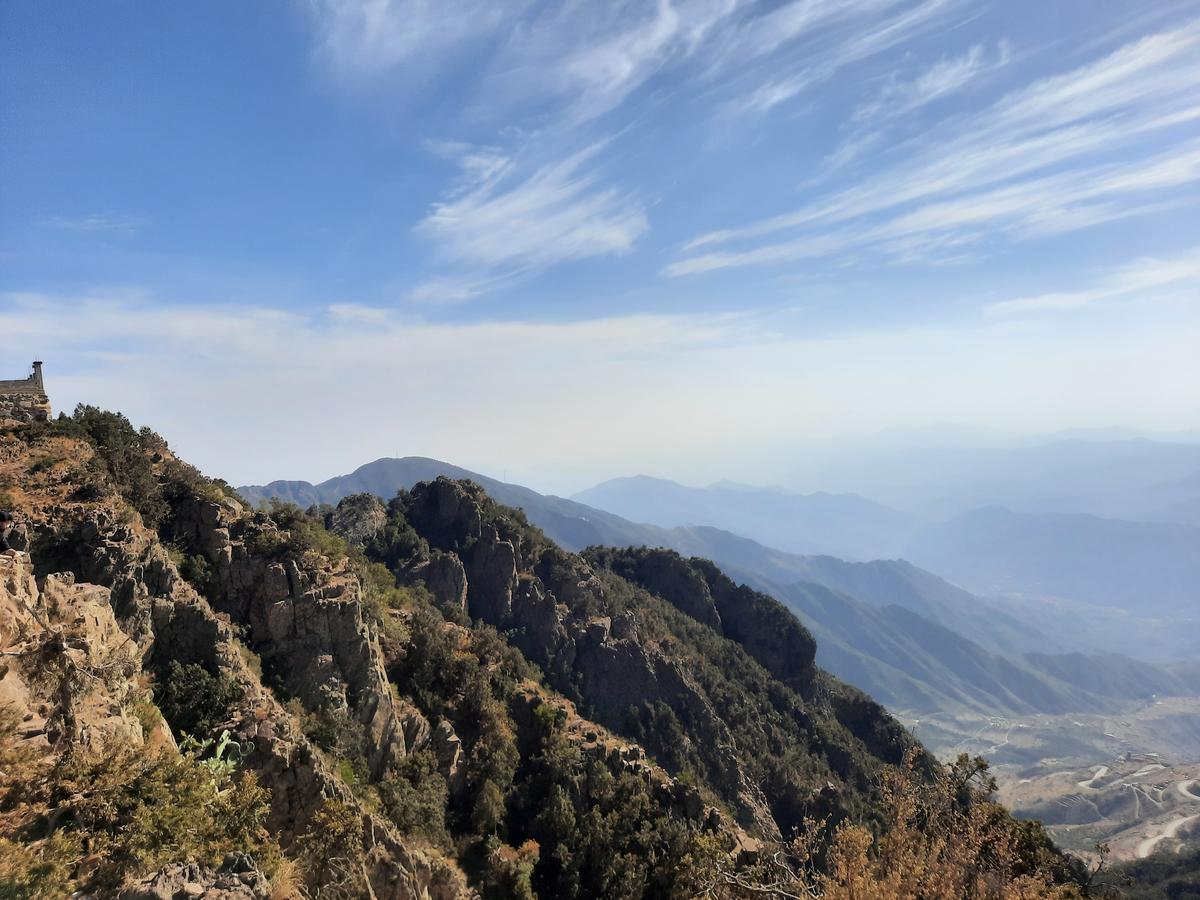
The re-opening of a relatively small park in Abha earlier this month might, elsewhere in the world, be a hyperlocal story, a cause for celebration for the residents of this temperate city in the Asir mountains of South-Western Saudi Arabia. Yet the new Al-Andalus Park, which now includes around 17,400 square metres of green space and a play area for children, actually says much about social changes in Saudi, raising a question that matters well beyond Abha: what makes a public park somewhere families actually want to spend their time?
Abha has long been known for its cooler climate and green mountain scenery, offering a welcome change from the heat in much of Saudi Arabia. Families have been travelling there for generations, particularly during the summer months. Its appeal is not just limited to Saudi visitors - Expedia had already listed Andalus Park among Abha's attractions, introducing it to travellers looking for places to visit in the city and enjoy its natural surroundings.
Of course, public parks and children's playgrounds are nothing new in Saudi Arabia. They have existed in cities across the country for decades, and for many families they were an affordable way to take children out when other leisure options were limited. What has changed is how these spaces look and how people use them.
Today, it is common to see mothers - and fathers - spending time with their children, youngsters playing while parents sit nearby, and groups of friends meeting for a walk.
Better-maintained parks and upgraded playgrounds have made these places more attractive, turning them into social destinations in their own right. Going to the park is no longer simply about finding somewhere to entertain the children. It has become part of how many families spend their free time.
And this is born out by the data. The General Authority for Statistics reported that 65.8% of individuals visited parks or gardens in 2024. A study examining five parks in Jeddah found that people went there to meet relatives and friends, relax, exercise and take their children outdoors.
These are ordinary activities, but unusual for Saudis until a few years ago.
In the past family life was limited to family visits, restaurants and the mall. Sometimes, even in Abha, a city's natural beauty did not necessarily mean that its public spaces were well used by the people who live there. A park may have had a familiar place in local memory, but if it was poorly maintained, families would simply go elsewhere.
But today, with these places part of a Saudi government focus to improve lifestyle in Saudi Arabia, they do tell us something about how public spaces now fit into social and family life.
I saw this in a much more personal way through my sister's experience in Jeddah. When she moved house, having a park nearby was an important consideration. She wanted somewhere to walk and meditate, as well as an outdoor space where her two teenage daughters could spend time. It was not a luxury or an abstract idea about better urban planning. It was simply part of what a healthier life she wanted from the neighbourhood in which her family would live. She said a common expression in Arabic is “I want to smell air” meaning “I want to breathe fresh air.”
This is where the upgrading of Al-Andalus Park becomes interesting. Saudi Arabia has never been without public parks and playgrounds, but they were so poor and sad to look at, let alone visit. Renovation cannot tell us whether the quality of public spaces is improving across the country. But maintaining existing parks is just as important as creating new ones. Families need places that are clean, comfortable and safe, where children can play and adults can spend time outdoors without having to organise a special outing.
Establishing this idea might not just lead to a better, healthier lifestyle for people. It might also tell us much about how Saudi Arabia’s social construct is developing and changing.


 Oct 21, 2026
0 Comments
No comments yet. Be the first to comment!